

 Phoenix 24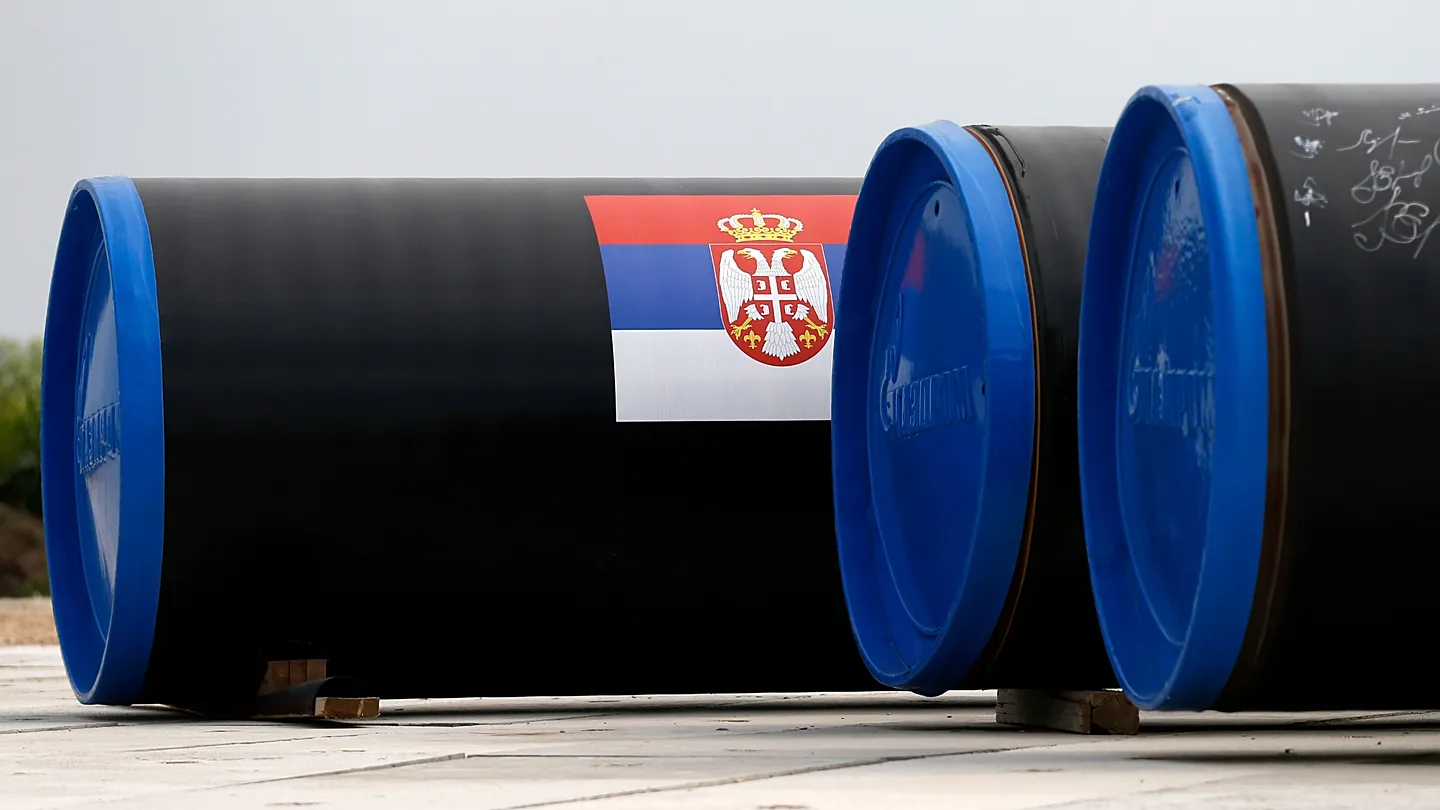
Energy security in the Balkans is now a frontline issue.
Belgrade, April 2026
The discovery of explosives near Serbia’s Balkan Stream pipeline is not just a security incident. It is a reminder that in today’s Europe, pipelines are no longer passive infrastructure. Serbian President Aleksandar Vučić said army and police found explosives near the line in northern Serbia, close to Kanjiza near the Hungarian border, on infrastructure that carries Russian gas onward to Serbia and Hungary. That alone is enough to turn the episode into a geopolitical warning.
What matters most is not only who may have placed the explosives, because that remains unproven, but what this incident reveals about the fragility of the region’s energy architecture. Balkan Stream is an extension of TurkStream, one of the routes that keeps Russian gas flowing into southeastern and central Europe despite years of war, sanctions pressure and strategic realignment. When an artery like that becomes the site of a possible sabotage attempt, the message extends far beyond Serbia itself. The Balkans are once again being reminded that energy dependence and geopolitical vulnerability still travel together.
The timing sharpens the political edge. The discovery immediately resonated in Hungary as well, turning the episode from an isolated infrastructure scare into a volatile political instrument. In this environment, even an unresolved sabotage allegation can be folded into electoral strategy, alliance signaling and the wider contest over who is threatening Europe’s energy stability. That is one reason these incidents are so effective: they generate strategic pressure even before attribution is settled.
There is also a structural contradiction here that Europe has not resolved. For years, Brussels has talked about diversification, resilience and reducing exposure to Russian energy. Yet this incident underscores that parts of southeastern Europe still depend heavily on routes tied to Russian supply. Serbia has tried to widen its options through other suppliers and access points, but it remains deeply exposed to a system whose strategic risk has never really disappeared. That is not strategic independence. It is managed exposure.
That is why this episode should be read less as Balkan drama and more as a case study in the new logic of energy insecurity. Pipelines now sit inside a grey zone where sabotage, intimidation, political messaging and strategic ambiguity overlap. Even without a confirmed perpetrator, the discovery of explosives near a key gas route is enough to trigger military attention, political exploitation and regional anxiety. The target is not only the pipe. It is confidence in the system that depends on it.
The deeper pattern is clear. Europe’s energy map may have changed since the shocks of recent years, but it has not escaped the older truth that infrastructure can still become a theater of coercion. Serbia’s pipeline scare matters because it exposes how easily the Balkans can become the point where energy dependence, domestic politics and geopolitical confrontation collapse into the same narrow corridor. In that kind of landscape, a pipeline is never just a pipeline. It is leverage waiting to be tested.
The visible and the hidden, in context. / The visible and the hidden, in context.