

 Phoenix 24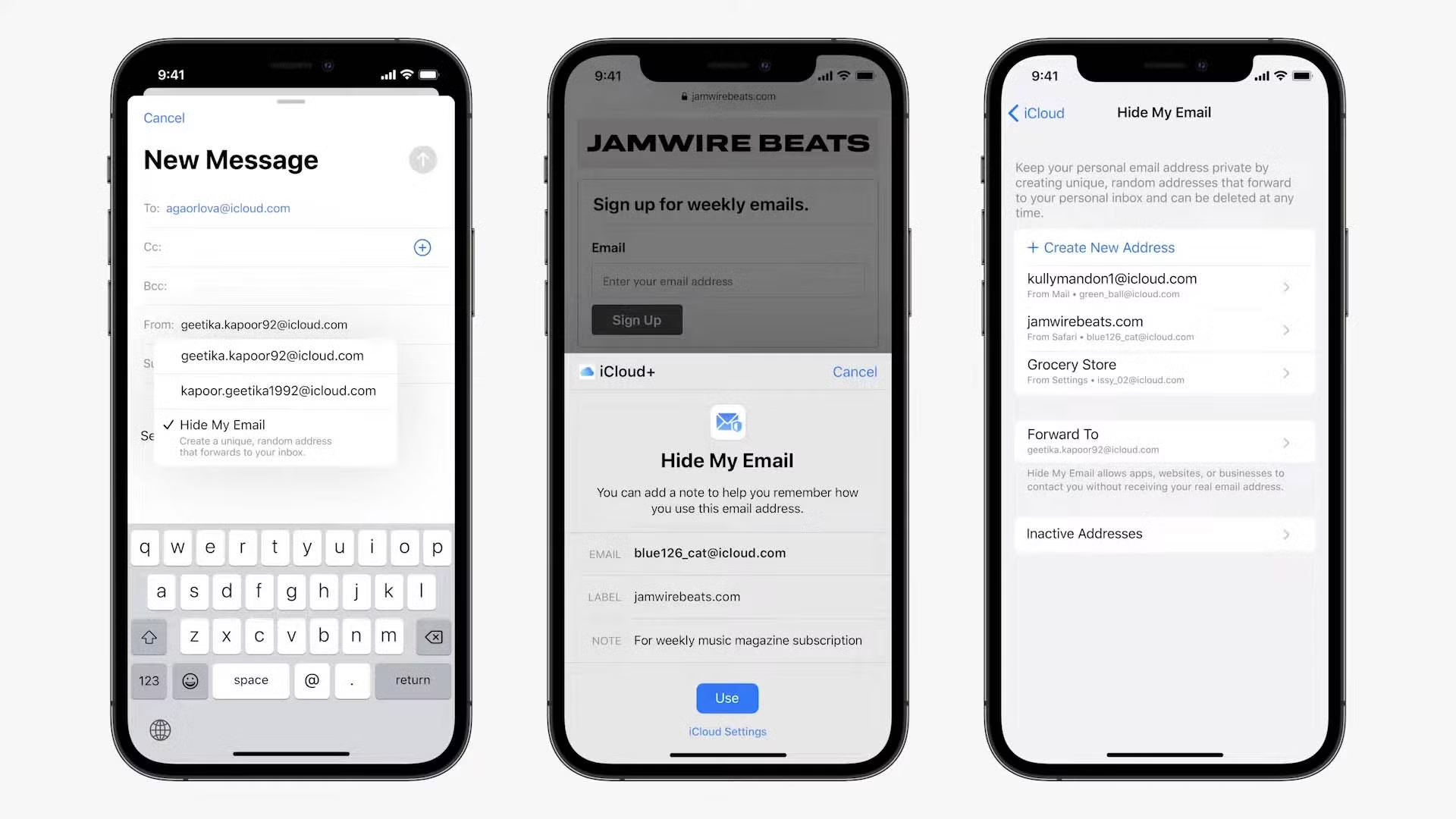
Privacy has limits when the platform knows you.
Cupertino, March 2026
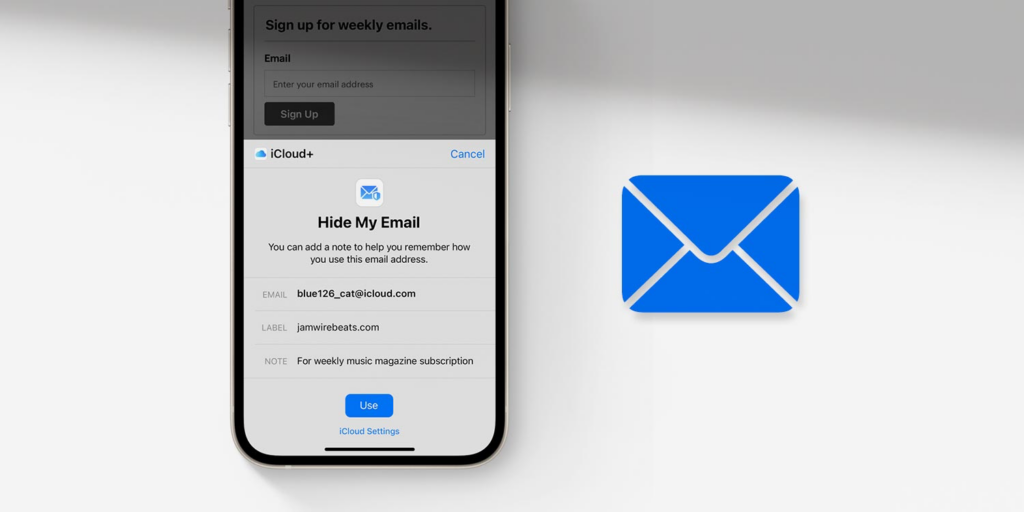
Apple’s “Hide My Email” feature is drawing renewed attention because it highlights a distinction many users prefer to ignore: privacy against apps is not the same as anonymity before authorities. The tool allows people to generate random email aliases that forward messages to their real inbox, reducing exposure to marketers, platforms, and services that would otherwise collect a personal address directly. That makes it useful for limiting spam, profiling, and unnecessary data sharing in everyday digital life. But it does not erase the relationship between that alias and the Apple account behind it.
That difference matters because many privacy tools are interpreted by the public as shields far broader than they were ever designed to be. “Hide My Email” improves user control in commercial and app based environments, yet it operates inside Apple’s own ecosystem and infrastructure. The company can manage the alias because it also knows where the messages are ultimately being routed. In practical terms, the feature obscures identity from third parties, not from the platform that administers the forwarding system itself.
This is where the legal dimension becomes decisive. If a company holds the technical capacity to associate an alias with a real account, then that connection can become available under valid legal process. The issue is not that Apple is secretly breaking its own privacy model. The issue is that many users mistake selective concealment for full invisibility. What the current controversy makes visible is that privacy in consumer technology is often conditional, layered, and narrower than the language around it suggests.
That does not make the feature useless. On the contrary, for ordinary users it can still be highly valuable. It helps reduce the spread of personal contact data across apps, online stores, newsletters, and sign up forms that may later become sources of spam, resale, or tracking. In an economy built on data extraction, that kind of friction matters. A hidden email alias can limit exposure in ways that are both practical and immediate, especially for users who want cleaner digital boundaries without abandoning convenience.
Still, the controversy reveals a broader misunderstanding about how privacy works on major platforms. Many users think in binary terms: either a tool protects them or it does not. The real architecture is more complicated. A feature may protect against advertisers, careless apps, and unwanted profiling while offering no meaningful barrier against the company itself or against government requests backed by law. Once that distinction is understood, the feature looks less like a mask of anonymity and more like a controlled filter inside a system that still retains central visibility.
There is also a cultural lesson here about the way big technology companies market trust. Privacy language often emphasizes user empowerment, control, and reduced exposure, all of which are real to a point. But that language can also encourage people to project stronger protections onto a tool than it actually provides. Apple’s privacy branding has been more forceful than most of its competitors, which makes features like this politically and symbolically powerful. Yet even strong privacy branding does not abolish the legal and infrastructural realities of platform governance.

For users, the most useful response is not panic but precision. “Hide My Email” remains a smart choice for limiting commercial visibility and protecting a primary address from routine digital overexposure. It is not, however, an invisibility cloak, and it was never built to function as one. The better way to understand it is as a tool of selective disclosure, not as a guarantee of total secrecy. That distinction may sound technical, but it is central to digital literacy in an era where privacy is increasingly modular rather than absolute.
The larger pattern is clear. Consumer privacy features are becoming more sophisticated, but they still operate inside infrastructures that preserve institutional control. The user gains a buffer against apps and websites, yet the platform retains the architecture that makes the buffer possible. That is the real lesson of this moment. In digital life, concealment and traceability often coexist, and the most important privacy question is not whether a tool hides something, but from whom it truly hides it.
Phoenix24: claridad en la zona gris. / Phoenix24: clarity in the grey zone.