

 Phoenix 24
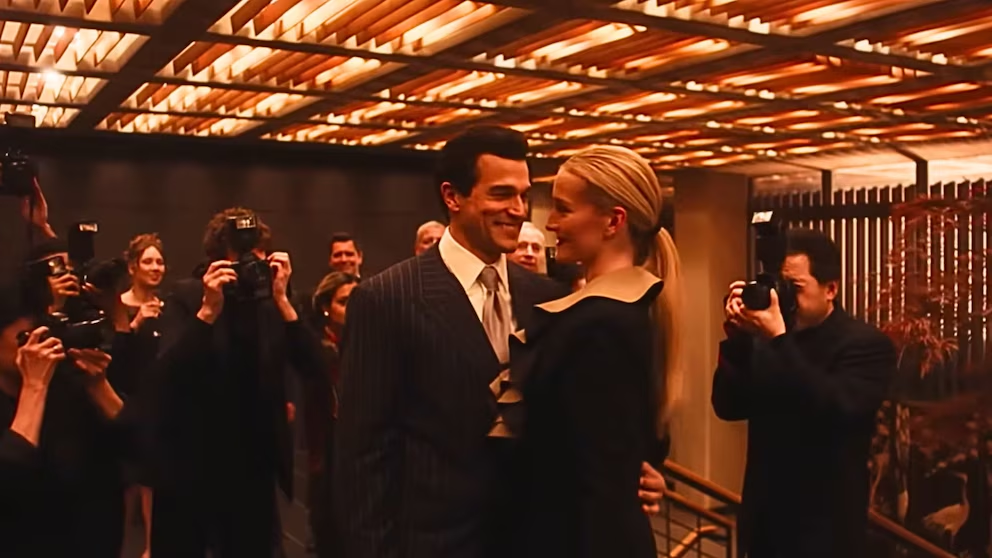
Television never revives a couple without rearranging them first.
New York, March 2026
The new dramatization of John F. Kennedy Jr. and Carolyn Bessette does not simply revisit a famous relationship. It reorganizes it for a different cultural moment. The series turns a couple long frozen in glossy memory into a narrative of strain, intimacy, spectacle, and impending fracture, which means it is not only reviving the myth but editing its emotional architecture. What changes is not just what viewers see. It is what they are invited to believe mattered most.
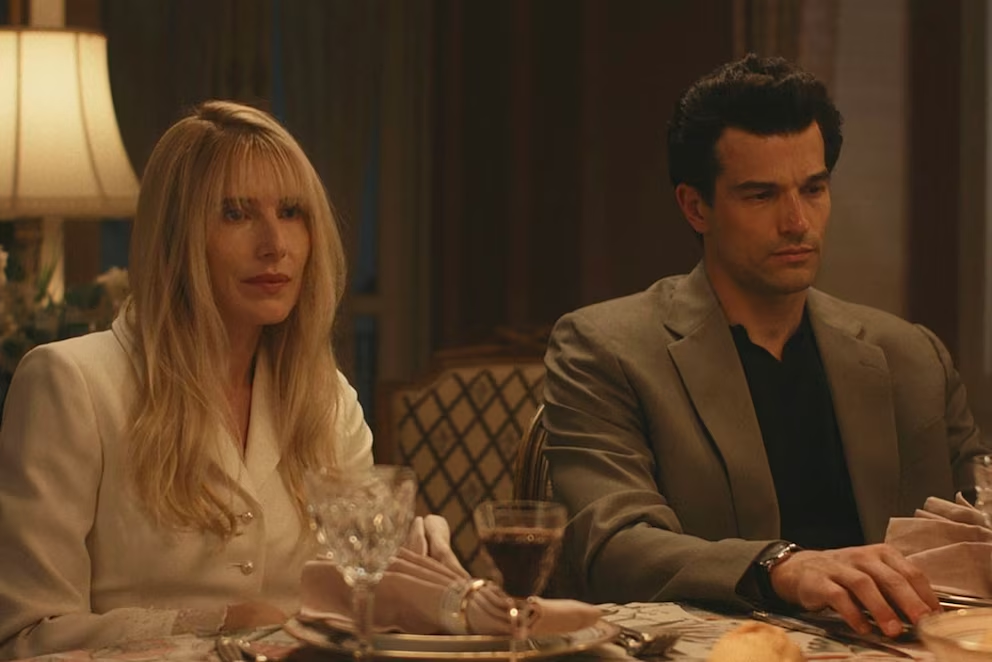
One of the clearest shifts lies in how the relationship’s final stage is framed. Recent coverage around the finale suggests the series leans heavily into marital tension, counseling, emotional distance, and the sense that the couple’s private life was under severe pressure before the 1999 plane crash. Some of that has grounding in later reporting from friends and associates, but the show compresses and dramatizes those tensions into a more legible emotional arc. Television does that almost by instinct. It prefers a relationship in visible crisis to one trapped in the more ambiguous textures of real life.
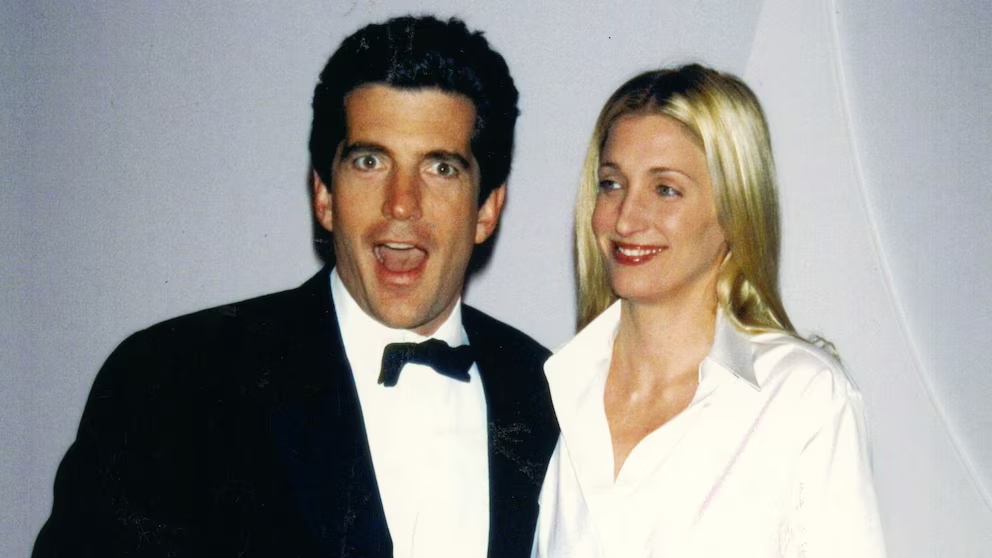
The series also appears to soften and reshape the meaning of their ending. Rather than leaving the relationship suspended in unresolved distance, the dramatization reportedly pushes toward a tone of reconnection and renewed commitment in its final stretch. That decision matters because it gives the tragedy a more narratively satisfying contour. The couple is no longer only remembered as glamorous and doomed, but as possibly repairing itself just before catastrophe intervened. It is a powerful emotional choice, even if it inevitably simplifies what history can never fully settle.

There are also specific dramatized details that have drawn scrutiny. Reporting on the finale indicates the show imagines moments around the crash and its aftermath in ways that are not fully supported by the historical record, including visual and interpersonal details that heighten drama rather than documentary precision. These are not minor issues when dealing with figures whose image already lives half inside fact and half inside public fantasy. Every invented gesture in a story like this does more than embellish. It helps replace memory.
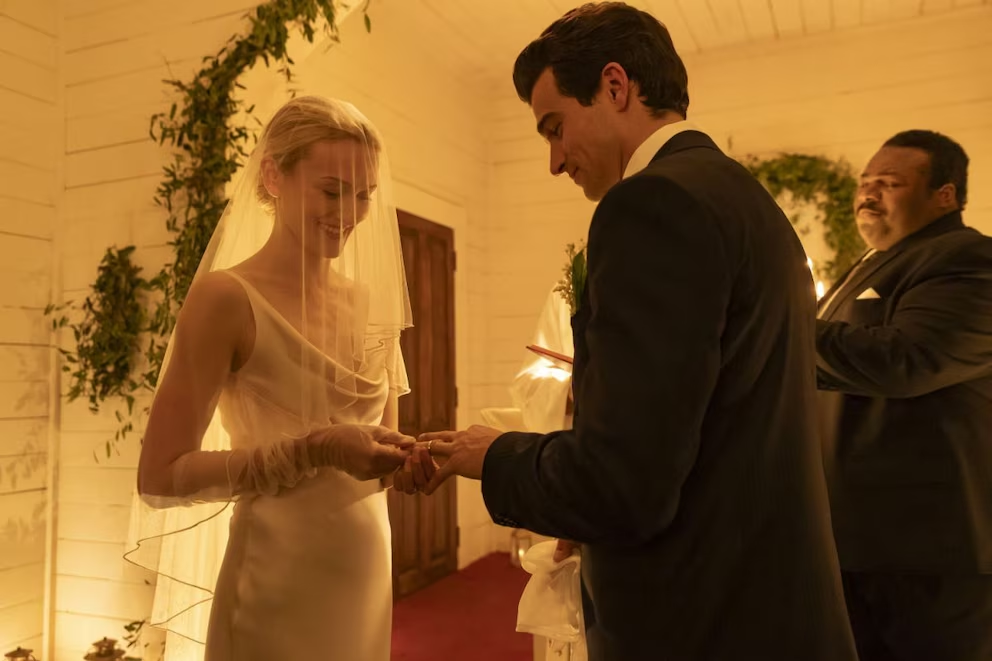
That is why the criticism around the show matters. People close to the real Kennedy orbit and others portrayed in the broader narrative have pushed back against aspects of the series, arguing that fiction is being allowed to harden into public understanding. Their concern is not simply about fairness to individuals. It is about how dramatization now functions in the digital age, where a prestige series can overwrite older historical nuance with a more emotionally efficient version of events. Once that happens, correction rarely travels as far as the image.
The Carolyn Bessette effect is especially revealing. The series has reportedly reignited fascination with her style, demeanor, and symbolic role inside 1990s celebrity culture, showing once again how television can convert a private person into a renewed commercial and aesthetic force decades after death. But that revival comes with distortion built in. The more iconic she becomes, the easier it is for the woman herself to disappear behind the edited silhouette of who television needs her to be. Myth, once monetized again, rarely returns as biography.

So what did the series really change about the relationship? It made the couple more narratively coherent than real life ever is. It sharpened tension, staged intimacy, softened some ambiguities, and turned a historically unresolved emotional reality into something closer to tragic structure. That does not make the series worthless. It makes it powerful in the most double-edged way. It reminds us that when television touches a cultural romance already soaked in legend, it does not merely retell the love story. It decides which version of the love story gets to survive.
Detrás de cada dato, hay una intención. Detrás de cada silencio, una estructura.
Behind every datum lies an intention. Behind every silence, a structure.