

 Phoenix 24
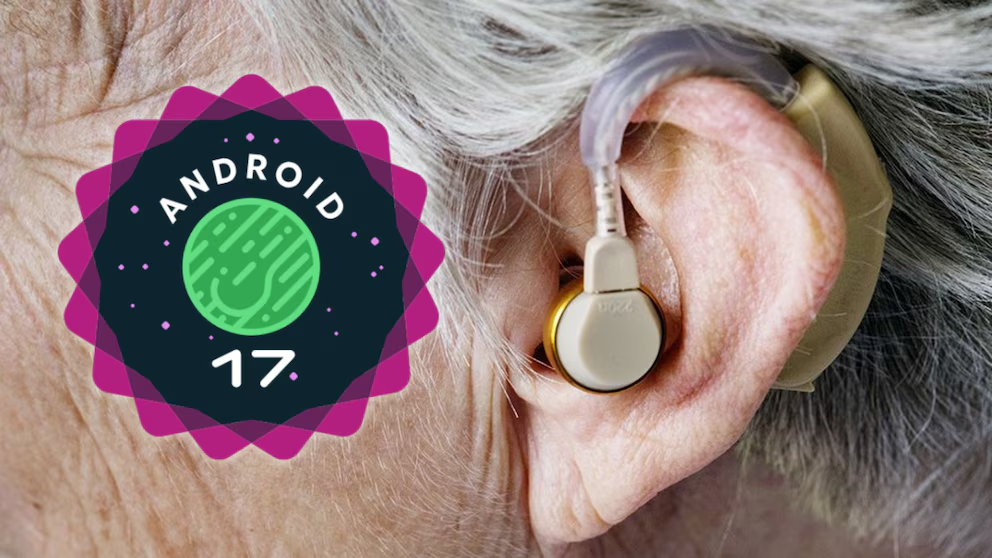
Better customization matters when the device sits inside daily life.
Mountain View, March 2026
Android 17’s new hearing-device features matter because they move accessibility away from one-size-fits-all behavior and closer to user control. The update is expected to let people with hearing loss better manage how connected hearing aids, cochlear implants and similar devices handle alerts, ringtones and other intrusive audio. That may sound modest on paper, but it addresses one of the most irritating and potentially harmful parts of digital life for hearing-device users: loud, badly timed sounds delivered directly into the ear. Accessibility becomes meaningful when it reduces friction, not just when it exists in a menu.
The deeper significance is that Android is treating hearing support less as a compatibility checkbox and more as a quality-of-experience issue. For years, tech platforms have claimed to support hearing devices while leaving users to adapt to notification overload, uneven sound behavior or clumsy default settings. A system that allows more precise control over what gets played and how it is routed is not merely adding convenience. It is acknowledging that accessibility failures are often built into the rhythm of everyday use.

That shift matters especially because hearing devices are not generic accessories. They are intimate medical and assistive tools that sit at the boundary between communication, safety and comfort. When a phone sends harsh alerts or badly managed audio through them, the problem is not only annoyance. It can become fatigue, stress and, in some cases, further auditory strain. Customization in this context is not cosmetic. It is a form of protection.
There is also a broader platform lesson here. The best accessibility updates are often the ones that look small to everyone except the people who actually need them. They do not arrive as flashy reinventions. They arrive as smarter defaults, fewer disruptions and greater control over how technology behaves in vulnerable contexts. Android 17 appears to be moving in exactly that direction by making hearing-device behavior more adjustable and less blunt.
This also reflects a wider competition in consumer operating systems. Accessibility is no longer just an ethical add-on or a compliance obligation. It has become part of the strategic contest over which ecosystem feels more livable over time. A platform that works better for users with hearing loss is not simply serving a niche. It is strengthening trust, loyalty and daily usability in one of the most personal zones of digital experience.
The larger point is that hearing accessibility should not be framed only as support for impairment. It is also about restoring control over how sound enters a person’s life. Phones now mediate work, transport, emergencies, relationships and constant ambient interruption. For users who depend on hearing aids or implants, that means the operating system plays a direct role in shaping comfort, clarity and cognitive load. When Android improves that layer, it is not just refining settings. It is quietly redesigning the terms of participation.
So the real meaning of Android 17’s hearing-device update lies beyond the technical feature list. It signals a more mature view of accessibility, one that understands personalization as part of dignity rather than as a premium option. For people with hearing loss, the difference between support and actual usability often lives in these details. And in technology, details like that are where inclusion either becomes real or remains a promise.
Detrás de cada dato, hay una intención. Detrás de cada silencio, una estructura.
Behind every datum lies an intention. Behind every silence, a structure.