

 Phoenix 24
A grand start can still become a trap.
Barcelona, March 2026
Miguel Induráin’s warning about the Grand Départ in Barcelona should not be read as skepticism toward the city or the spectacle. It is a more technical and more revealing caution about the kind of race the Tour de France is preparing to open. The five time champion has essentially pointed to one uncomfortable truth: a glamorous start does not guarantee a predictable one. In fact, Barcelona’s opening design may do the opposite and inject instability into the race from the first day.
The concern begins with the format itself. The 2026 Tour will start on July 4 in Barcelona with a 19.7 kilometer team time trial, the first opening stage of that type in the Tour since 1971. It is an unusual decision, and unusual decisions in cycling rarely arrive without consequences. What looks elegant on presentation boards can become tactically abrasive once teams, leaders and nerves begin sharing the same narrow margin for error.
Induráin’s point is not that the route will be monstrously difficult in the classic mountain sense. It is that it will be nervous, selective and tactically complicated right away. Barcelona’s opening stage combines urban rhythm, team coordination and an uphill finish dynamic around Montjuïc, which means the spectacle will be loaded with hidden pressure. That is the kind of profile that can generate time gaps, force tactical improvisation and punish any squad that has not fully synchronized its leaders, rouleurs and pacing logic.
This matters because a Tour does not merely begin with geography. It begins with psychological hierarchy. If one contender loses time immediately in a team structure he cannot fully control, the race narrative starts hardening before the mountains, before the long transitions and before the usual hierarchy has had time to settle. In that sense, Barcelona is not just hosting the departure of the race. It is helping write its first act under conditions that could feel more volatile than ceremonial.
The city, of course, has all the ingredients required for a global sporting opening. Barcelona offers visual power, institutional confidence and the symbolic weight of being one of Europe’s most recognizable event capitals. Organizers have leaned into that identity, presenting the Grand Départ as both a cycling festival and a civic showcase, with team presentations planned near the Sagrada Família and the opening stages designed to connect iconic Catalan locations. But spectacle and sporting fairness do not always move at the same speed, and that is where Induráin’s caution becomes sharper.
His reading also carries credibility because it comes from someone who understands how the Tour punishes early disorder. The first week of the race is often sold as transition, but veterans know it is where crashes, miscalculations, splits and nerves can already deform the general classification. A team time trial as the opening statement only intensifies that risk by shifting immediate responsibility from the isolated rider to the collective machine. When the machine hesitates, the leader pays.
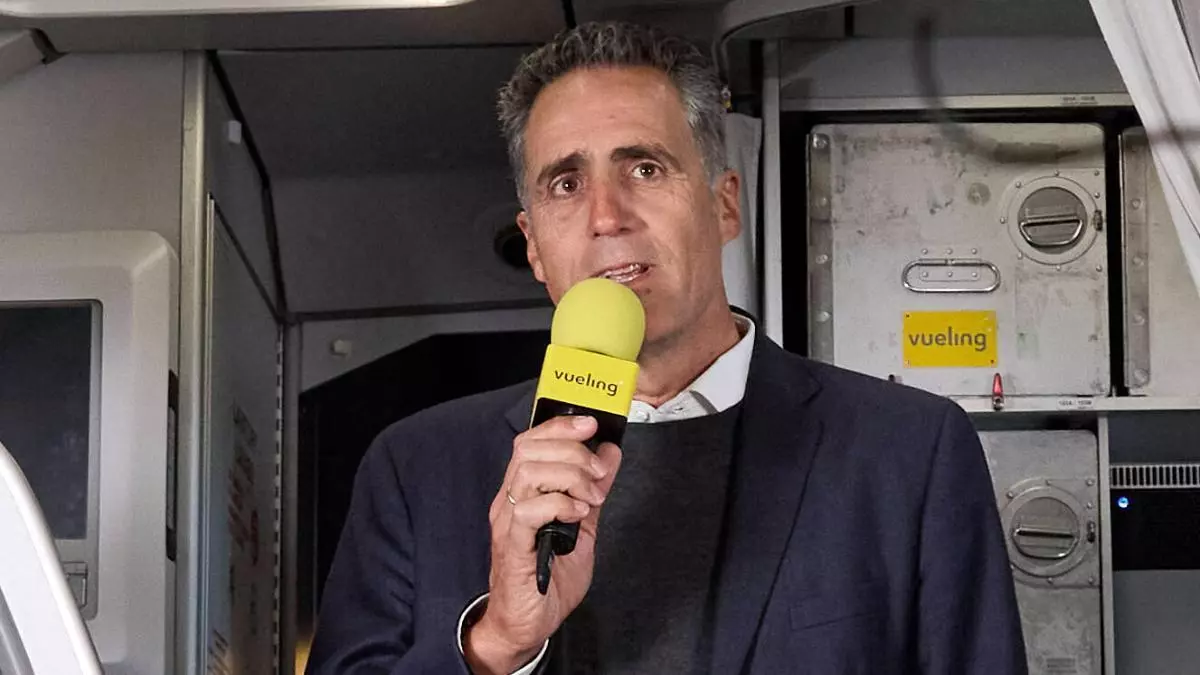
There is a deeper institutional lesson here as well. Modern cycling increasingly depends on host cities turning race openings into global branding exercises, and Barcelona is exceptionally well equipped for that role. Yet the more polished the event presentation becomes, the easier it is to forget that the route remains a competitive instrument before it becomes a postcard. Induráin’s warning quietly restores that balance. He reminds everyone that beneath the yellow lighting, the promotional aircraft and the official celebration sits a stage built to create tension.
That is why his message should not be reduced to nostalgia or local commentary. It is a structural observation about how races are shaped before riders even reach the mountains. Barcelona will almost certainly deliver atmosphere, beauty and enormous visibility for the Tour, but it may also deliver immediate fractures in the race order. Induráin seems to understand that the Grand Départ will have nerve, pace and tactical “salsa,” but also enough complexity to make the opening dangerous in sporting terms. And in the Tour de France, the most dangerous beginnings are often the ones dressed up to look the most festive.
Detrás de cada dato, hay una intención. Detrás de cada silencio, una estructura.
Behind every datum lies an intention. Behind every silence, a structure.