

 Phoenix 24
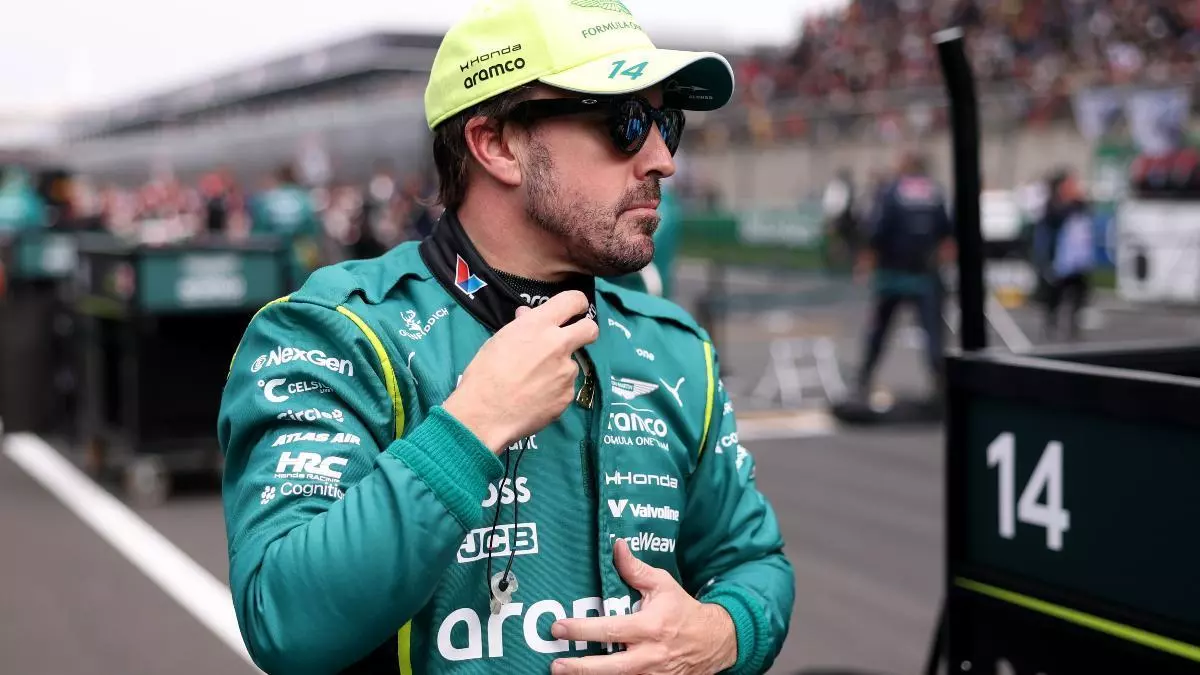
When speed is missing, every detail becomes strategy.
Silverstone, March 2026.
Aston Martin is searching for a way out of its difficult Formula 1 start, and the latest signals from the team suggest that improvement may not come through a dramatic breakthrough, but through more unusual and incremental adjustments. In a season where the car has struggled to meet expectations, even small operational or technical changes begin to attract attention because the team is no longer in a position to wait comfortably for a single transformative fix.
What makes this moment significant is that Aston Martin is being forced to think creatively under pressure. When a team with major ambitions fails to produce immediate competitiveness, the response often shifts from long term narrative to short term experimentation. That appears to be where Aston Martin now finds itself. The objective is no longer simply to develop the car in a conventional way, but to find any pathway that can unlock stability, confidence and usable pace.
The deeper issue is not only performance, but coherence. Aston Martin entered this phase of its project with the image of a team building toward elite status through investment, infrastructure and high profile technical recruitment. Yet the early results have exposed a gap between ambition and execution. In that context, an unusual method of trying to improve the car becomes symbolically important. It suggests that the team is still searching for clarity about what exactly is limiting its package.
That is why even seemingly minor changes now matter. In Formula 1, once a car falls outside the competitive window, the challenge is rarely solved by one isolated modification. Teams begin looking everywhere: setup philosophy, aerodynamic balance, driver feedback loops, simulator correlation, ride behavior and operational sequencing across the weekend. What appears unusual from the outside is often a sign that the conventional route has not delivered enough.
For Aston Martin, this creates both opportunity and risk. On one hand, experimentation can reveal solutions that a more rigid approach would miss. On the other, it can also signal that the project is still lacking a firm center of technical confidence. In elite motorsport, creativity is valuable, but only when it is anchored in a structure that knows what problem it is trying to solve.
That is the real pressure surrounding the team now. Aston Martin is no longer judged as a patient project with time to grow quietly. It is judged as an operation that has already asked to be seen among the frontrunners. Under those conditions, every unconventional move is read in two ways at once: as a sign of ingenuity and as evidence of instability.
What comes next will depend on whether these adjustments produce real performance rather than temporary optimism. If they do, Aston Martin can still reframe the season as one of correction and technical resilience. If they do not, the team risks reinforcing the impression that it is still searching for answers more than building momentum.
In Formula 1, unusual ideas can sometimes change everything. But only if they are backed by a machine capable of turning experimentation into direction.
Phoenix24: clarity in the grey zone. / Phoenix24: claridad en la zona gris.