

 Phoenix 24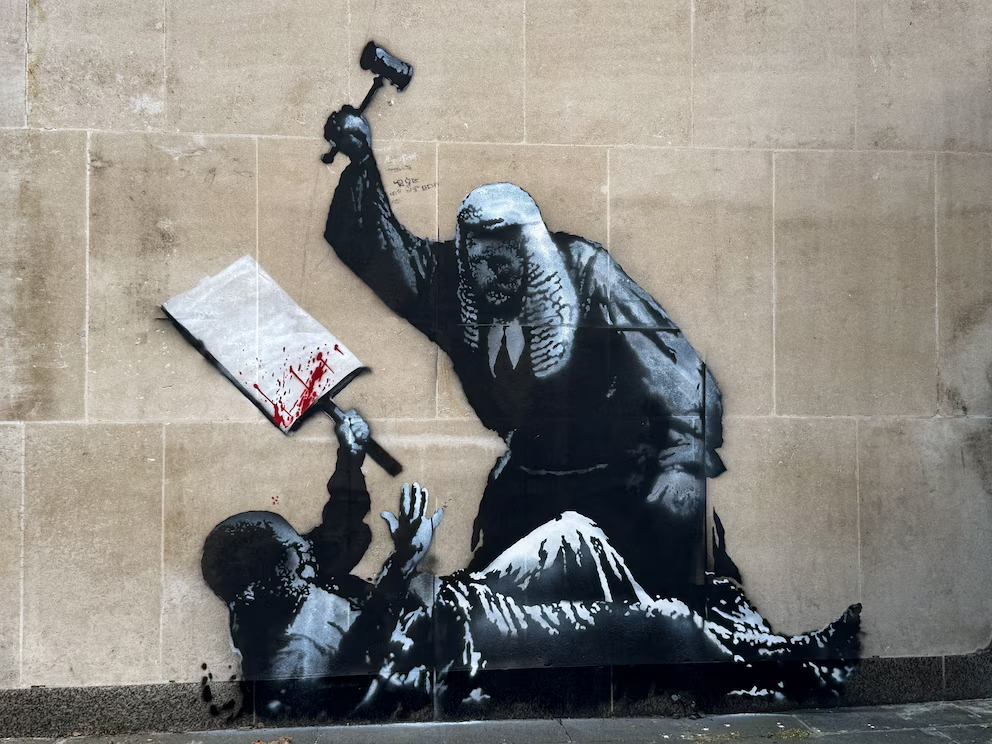
Mystery is still part of the value.
London, March 2026
The market value of Banksy has always depended on more than the images themselves. His work circulates at the intersection of art, anonymity, provocation and myth, which means that any serious move toward confirming his identity would affect not only public curiosity, but also the symbolic structure supporting his place in contemporary art. The question is no longer just who Banksy is. It is what that truth would do to the market built around not knowing.
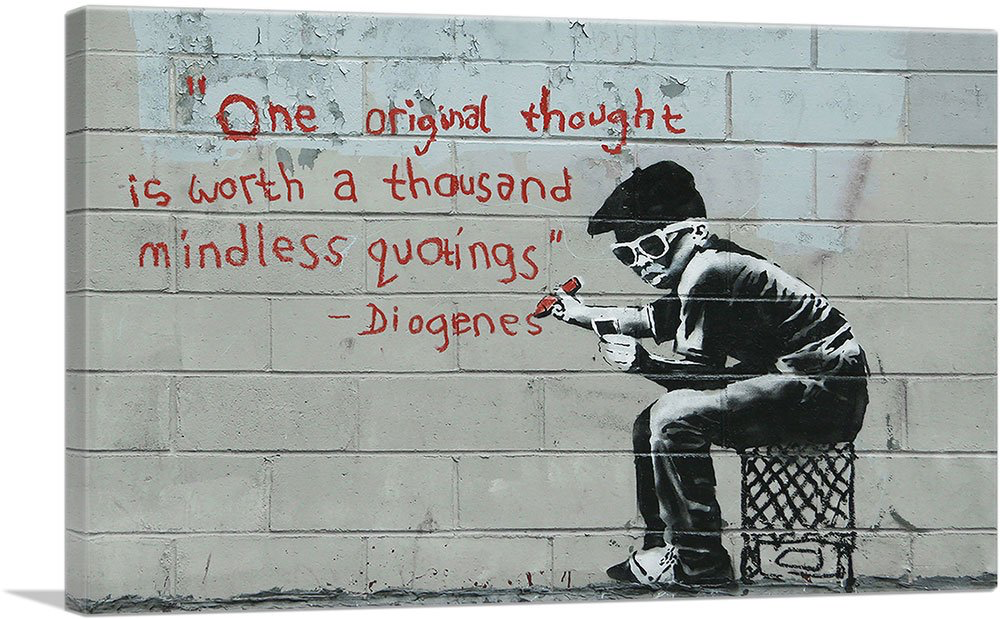
Part of Banksy’s strength has come from the unusual balance between visibility and absence. His works are globally recognizable, yet the artist remains officially unconfirmed as a person. That separation helped turn each mural, print and intervention into more than an object. It became part of a larger narrative in which authorship itself functions as cultural tension. In that model, mystery is not a side detail. It is one of the conditions of value.
That is why the issue matters commercially. In contemporary art, scarcity does not only come from limited production. It also comes from aura, mythology and symbolic distinction. Banksy has all three. His anonymity gives the work a political charge that would be harder to reproduce under a fully documented identity. The market has spent years pricing not only the image, but the enigma around the image. Revealing the author too definitively could alter that equation.
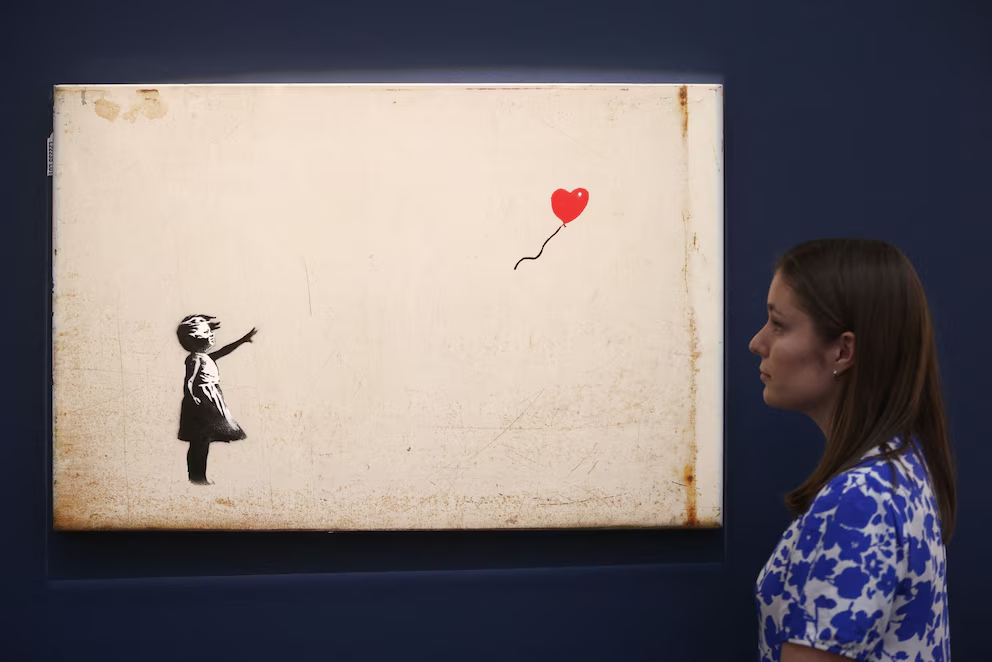
This does not mean the value would necessarily collapse. In fact, confirmed identity could have the opposite effect in some segments of the market, especially among collectors who see authorship verification as a path to greater certainty and historical consolidation. But even if prices held or rose, the nature of the value would change. The work would no longer circulate under the same conditions of rumor, ambiguity and anti-system mystique that helped distinguish it from more conventional contemporary art careers.
The deeper issue is that Banksy’s position has never been entirely separable from the story of resistance to the art establishment. Even as his works have entered auctions, museums and elite collections, his public image has remained tied to illegality, intervention and distance from institutional branding. If a definitive identity were to enter the record, that image would not disappear overnight, but it would be forced into a different relationship with the market that has been absorbing it for years.
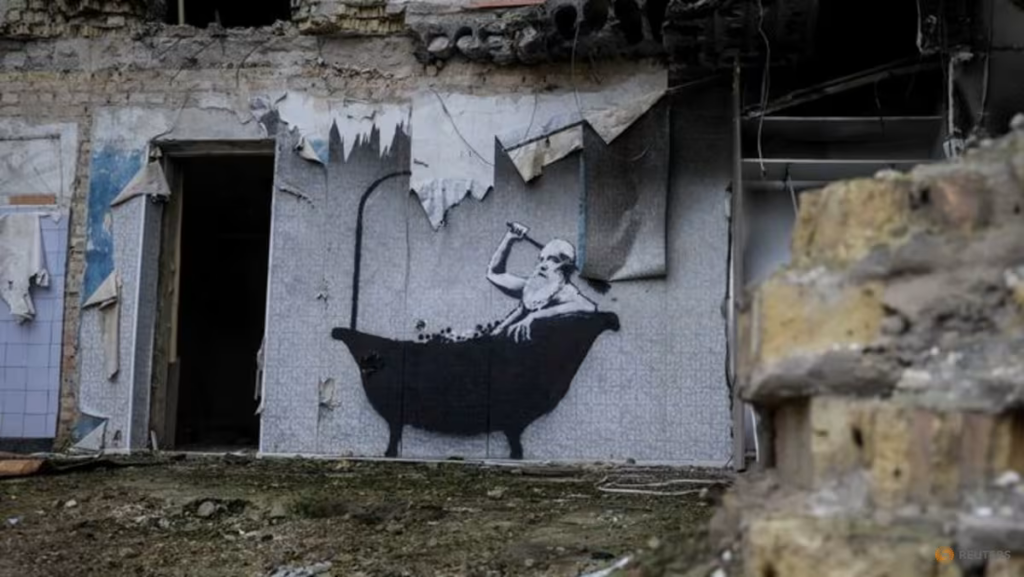
There is also a legal and reputational dimension. Authenticity, provenance and authorship carry major weight in contemporary art valuation. A fully established identity could strengthen certain commercial and archival processes while also exposing the work to new disputes over ownership, attribution and control. In that sense, truth would not arrive as a neutral fact. It would arrive as a market event.
What gives Banksy unusual importance in this debate is that few artists have managed to convert anonymity into such durable cultural capital. The market is not only trading paintings, prints or interventions. It is trading access to a myth that still resists complete capture. That makes the question of identity unusually delicate, because disclosure would not simply solve a mystery. It would redistribute value across the entire symbolic economy surrounding the work.
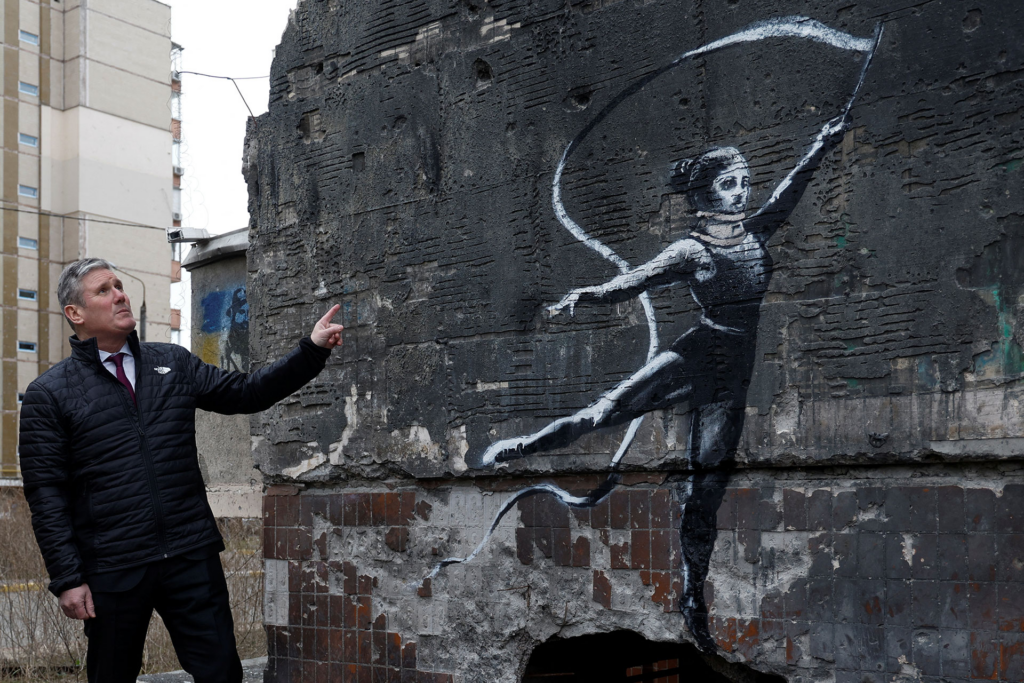
For now, the central point is clear. Banksy’s worth in contemporary art cannot be measured only in auction results or collector demand. It is also measured in the continuing power of an unresolved identity. The truth, if it ever arrives in a definitive way, may not destroy that value. But it would almost certainly transform it.
Phoenix24: journalism without borders. / Phoenix24: journalism without borders.