

 Phoenix 24
Peace depends on decisions that have not yet arrived.
Kyiv, March 2026.
Ukrainian President Volodymyr Zelensky stated that his government is ready to participate in another round of peace negotiations aimed at ending the war with Russia, but clarified that the timing now depends on Washington and Moscow. His remarks reflect a fragile diplomatic moment in which discussions remain stalled amid disagreements about where the meeting should take place and amid shifting global priorities that have complicated mediation efforts.
Zelensky emphasized that Ukraine is not obstructing the resumption of talks and reiterated that Kyiv would accept almost any format capable of restarting meaningful dialogue. According to the Ukrainian leader, the United States proposed hosting a meeting involving representatives from Washington, Moscow and Kyiv, yet Russia has reportedly expressed reluctance to attend if the discussions occur on American soil. As a result, Ukraine is waiting for a clear signal from both governments before a date or venue for the next diplomatic encounter can be finalized.
The negotiations in question belong to a broader trilateral framework promoted by Washington to explore possible pathways toward de-escalation. Earlier diplomatic contacts have taken place in neutral locations such as Geneva and Abu Dhabi, where officials discussed issues including regional security arrangements, the status of contested territories in eastern Ukraine and potential international guarantees for a ceasefire. Despite these efforts, the talks have not yet produced tangible progress, largely because the strategic objectives of the parties involved remain fundamentally incompatible.
One of the central obstacles continues to be the status of territories occupied during the conflict in the Donbas region. Moscow has repeatedly argued that any agreement must acknowledge what it calls the “new territorial realities” created by the war, implying recognition of Russian control over certain areas. Kyiv rejects that premise entirely and maintains that Ukraine’s internationally recognized borders are not negotiable. This fundamental disagreement has prevented negotiations from advancing beyond preliminary diplomatic exchanges into concrete treaty discussions.
International developments have also slowed momentum around the peace process. Ukrainian officials have suggested that escalating tensions and violence in the Middle East have forced Washington to redirect diplomatic attention and postpone meetings that had been expected to move the negotiations forward. As global crises compete for political focus, the diplomatic pressure that might otherwise drive progress in the Ukraine conflict has temporarily weakened.
Nevertheless, Zelensky continues to emphasize that Ukraine remains committed to seeking a negotiated resolution. He has reiterated that any sustainable peace must guarantee long-term security and cannot legitimize territorial occupation achieved through military force. This position reflects the broader framework often described by Ukrainian officials as a peace formula built on several core principles: the withdrawal of Russian troops, restoration of internationally recognized borders and the establishment of security guarantees supported by international partners.
At the same time, Kyiv is working to strengthen diplomatic and military coordination with Western allies while the peace track remains uncertain. In recent weeks Zelensky has spoken with several European leaders about expanding air defense capabilities and maintaining the flow of military assistance. Ukrainian authorities argue that continued support is essential as Russia has intensified missile and drone strikes targeting energy infrastructure and urban areas.
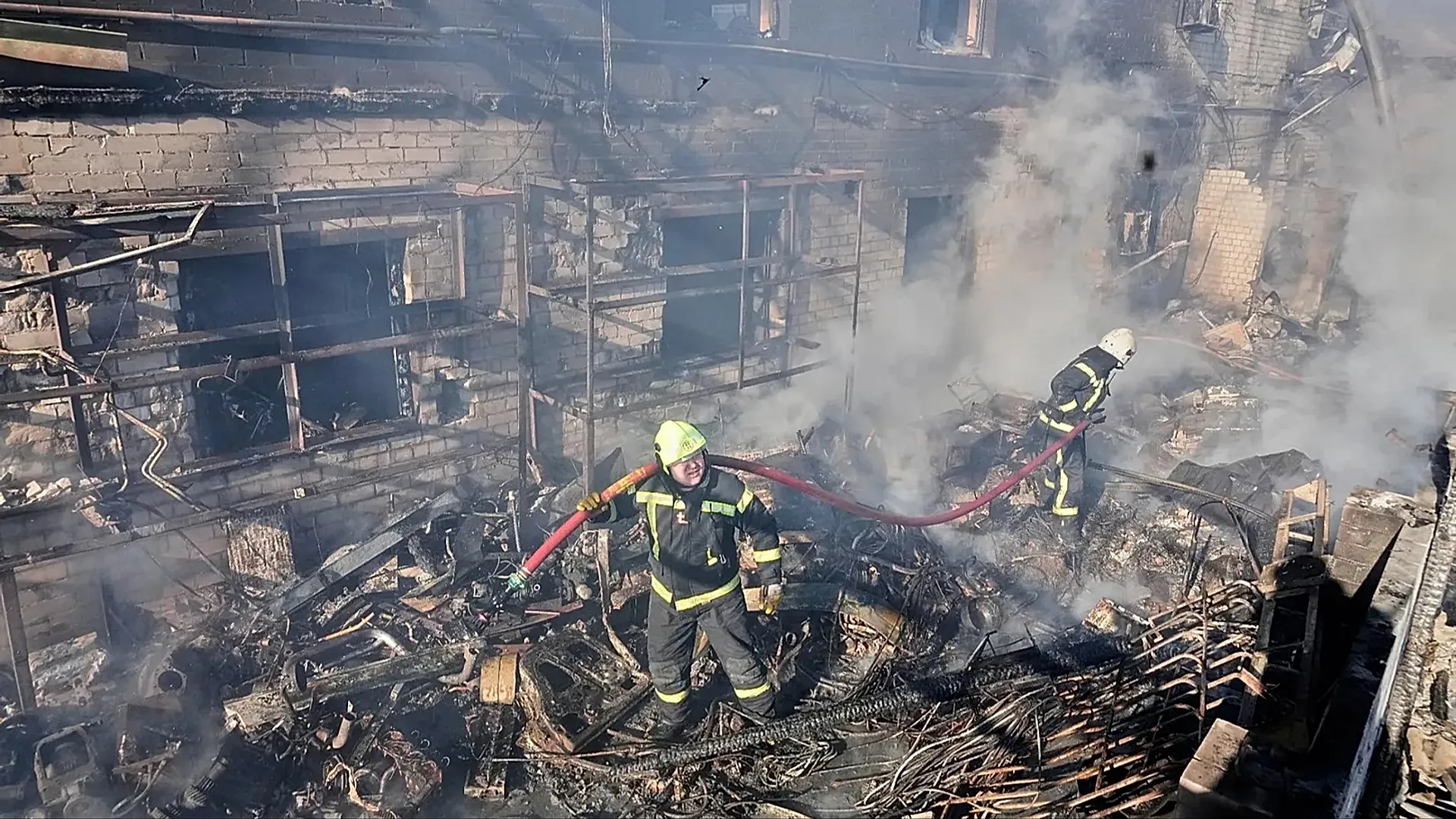
Meanwhile, the conflict itself continues to shape the negotiating environment. Ukrainian officials maintain that Russian forces are increasing pressure along several front lines while also targeting critical infrastructure. Moscow, for its part, signals that any negotiations must take into account the territorial gains it claims to have secured during the war. These competing narratives reinforce the strategic stalemate that has characterized diplomatic efforts over the past months.
For international observers, the current moment illustrates the complexity of ending a war that has already reshaped European security architecture. Diplomatic channels remain open, yet progress depends on a delicate alignment of political calculations in Washington, Moscow and Kyiv. Without that alignment, negotiations risk remaining symbolic rather than transformative.
Zelensky insists that Ukraine will continue to pursue dialogue while defending its sovereignty. The possibility of another round of talks remains real, but its realization will depend on whether the key powers involved can overcome disagreements about the framework and location of the negotiations.
Until then, the war enters another phase of diplomatic uncertainty. Ukraine signals readiness to negotiate, Russia maintains firm territorial demands, and the United States balances mediation efforts with broader global crises. In that unresolved triangle lies the fragile possibility of peace.
Phoenix24: clarity in the grey zone. / Phoenix24: clarity in the grey zone.