

 Phoenix 24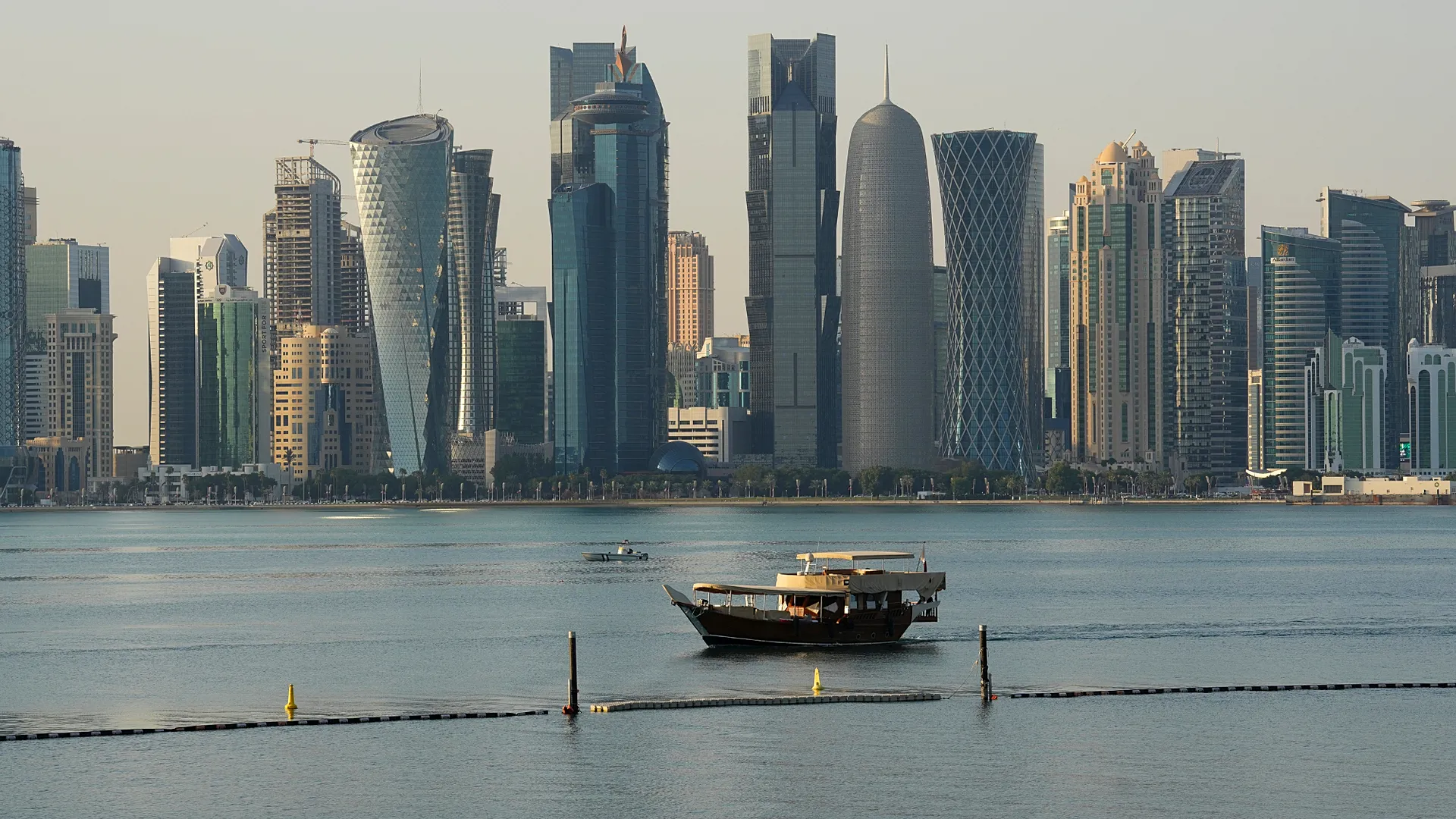
Missiles redraw the map of regional risk.
Doha, March 2026
Qatar experienced a tense night after authorities reported intercepting incoming missiles linked to Iranian operations while announcing precautionary evacuations in several areas of the country. The incident signals another escalation in the expanding Middle East confrontation, a conflict that has gradually moved beyond its initial battlefield and is now touching the infrastructure, airspace and civilian environment of multiple Gulf states. Qatari officials described the evacuations as preventive measures aimed at protecting residents and foreign nationals while security forces monitored the evolving threat landscape. In a region where geopolitical tension can shift quickly into operational reality, even precautionary actions carry strategic meaning.
The overnight attack illustrates how rapidly the conflict involving Iran has begun to spill across national boundaries. Over recent weeks, missile and drone strikes connected to the confrontation between Iran, Israel and the United States have increased across the broader Middle East. Iranian officials have repeatedly warned that facilities linked to American military presence or allied infrastructure could become targets if hostilities continue. Qatar occupies a particularly sensitive position within that geography because it hosts Al Udeid Air Base, the largest U.S. military installation in the Middle East and a central node for American air operations across the region. That presence alone places the country within the strategic calculations of any escalation.
According to preliminary accounts from regional security officials, defensive systems were activated during the night as incoming projectiles were detected approaching Qatari airspace. Interceptions occurred before the missiles reached populated zones, although explosions and air raid alerts were reported in parts of the capital, Doha. Authorities moved rapidly to evacuate selected areas considered vulnerable while emergency services remained on alert for debris or secondary threats. Such precautionary evacuations have become a familiar feature of crisis management across the Gulf since the conflict intensified, demonstrating how quickly civilian safety protocols must adapt when military confrontation spreads geographically.
The incident also highlights the strategic vulnerability created by the geography of the Persian Gulf. Qatar lies directly across the water from Iran, placing it well within the operational range of various missile and drone systems deployed by Iranian forces. Analysts have long warned that the region’s dense concentration of energy facilities, international shipping routes and foreign military installations creates an environment where escalation can produce immediate cross border consequences. Gulf states, many of which maintain security partnerships with Washington, therefore face exposure to retaliation even when they are not direct participants in offensive operations.
Beyond the immediate security implications, the confrontation has already begun generating economic ripple effects. Earlier attacks and drone incidents disrupted air traffic and forced temporary adjustments in operations at certain energy and industrial facilities across the Gulf. Qatar, one of the world’s largest exporters of liquefied natural gas, has experienced heightened security measures around key energy installations since the conflict intensified. Such disruptions reverberate far beyond the region, influencing energy markets and reinforcing fears that instability near the Strait of Hormuz could threaten one of the most critical maritime corridors for global oil shipments.
Diplomatic reactions have followed a familiar pattern of concern and caution. Governments across the Gulf and Western partners have called for restraint, warning that continued attacks on neighboring states risk widening the confrontation into a broader regional conflict. International observers increasingly describe the situation as a spillover war, where retaliatory moves cross borders faster than diplomatic channels can contain them. In that environment, even defensive actions such as missile interceptions or precautionary evacuations become signals that the perimeter of the conflict is expanding.
For Qatar, the strategic dilemma is particularly complex. The country has historically maintained a delicate diplomatic balance, preserving communication channels with multiple actors across the region while simultaneously hosting American military infrastructure and cooperating with Western allies. That balancing posture has allowed Doha to act at times as mediator in regional disputes. Yet when missile alerts activate over the capital and evacuations become necessary, the distance between neutrality and involvement becomes increasingly difficult to maintain.
The broader pattern now emerging suggests that the Gulf is no longer merely adjacent to the conflict. It is gradually becoming part of its operational landscape. Missile interceptions, temporary evacuations and airspace alerts reveal how quickly a regional war can extend into surrounding states that once viewed themselves as peripheral to the fighting. The latest overnight attack therefore represents more than a single military incident. It marks another step in the transformation of the Middle East conflict into a system of pressure that stretches across borders, alliances and energy routes.
The visible and the hidden, in context. / Lo visible y lo oculto, en contexto.