

 Phoenix 24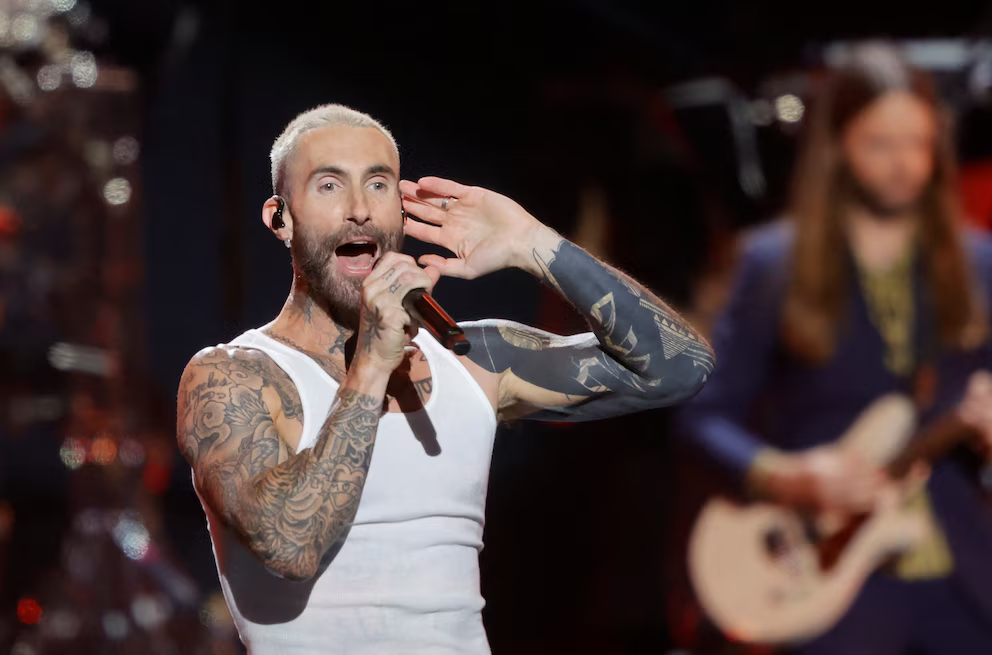
A decade later, the crowd becomes the message.
Alajuela, March 2026
Maroon 5’s return to Costa Rica is being marketed as a concert, but it functions like something bigger: a proof point that Central America can still operate as a high-value stop inside a compressed Latin American routing strategy. Infobae reports the band will play on Tuesday, April 28, 2026 at the Coca-Cola Amphitheater in Parque Viva, in La Guácima, with a scheduled start time of 7:00 p.m. The headline detail is the date after ten years away. The structural detail is why that date exists at all. In a touring economy where logistics, ticketing volatility, and security costs have tightened margins, artists do not “add” stops casually. They pick nodes that can convert regional demand into guaranteed attendance and clean production.
This is not Maroon 5’s first relationship with the country, and that history matters because it lowers risk. Infobae recalls the group’s 2016 appearance at the same venue, a show remembered locally for strong energy and a sold-out crowd that reportedly exceeded 16,000 people. That kind of memory is currency in tour planning. It tells promoters there is latent demand, tells sponsors there is predictability, and tells the band that the stop will not feel like a bet. A decade of absence, paradoxically, can increase that demand if the fan base stayed intact and the catalog remained radio-friendly across generations. In other words, the wait itself becomes part of the product.
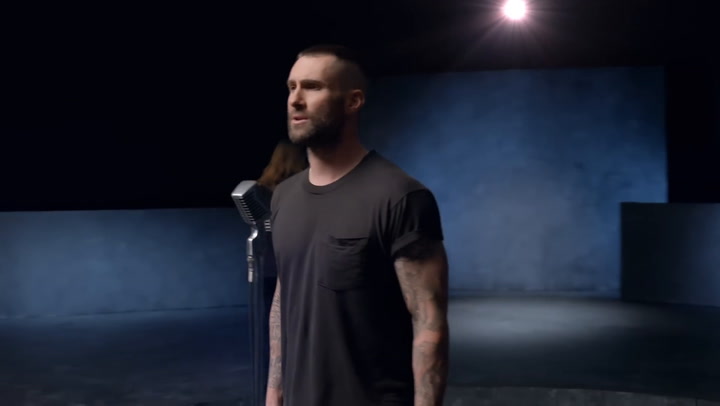
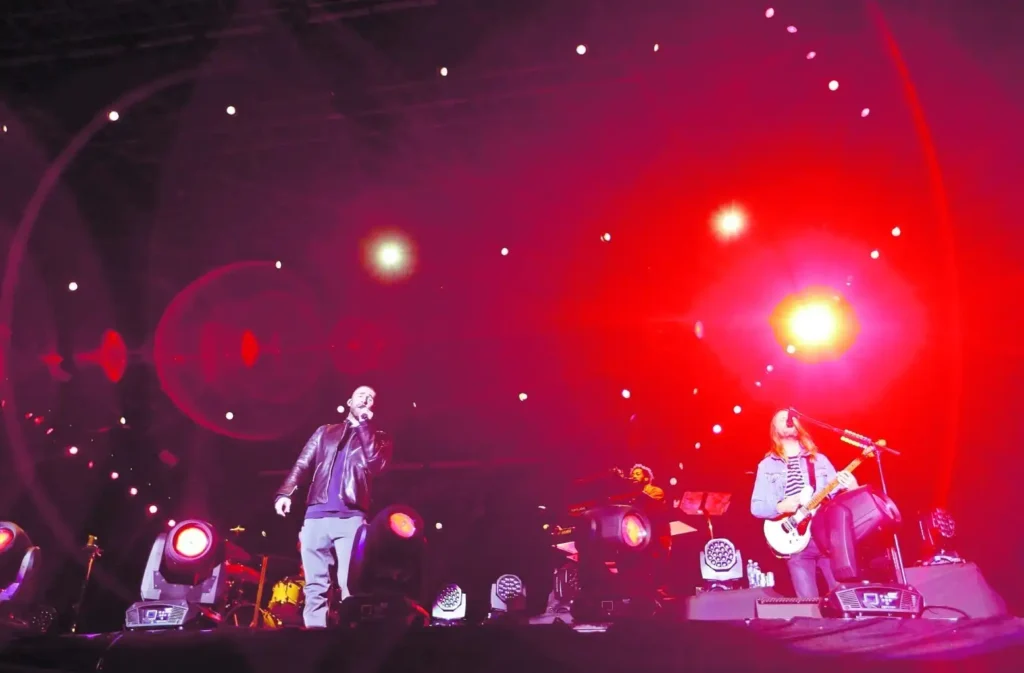
The venue choice is also a signal. Parque Viva is being framed as selected for acoustics and sightlines, the kind of language promoters use when they want to justify premium pricing and reassure buyers that the experience will match “international standards.” That reassurance matters in 2026 because audiences are more skeptical about live value than they were pre-pandemic. People will pay, but they want a reason that feels tangible: sound, screens, access, security, timing. The amphitheater format helps because it supports a staged production that can scale without losing intimacy, and it creates a clean narrative for advertising: one night, one place, a finite number of seats, a return after ten years. Scarcity, here, is not accidental.
Ticketing mechanics reveal how the show is being engineered to sell. Infobae describes a phased process beginning with a fan-club presale on March 3, followed by card-based presales on March 4 and March 5, then general onsale on March 6 if inventory remains. That sequencing is not just about privilege. It is a demand-management strategy that smooths the rush, locks in early revenue, and creates multiple marketing moments rather than one. In a region where consumer purchasing power is uneven and buyers often wait until the last minute, staged presales also allow promoters to test appetite and adjust messaging before opening the gates to everyone.
Pricing tiers further underline the segmentation strategy. Infobae lists five main sections with prices presented in colones and approximate U.S. dollar equivalents, ranging from roughly the high one-hundreds down toward the mid one-forties depending on placement. The specifics are less important than the structure: a central premium zone, a standing “golden” pit-style option, and several seated lateral and upper options designed to capture buyers who want the show but cannot or will not pay for the closest view. This is how modern touring maximizes yield without declaring it openly. You do not sell “expensive seats.” You sell different experiences inside the same night.
The reported age policy also speaks to audience engineering. The show is described as restricted to attendees over 12, with minors required to be accompanied by a responsible adult. That kind of rule is often driven by venue policy and security considerations, but it also shapes the crowd into a more predictable mix. Maroon 5’s audience is broad and cross-generational, yet the emotional center of their live draw tends to skew toward older teens and adults who grew up with the early hits and stayed for the later pop era. That demographic is also more likely to purchase earlier and spend on upgrades. Policies like this reduce edge-case risks and strengthen the event’s “managed” feel.
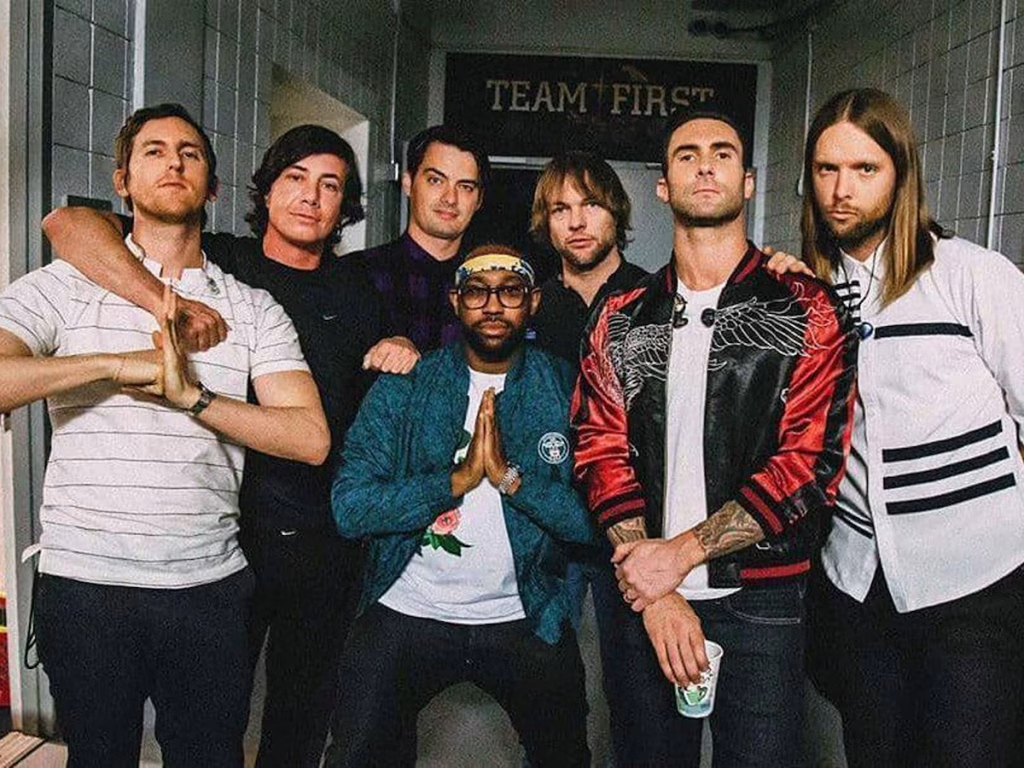
The Costa Rica stop gains additional meaning when placed inside the band’s wider regional routing. Infobae situates the show within a cluster of Latin American dates, including Bogotá on April 25, Santo Domingo on May 1, and San Juan on May 3. That tight spacing is not random. It reflects how global tours now behave: fewer gaps, fewer idle days, more efficient freight movement, and a higher premium on cities that can anchor an itinerary without creating dead time. For Costa Rica, being inside that cluster is a form of validation. It means the market is considered reliable enough to sit inside a high-density run rather than being treated as optional.
To meet Phoenix24’s global lens, it is useful to triangulate the narrative beyond one local report. The band’s own official tour communications have listed Costa Rica as a confirmed stop, and international wire coverage has also framed the event as a return after nearly a decade, noting prior appearances in 2012 and 2016. Put together, those three perspectives converge on a single point: the show is both a nostalgia trigger and a commercial certainty. This is what “strategic stop” really means in touring. It is not about affection for a country. It is about demand density, venue reliability, and the ability to deliver a production that travels cleanly.
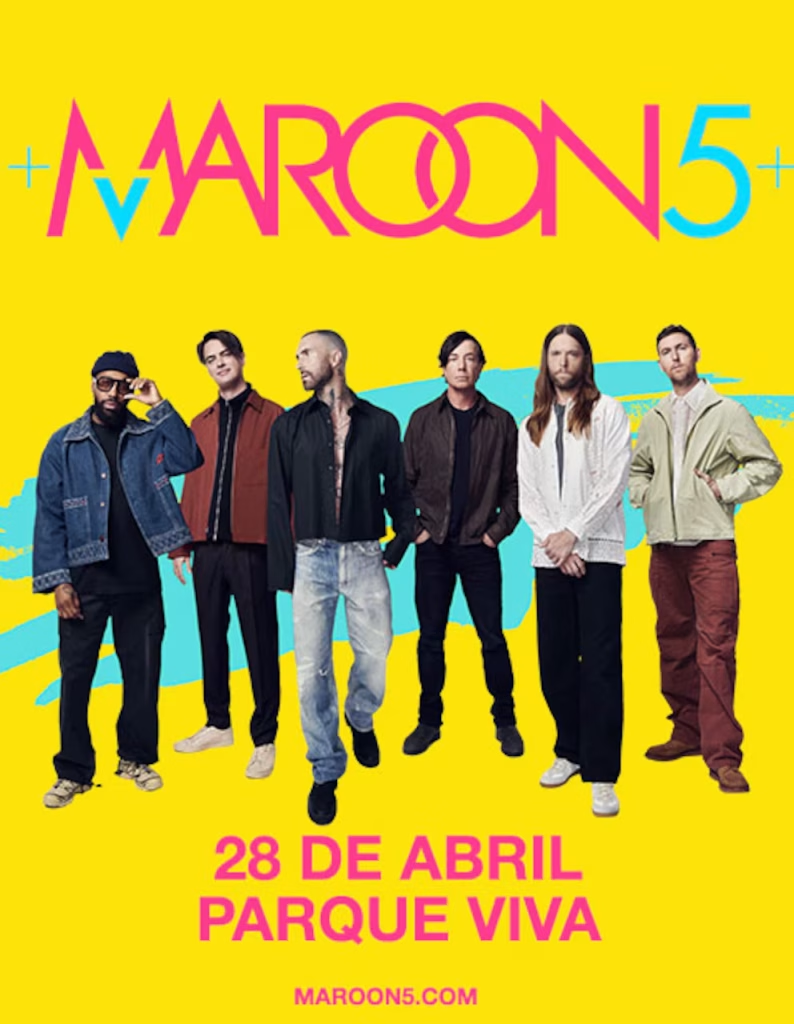
What changes on the wider board is how Central America is being positioned in the live entertainment map. In 2026, touring is less forgiving, and audiences are more selective. A major U.S. band choosing Costa Rica as part of a concentrated Latin American run suggests that the region’s infrastructure, promoters, and consumer demand have matured into something scalable. The concert will be remembered as a night of hits, but its deeper significance is structural. Costa Rica is not just receiving a global tour. It is being treated as a node that can carry one.
Phoenix24: journalism without borders. / Phoenix24: periodismo sin fronteras.