

 Phoenix 24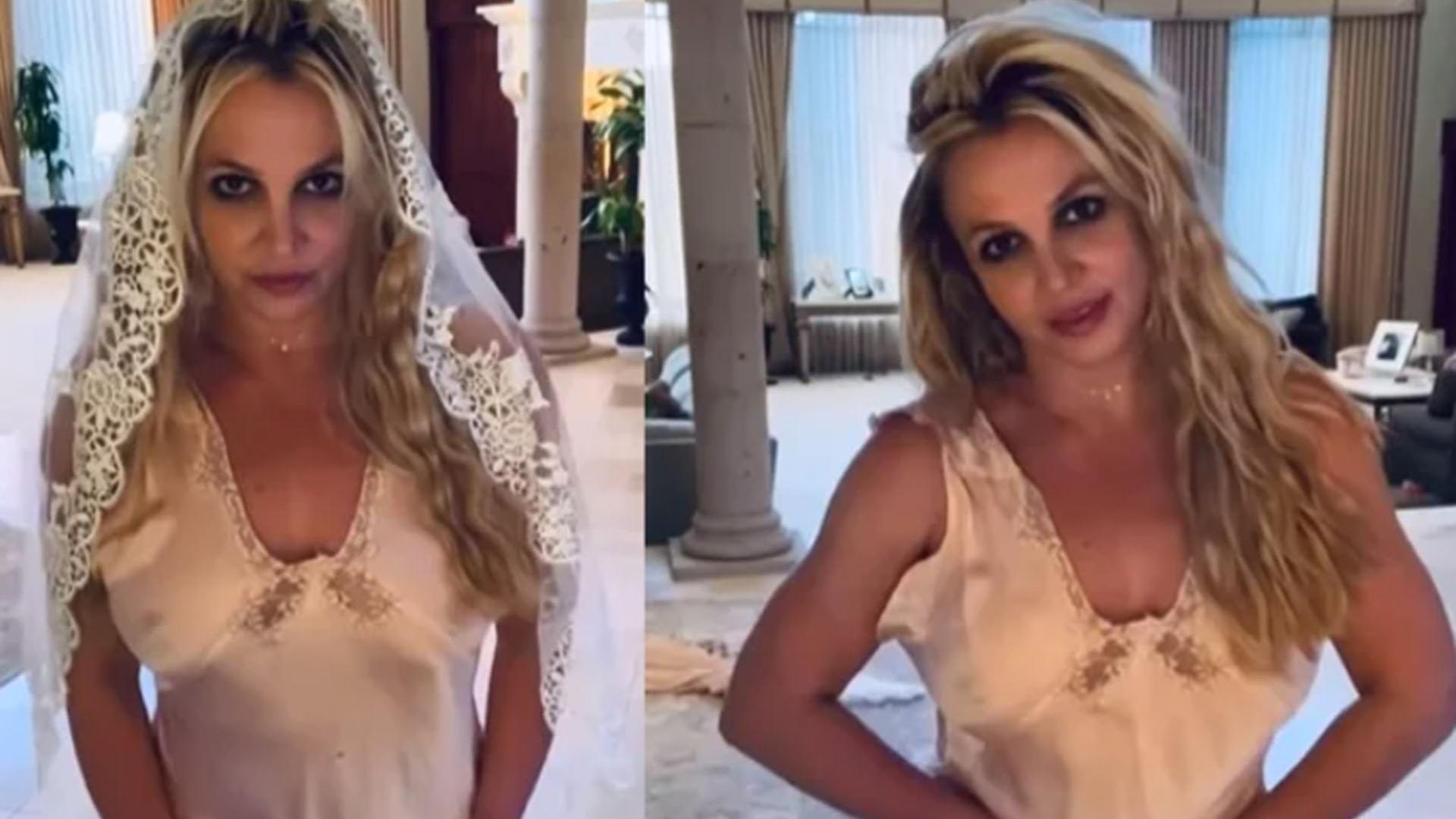
One clip can collapse a whole narrative.
Los Angeles, March 2026
Britney Spears’ final Instagram post before her account disappeared has been framed as “just another upload” until the context arrived and rewired it. Multiple outlets reported that Spears was arrested in Ventura County, California on suspicion of driving under the influence on the night of March 4, then released hours later under a citation-and-release procedure, with a court date reported for early May. Shortly after the arrest became public, her Instagram account was deactivated or removed, and the last piece of content she shared began circulating as if it were evidence, a signal, a confession, or a warning. That is the modern celebrity trap: a platform post that was likely intended as routine self-expression becomes retroactively treated as a key to “what was really going on,” even when no one outside the situation has the full facts.
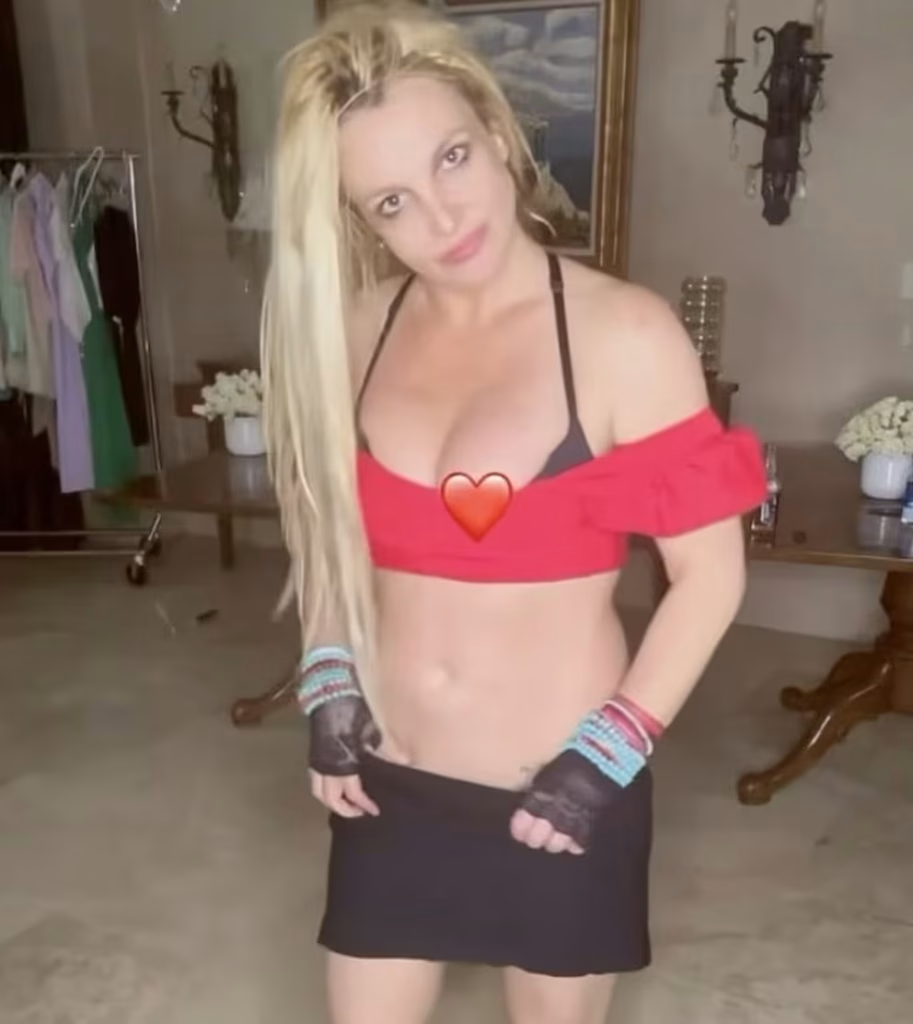
The last post itself was described in coverage as a provocative dance-style clip that drew intense attention and debate. The specific content matters less than the function it played. For years, Spears’ Instagram has operated as a direct-to-audience channel where she controls the camera, the edit, and the tone, bypassing the older system of interviews, publicists, and staged appearances. That autonomy is part of why her posts generate outsized reaction: supporters read them as freedom, critics read them as instability, and the internet reads them as raw material. Once the arrest story broke, the final video was pulled into a different frame. It stopped being content and became context.
The timing is what turned the post into a narrative accelerant. The sequence reported by mainstream media is straightforward: arrest, processing, release, then the social account disappears. But the human impulse is rarely satisfied by sequence alone. People want a story arc, and the easiest arc is to treat the last post as the “clue” that explains the next event. That move is psychologically satisfying and often intellectually lazy. It replaces uncertainty with a clean causal line: she posted, then something happened, therefore the post foretold it. Real life rarely works that way, but social media culture rewards the illusion of pattern. A final post feels like a last page, and audiences are conditioned to read last pages as revealing.
This is especially volatile in Spears’ case because her public identity has been shaped by years of contested interpretation. After the end of her conservatorship in 2021, her online presence became a central arena where freedom, surveillance, and public judgment collided daily. That history makes any new incident immediately heavier than it would be for most celebrities. An arrest report is not processed as a single legal event. It is processed as a reactivation of older anxieties: control versus autonomy, recovery versus relapse, protection versus policing. In that environment, an Instagram clip is never neutral. It is a contested symbol.
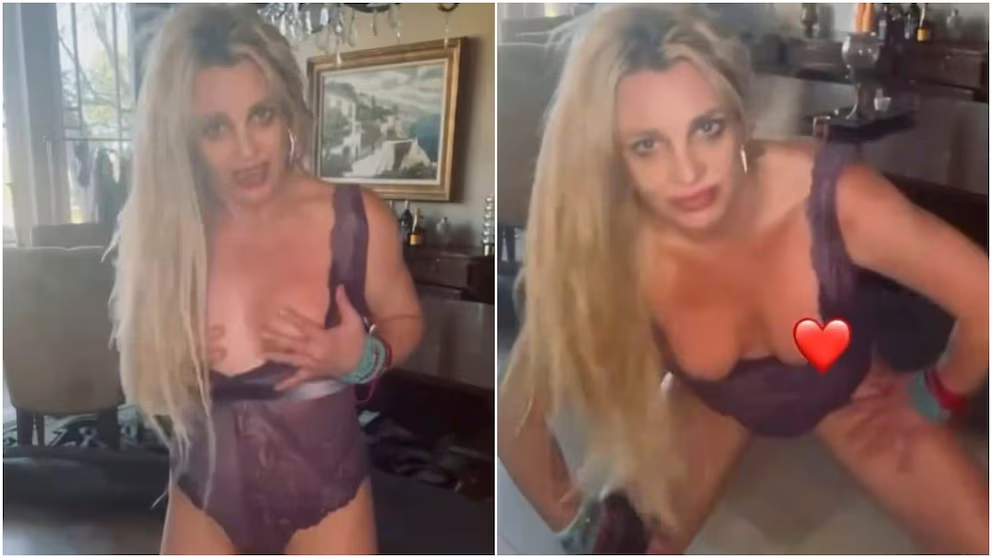
The media response also reveals an industry pattern: when a celebrity’s platform disappears, it is treated as an event in itself, not a technical choice. Spears has deactivated her account before, and that matters because it suggests the act can be part of her established pattern of withdrawing from the feed when attention becomes too intense. Yet repetition does not remove meaning. It simply changes the range of plausible explanations. A deactivation can be self-protection, a response to pressure, a tactical pause, or a legal-adjacent decision advised by others. The public rarely knows which one it is, but the speculation machine runs anyway.
A representative statement reported by major outlets added another layer by calling the incident inexcusable and suggesting that people close to her were discussing a plan to prioritize her well-being and compliance with legal requirements. This kind of statement does two things at once. It acknowledges seriousness without confirming details that should remain private, and it attempts to create a boundary between the incident and the person’s entire identity. It is also a signal to the public that a containment strategy exists, because reputational risk in celebrity crises is often driven by the perception that there is no adult supervision, no plan, no support. Whether that plan is real, sufficient, or effective is impossible to assess from the outside. But in the logic of public narrative, the presence of a plan is part of stabilization.
What often gets lost in these moments is the difference between a legal allegation and a definitive conclusion. Reporting has consistently used “arrested on suspicion” language, and that precision matters. The public tends to treat an arrest as a verdict because it fits the craving for closure. The legal system treats it as the start of a process. When that legal uncertainty collides with social media certainty, the celebrity becomes the battlefield. A last Instagram post turns into a proxy for evidence, and audiences begin arguing about psychology when the actual questions are procedural: what happened, what will be charged, what will be contested, what will be proven.
The deeper structural story is how modern fame collapses public and private time. A person can have a difficult night, and within hours their last post becomes a cultural artifact dissected by millions. The platform is not just a mirror of life, it becomes part of how life is judged. That is why the “last post” framing is so powerful and so dangerous: it invites the audience to treat fragments as diagnosis and aesthetics as proof. In truth, a clip rarely explains an incident. It only shows what the person chose to show before the incident rearranged the frame.
What changes on the wider board is the role of social media in crisis perception. Britney Spears’ last Instagram post did not cause the headlines, but it became the lens through which the headlines were interpreted. In a celebrity economy where platforms function as identity, testimony, and performance at once, the final upload before a disappearance is never just content. It becomes a narrative hinge, whether or not it deserves to be one.
Narrative is power too. / La narrativa también es poder.