

 Phoenix 24
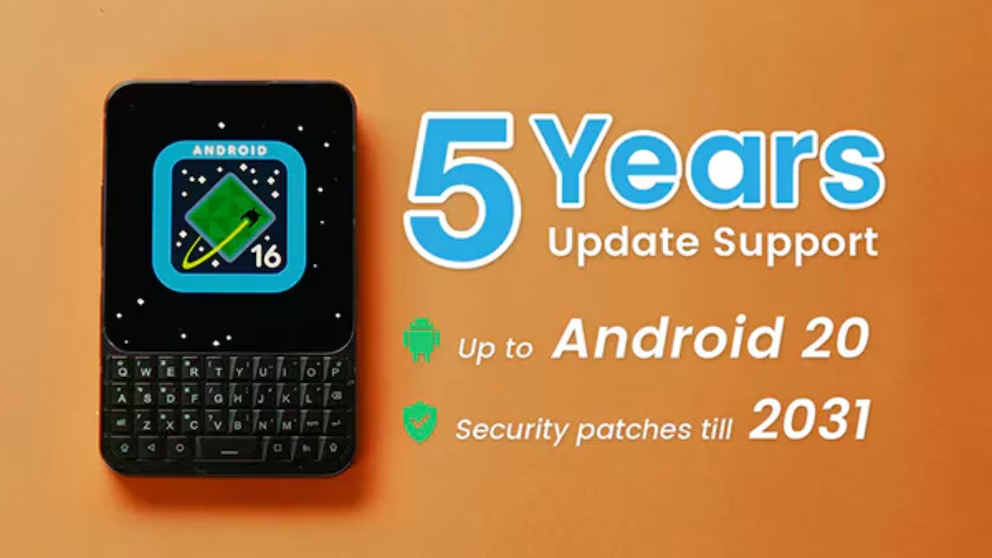
Nostalgia is becoming a hardware category again.
Barcelona, March 2026
The latest wave of headlines about BlackBerry “coming back” with Android says more about market psychology than about a true corporate revival. What is actually returning is the BlackBerry format logic, compact screens, physical QWERTY keyboards, and productivity-first ergonomics, through new devices and accessories from third-party brands, not a confirmed smartphone comeback led by BlackBerry as a phone manufacturer. That distinction matters because the current cycle is mixing nostalgia, product experimentation, and media shorthand into a single narrative that can easily overstate what is happening. The signal is real, but it is different from the headline version. Consumers are showing renewed interest in tactile typing and distraction-resistant mobile design, and companies are trying to monetize that demand.
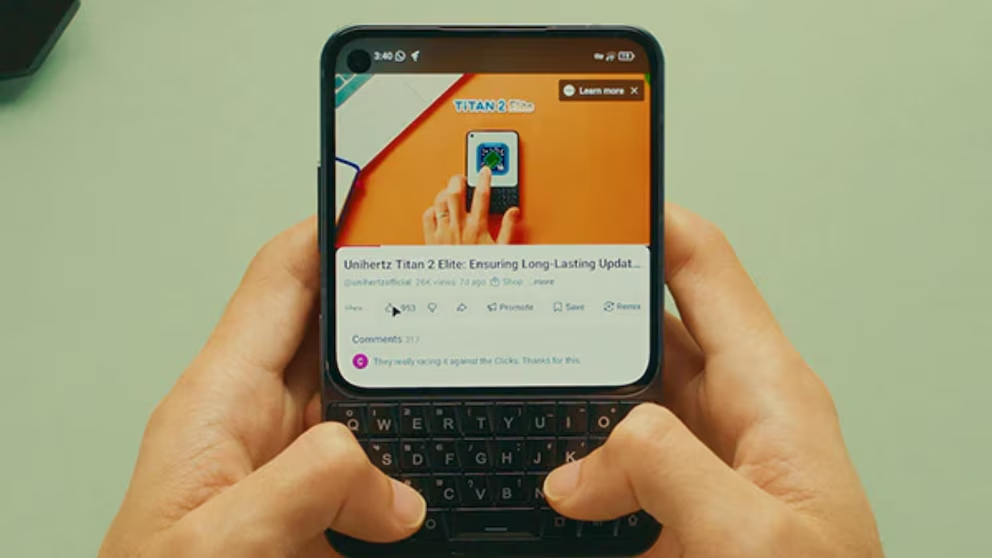
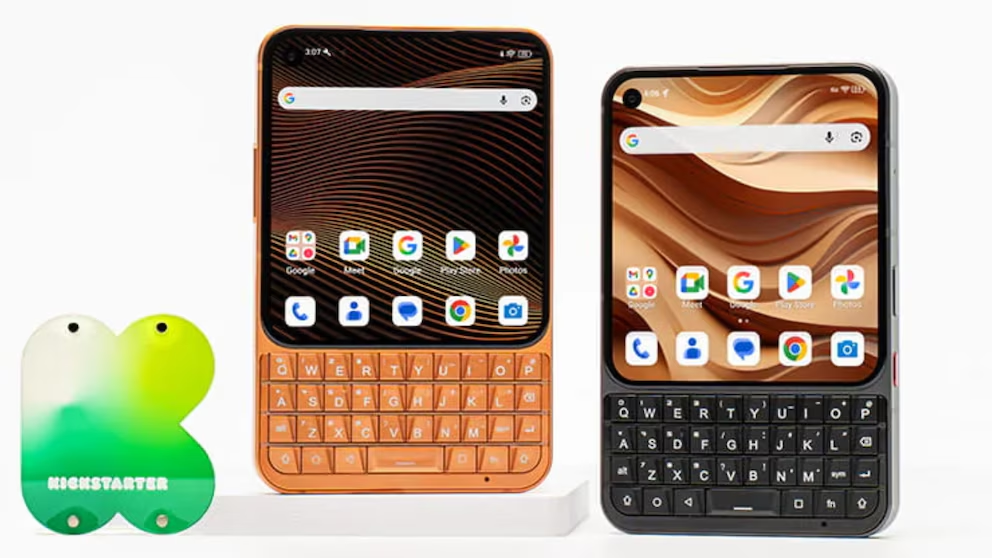
Recent coverage around Mobile World Congress 2026 reinforces that pattern. Multiple tech outlets reported on new Android devices designed in the image of classic BlackBerry phones, especially keyboard-equipped models that deliberately target users who miss physical keys. One of the most visible examples is Unihertz’s new QWERTY smartphone, presented as a more refined successor in its Titan line, with a smaller OLED display, updated hardware approach, and a clearly nostalgia-driven design language. In parallel, accessory makers such as Clicks have continued pushing keyboard-based experiences for modern smartphones, extending the “BlackBerry feel” even when the handset itself is not built around that identity. In other words, the market is reviving the interaction model before it revives the brand.
This matters because the smartphone industry has become highly standardized in form factor, and differentiation through hardware design is now harder than it was a decade ago. For most users, the slab touchscreen remains dominant, but a smaller segment is increasingly attracted to devices that prioritize typing precision, shortcuts, and a more deliberate productivity workflow. Physical keyboards offer a symbolic counterpoint to the endless-scroll design language of modern apps. They promise intentionality, speed, and a sense of control, whether or not they fully outperform touchscreen typing in every scenario. That emotional and ergonomic appeal is exactly why the BlackBerry archetype continues to resurface in product cycles long after the brand’s handset era effectively ended.
At the same time, it is important not to confuse this trend with a formal return of BlackBerry-branded mainstream phones. BlackBerry’s legacy mobile services reached end-of-life years ago, and the company’s strategic focus moved decisively toward enterprise software and secure communications rather than consumer handsets. The long-rumored new BlackBerry smartphone projects associated with earlier licensing attempts never materialized in the way fans expected. Current reporting from technology publications has been consistent on this point: there is no confirmed signal of a major, official BlackBerry handset relaunch under the company itself. What exists instead is a revival of demand for BlackBerry-like hardware concepts and workflows, which is commercially meaningful, but not the same thing.
That nuance is exactly why headlines about “BlackBerry returning with Android” perform so well. They compress a complicated reality into a familiar emotional frame: the comeback story. In media terms, it is efficient and highly clickable. In market terms, however, the more accurate story is that BlackBerry has become a design reference and a cultural shorthand for productivity-era mobile computing. Brands now borrow that reference to position their products against a saturated touchscreen market. Some are targeting enthusiasts and professionals. Others are simply selling nostalgia with updated software. Both can succeed in niche segments without proving that a full-scale BlackBerry revival is commercially viable.
There is also a strategic lesson here for consumer tech. Legacy brands do not always return as companies. Sometimes they return as interfaces, habits, and symbolic design principles that newer firms adapt to current hardware and software ecosystems. The BlackBerry keyboard is one of the clearest examples of this phenomenon. Its persistence shows that innovation in consumer electronics is not always about moving forward in a straight line. It can also involve recovering discarded interaction models when market fatigue creates space for alternatives. In that sense, the current QWERTY resurgence is not merely retro branding. It is a reaction to the limits of touchscreen uniformity.
What changes on the wider board is the way niche hardware is being revalued. The smartphone market may remain dominated by a few major ecosystems, but user frustration with homogeneity is creating openings for specialized devices with strong identity and clear use cases. The renewed visibility of Android phones and accessories inspired by BlackBerry suggests that the next phase of mobile differentiation may come less from raw performance and more from interface philosophy. BlackBerry, as a company, may not be reentering the consumer phone race. BlackBerry, as a product idea, already has.
Phoenix24: clarity in the grey zone. / Phoenix24: clarity in the grey zone.