

 Phoenix 24
Speculation grows fastest where silence is longest.
London, March 2026
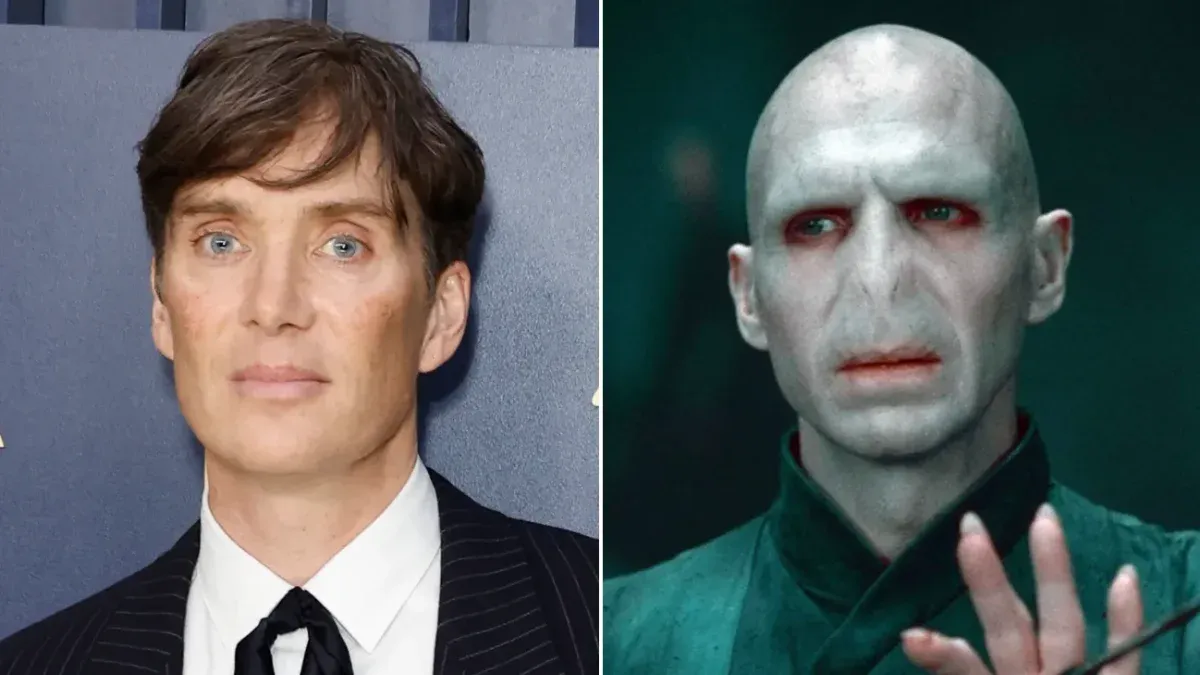
Cillian Murphy’s humorous response to rumors that he could play Voldemort in the upcoming HBO Max Harry Potter series is more than a celebrity denial. It is a reminder of how modern entertainment ecosystems now produce casting narratives long before studios confirm anything, often turning fan desire, media repetition and stray comments from legacy actors into a parallel reality that can feel official even when it is not. Murphy’s reaction matters precisely because the rumor had already matured into a cultural assumption in parts of the audience.
What gave the speculation unusual momentum was not one single report, but the convergence of several factors that made the idea feel plausible. Murphy has the range, screen presence and public prestige to fit the kind of high profile role audiences associate with franchise reboots. At the same time, Ralph Fiennes, whose Voldemort became definitive for the film generation, publicly praised Murphy as an actor, which many fans interpreted less as admiration and more as a coded handoff. In franchise culture, that kind of comment can function like accelerant. It does not confirm anything, but it gives rumor the emotional legitimacy of lineage.
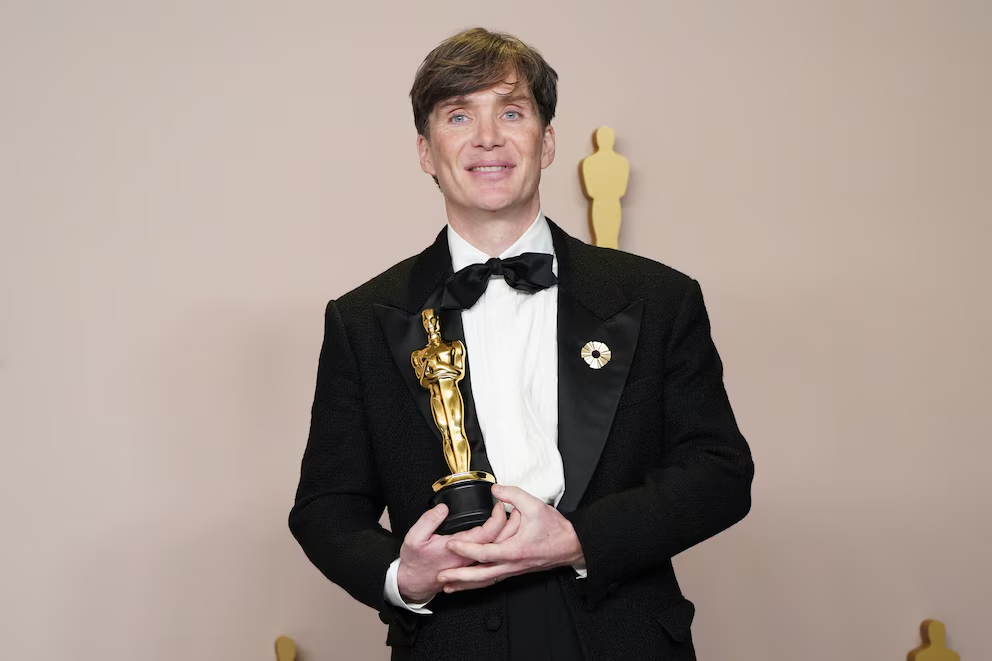
Murphy’s response cuts through that dynamic by doing something strategically effective: denying the rumor without overfeeding it. Humor in these cases is not trivial. It is a communication tool that lowers the temperature, avoids confrontation with fans and protects the actor from getting trapped inside a narrative he did not create. A flat denial can sound defensive. A playful denial preserves distance while also signaling that the actor understands the cultural theater around the rumor. In a media environment built on amplification, tone can be as important as content.
This episode also reveals how contemporary casting speculation works as a form of participatory entertainment. Audiences no longer wait passively for official announcements. They build visual edits, circulate dream casts, reinterpret interviews and create consensus bubbles around hypothetical choices. By the time a studio speaks, the role may already be “occupied” in the public imagination. That is exactly what makes these rumor cycles so powerful. They generate emotional investment before contractual reality catches up. In practical terms, studios benefit from the attention, but actors can become collateral to a storyline they never endorsed.
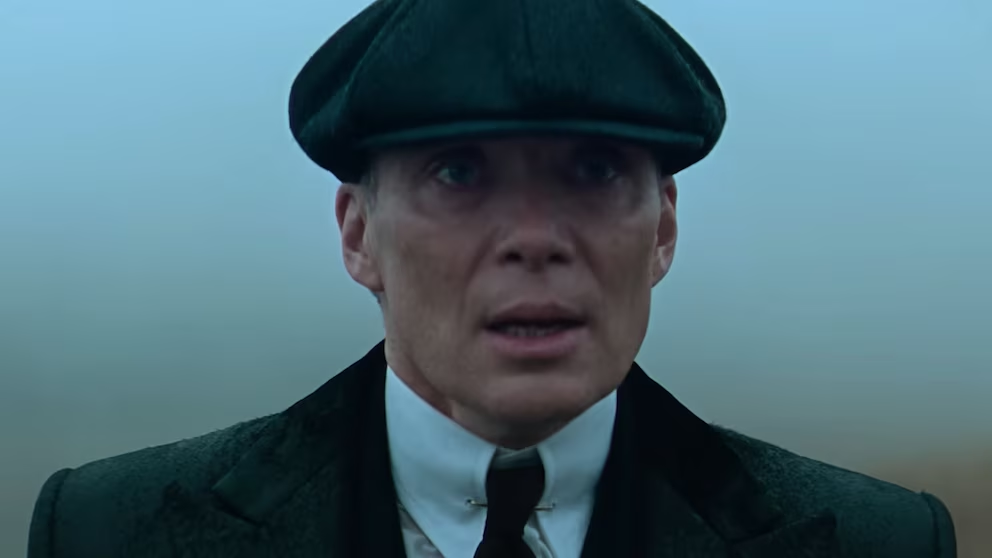
Murphy is a particularly interesting case because his public persona tends to resist the machinery of franchise rumor culture. He is an actor associated with intensity, craft and a relatively controlled relationship with publicity, not with constant fan engagement or self promotional spectacle. That contrast likely made the rumor even more attractive. The idea of someone perceived as serious and elusive entering one of the most commercially visible fantasy franchises created its own narrative tension, and media ecosystems tend to reward exactly that kind of contrast. The rumor was not only about casting fit. It was about symbolic crossover.
There is another layer here that deserves attention: the difference between admiration and evidence. In entertainment coverage, praise from an established actor often gets recoded as insider knowledge, even when it is clearly framed as opinion. Once that recoding happens, the rumor gains a second life because it appears to move from fan speculation into industry territory. This is where narrative drift begins. A compliment becomes a clue, a clue becomes a near confirmation, and a near confirmation becomes headline language that outruns the facts. Murphy’s denial interrupts that drift and restores a basic distinction the coverage often blurs.
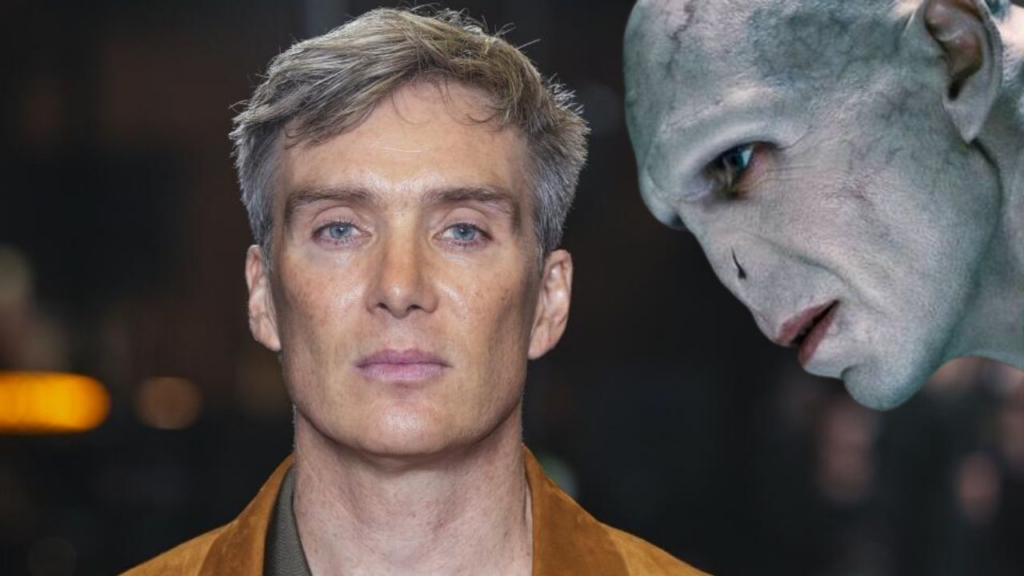
For HBO Max and the Harry Potter series, the broader lesson is not negative. Rumor intensity is also a measure of franchise heat. The fact that Voldemort casting speculation can dominate discussion before official confirmation shows how large the expectation field remains around this adaptation. But it also creates a pressure problem. Every unconfirmed role now sits inside a fan generated benchmark economy where audiences compare imagined outcomes against eventual announcements. The longer the silence, the stronger those benchmarks become. In that environment, casting is no longer only a production decision. It is a narrative management challenge.
From a cultural perspective, Murphy’s response also taps into a wider fatigue with perpetual speculation cycles. Audiences and performers alike are increasingly living inside a media stream where every possibility is treated as pre news. A joke, a compliment or a red carpet answer can produce days of coverage and social media certainty. Humor becomes a way to puncture that certainty without escalating conflict. In that sense, Murphy is not only answering a Voldemort question. He is modeling a way of stepping outside the algorithmic pressure to confirm, deny and perform relevance on demand.
The key point is that the rumor mattered because it was believable, but believability is not proof. Murphy’s reaction resets that boundary while preserving the lightness needed in a fandom environment that thrives on projection. It also reveals a deeper truth about contemporary entertainment coverage: the battle over a role often begins long before casting, in the symbolic space where fans, media and legacy figures co produce expectation. By the time the studio announces anything, the first story has already been written. Murphy, with one wry response, simply reminded everyone that it was fiction.
Phoenix24: journalism without borders. / Phoenix24: periodismo sin fronteras.