

 Phoenix 24
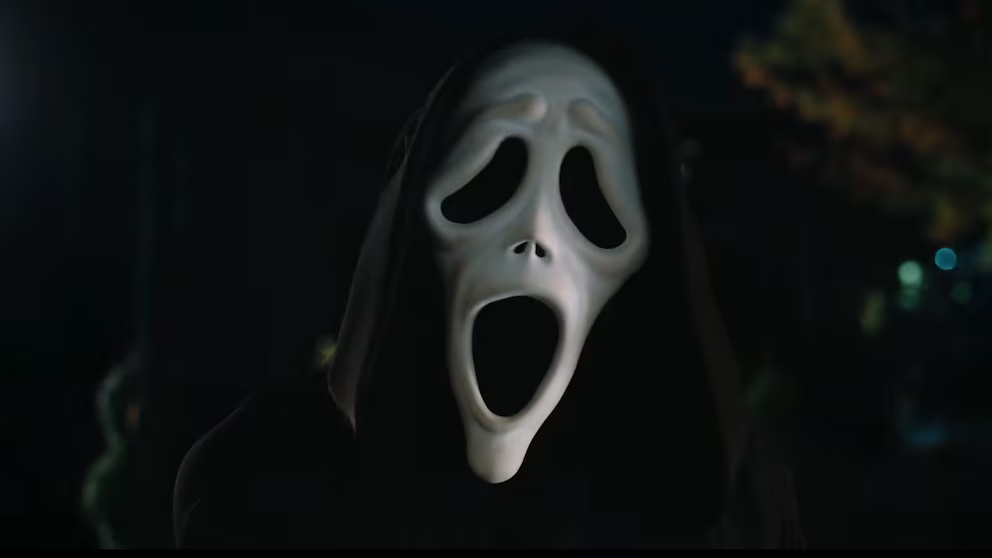
Parody survives by attacking the new consensus.
Los Angeles, March 2026
The official trailer for Scary Movie 6 does more than announce the return of a legacy comedy franchise. It signals an attempt to reclaim a type of mainstream parody that had nearly disappeared from theaters while testing whether audiences still want comedy that mocks everything at once. The new promotional push is being framed around excess, irreverence and boundary breaking humor, with the return of key creative DNA from the Wayans orbit and the revival of familiar franchise faces. That combination matters because the film is not being sold as a simple sequel. It is being positioned as a generational reset of a format that once dominated studio comedy and then lost cultural centrality.
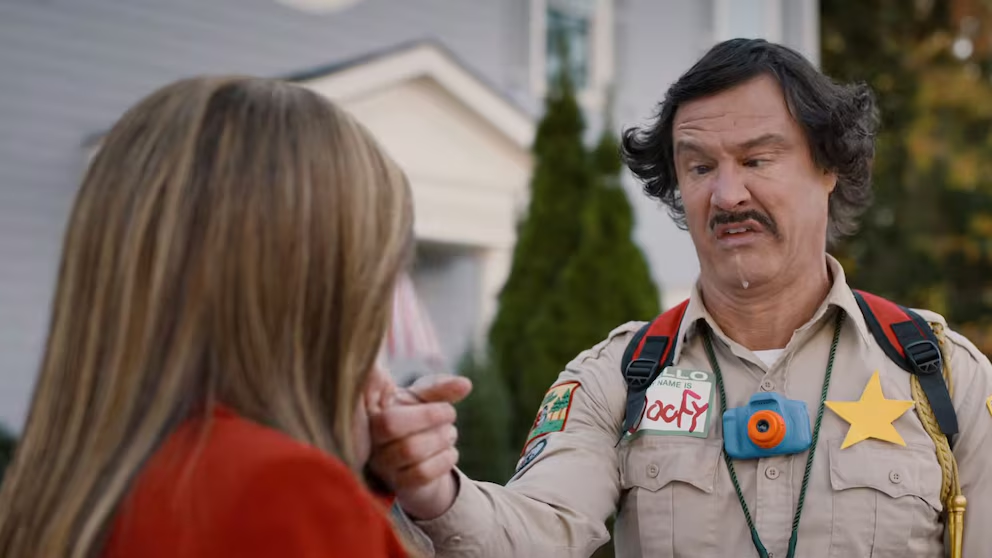
What gives this trailer real weight is the strategic timing. Franchise parody now returns to a cinematic environment shaped by nostalgia cycles, horror reboots and a fragmented audience trained by social platforms to consume clips faster than full setups. In that context, Scary Movie 6 is trying to perform two tasks at once. It must reassure older viewers that the original irreverent energy is back, while also proving to younger audiences that broad parody can still feel current rather than archival. That is a difficult balance, because parody ages faster than most genres when its references expire or its rhythm no longer matches the media culture it is mocking.
The project’s strongest asset is the symbolic return of the Wayans connection and the recognizable faces associated with the franchise’s early identity. That matters less as pure nostalgia and more as brand legitimacy. Over time, the Scary Movie name survived, but its creative center became uneven in public memory after the original formula evolved without the same core architects. Bringing back familiar names allows the new installment to present itself as restoration, not merely continuation. In franchise terms, that is a powerful move because it reframes the sixth entry as a corrective event rather than just another numbered release.
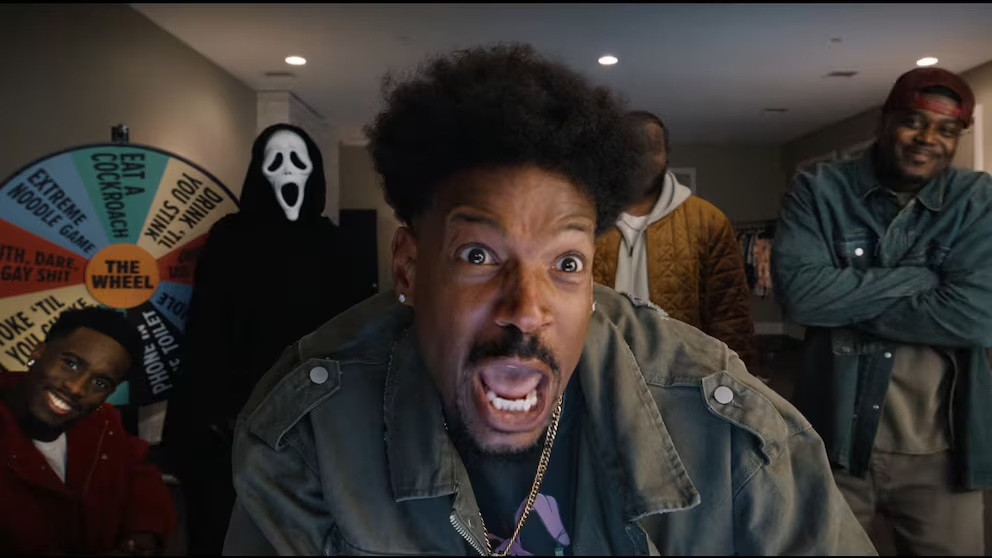
The trailer strategy also appears designed to exploit a meta advantage: placing the preview in front of a major horror title and leaning into the historical connection between the parody franchise and the slasher icons it once cannibalized for comedy. That decision does more than target the right audience. It rebuilds the original ecosystem where Scary Movie thrived, namely the overlap between horror fandom and comedic deconstruction. The message is clear. The film wants to reinsert itself into the same conversation as the genre it mocks, not remain a nostalgic artifact circulating only online.
There is a broader industrial pattern behind this return. Hollywood has been comfortable rebooting horror, action and superhero franchises, but broad theatrical comedy has struggled to recover the same confidence, especially in forms that depend on rapid cultural references and offensive risk. Scary Movie 6 enters that gap with a high volatility proposition. If it lands, it could reopen commercial appetite for theatrical parody as a live format rather than a relic of the early 2000s. If it fails, it may reinforce the industry belief that this style now belongs more to internet sketch culture than to multiplex releases.
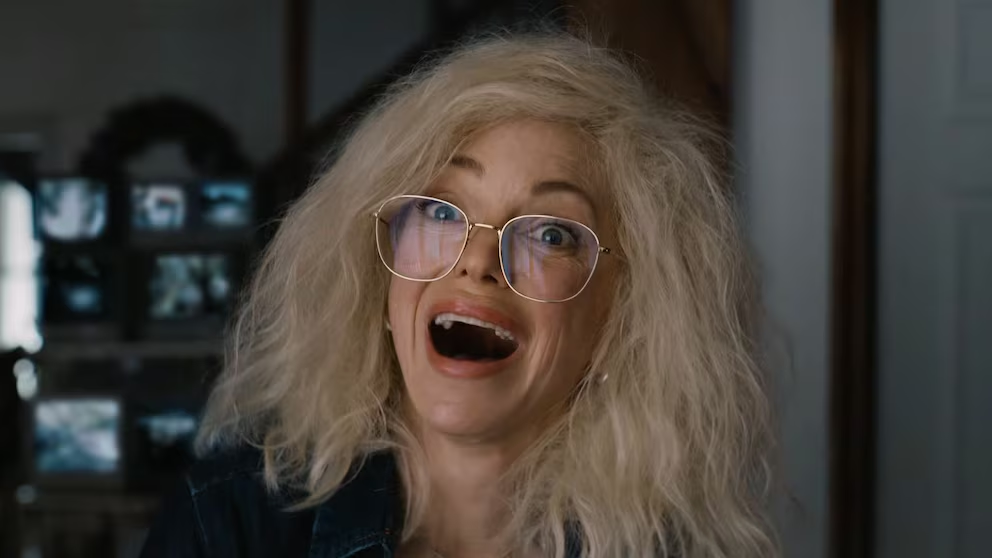
The phrase that the film will “break all limits” of humor is, of course, promotional language, but it still points to something real in the current media climate. Comedy today operates under a contradictory pressure system. Audiences demand originality and boldness, yet they also respond instantly to tone, target choice and perceived political intent. A franchise built on indiscriminate parody now returns to a landscape where every joke can be isolated, clipped and judged outside its narrative context. That does not make comedy impossible, but it raises the stakes of execution. Shock without craft now burns out quickly. The film will need precision, not only provocation.
There is also a generational question embedded in the marketing. Older viewers remember Scary Movie as a disruptive studio comedy brand. Younger audiences may know it more as a meme object or as inherited pop culture vocabulary. The trailer therefore functions as an onboarding device as much as a hype tool. It has to teach the franchise’s rhythm to one segment while activating recognition in another. This is why the emphasis on returning cast members and creators is strategically useful. It anchors the film in continuity while allowing new references and targets to do the updating work.
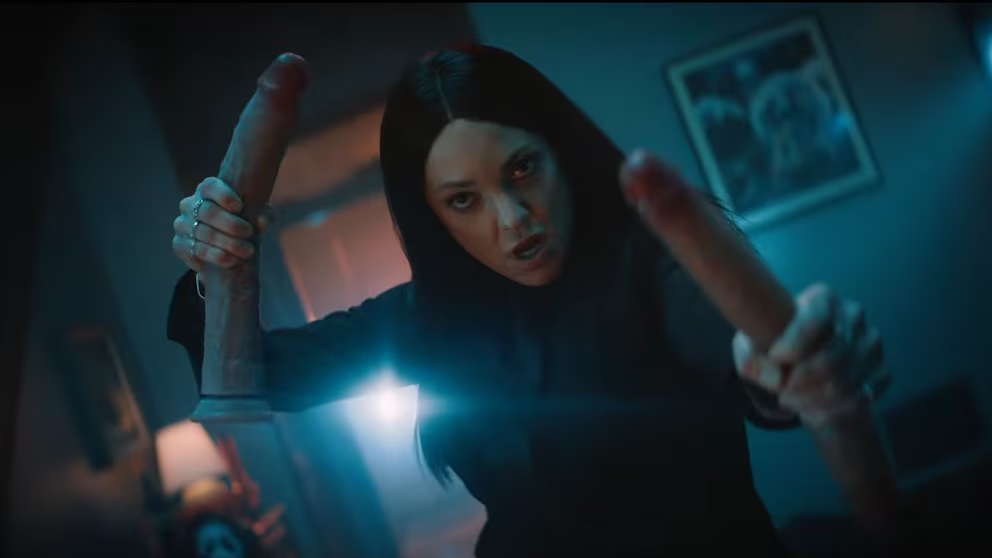
From a Phoenix24 lens, the most interesting element is not whether the movie will be “too much,” but what its return says about cultural mood. Parody tends to come back when audiences are saturated by franchise seriousness, genre self importance and algorithmically flattened humor. In that sense, Scary Movie 6 is not just a sequel. It is a market test for whether mainstream viewers still want comedy that treats the entire audiovisual ecosystem as material for mockery. The trailer suggests the studio believes the window is open.
What happens next will depend on whether the film can do what the trailer promises: convert nostalgia into present tense relevance without becoming a museum piece of old comedic instincts. The franchise built its name by mocking horror’s formulas at the exact moment they needed puncturing. Now it returns to a more crowded and more sensitive media environment, where the target is bigger than horror alone. If the film succeeds, it will not be because it went further. It will be because it understood what, exactly, the current culture is ready to laugh at again.
Phoenix24: journalism without borders. / Phoenix24: periodismo sin fronteras.