

 Phoenix 24
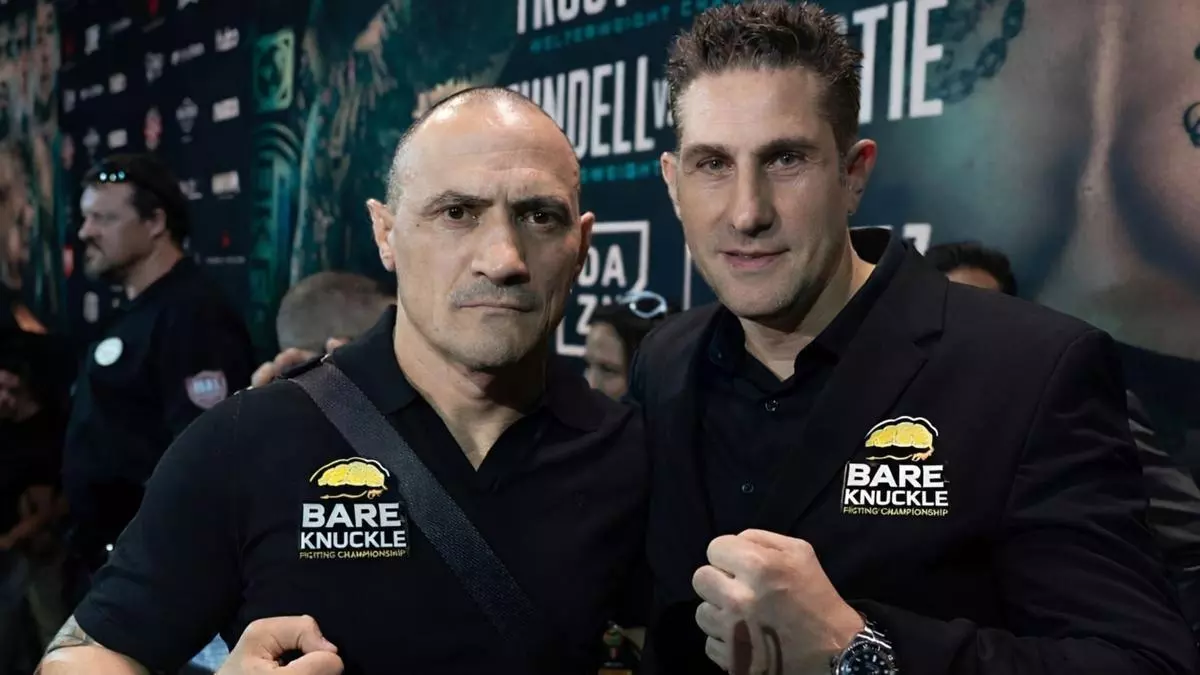
This is not spectacle, it is pipeline building.
Madrid, February 2026.
Conor McGregor’s expected presence in Madrid for BKFC tryouts is more than a promotional cameo. It signals a strategic move by Bare Knuckle Fight Championship to deepen its talent infrastructure in Europe and use Spain as a staging ground for expansion. What looks, on the surface, like a one day selection event is in fact a market test, a recruitment mechanism, and a branding operation rolled into a single format. In combat sports, that combination matters because growth is rarely sustained by headline fighters alone. It depends on whether a promotion can industrialize discovery.
The Madrid tryouts are designed as a structured evaluation process rather than open sparring theater, and that distinction is central to understanding their purpose. BKFC is not just creating an event for fans or social media clips. It is building a filter to identify prospects capable of entering its development system with immediate professional utility. The promise of access to the New Blood pathway, and even the possibility of a direct Golden Ticket into a numbered event, transforms the session from a local gym activation into a competitive audition with transnational implications for fighters across Europe.
Spain is a logical venue for this kind of operation. The country already offers a strong combat sports culture, growing event infrastructure, and a geographic position that connects Southern Europe, Latin audiences, and broader Mediterranean circuits. BKFC’s return also carries symbolic continuity after its previous high visibility stop in Marbella, where the promotion gained attention through a title fight result that reinforced Spain’s viability as more than a temporary host market. Madrid now raises the stakes by shifting the focus from event consumption to talent extraction.
McGregor’s role in this equation should be read carefully. His value to BKFC is not limited to ownership optics or celebrity draw. He functions as a credibility amplifier for emerging fighters who may otherwise see bare knuckle as a fragmented or peripheral route. When a figure of his global recognition is linked to recruitment activity, the signal to athletes changes. The opportunity begins to look less like a niche gamble and more like a legitimate pathway into a visible combat platform. That perception can materially affect turnout quality, not just turnout volume.
There is also a commercial logic behind staging tryouts in a city like Madrid instead of relying exclusively on established Anglo American pipelines. Combat sports promotions increasingly compete not only for viewers, but for unsigned talent before rivals can shape them. By entering local ecosystems earlier, promotions can identify athletes with transferable skill sets from boxing, kickboxing, MMA, or amateur striking backgrounds and integrate them before the market fully prices their potential. A tryout, in that sense, is not a side event. It is early stage acquisition under a performance lens.
The event’s organizational setup reinforces that interpretation. Collaboration with local representation networks and the presence of BKFC development leadership suggest an effort to build operational continuity rather than a one off media appearance. If the Madrid process yields contracts on site, as announced, BKFC is effectively compressing scouting, assessment, and onboarding into a single controlled environment. That is efficient for the company, but it also raises competitive pressure on participants, who must perform under both technical and symbolic scrutiny while the promotion evaluates readiness and marketability at once.
What makes this moment particularly interesting is the broader reconfiguration of combat sports boundaries. Disciplines that were once treated as separate audiences now overlap through streaming, short form content, and fighter mobility. Bare knuckle promotions benefit from this shift because they can recruit from multiple combat backgrounds and market intensity as a premium product. Spain’s role in the current BKFC move reflects that convergence. The promotion is not merely exporting an American format. It is adapting its talent strategy to a European environment where combat identities are increasingly fluid.
Still, expansion through recruitment events carries risk. If a promotion scales visibility faster than quality control, it can generate short term attention while weakening long term legitimacy. That is why the emphasis on structured evaluation matters as much as McGregor’s name. BKFC needs these tryouts to produce athletes who can compete credibly, protect the brand’s standards, and sustain future events beyond celebrity association. In practical terms, Madrid is not just a talent search. It is a test of whether the promotion can institutionalize its European growth without diluting its competitive threshold.
The deeper pattern is that combat sports are entering a phase where talent pipelines are becoming as strategically important as championship cards. McGregor’s Madrid appearance, whether read as marketing or management, fits that shift precisely. The real story is not only that a global star arrives for tryouts. It is that a promotion is using Spain to turn recruitment into expansion architecture, and in doing so, redefining how a fight company grows influence before the next big event even begins.
Phoenix24: journalism without borders. / Phoenix24: periodismo sin fronteras.