

 Phoenix 24
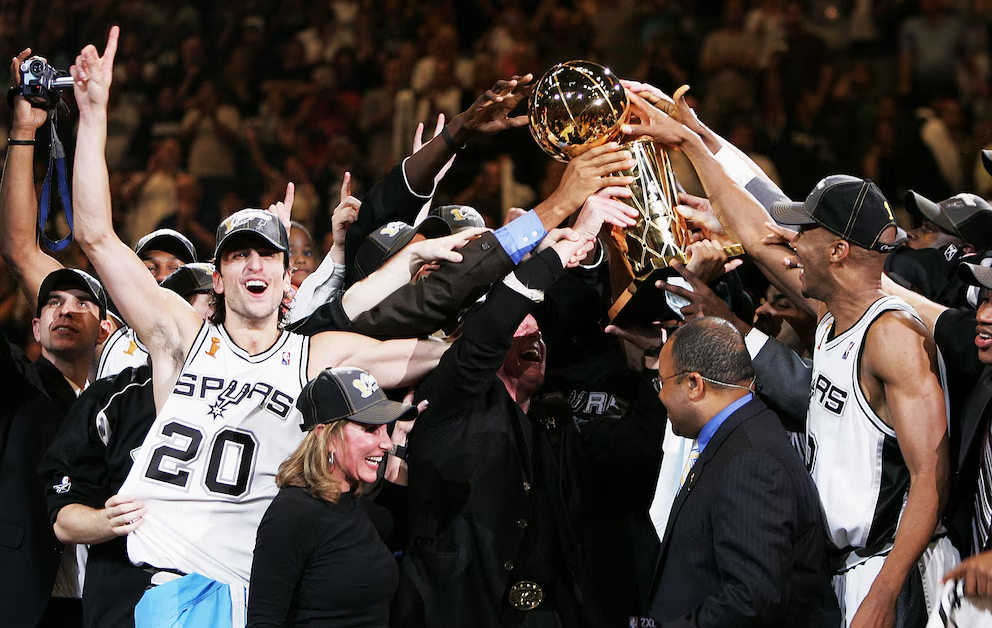
Greatness sometimes lives off the bench.
Los Angeles, February 2026.
The most telling tributes in sport rarely come from commissioners or ceremonial anniversaries. They come from rivals who have lived inside the same grind and understand the hidden mechanics of sacrifice. That is why Jamal Crawford’s recent praise for Emanuel Ginóbili landed with unusual weight around the All Star weekend in Los Angeles. Crawford, a three time Sixth Man of the Year and one of the cleanest scoring specialists the league has produced, did not hedge his words. In a televised interview with TNT Sports, he said Ginóbili was the best sixth man in NBA history, even above himself and other modern icons of the role.
On the surface, it sounds like a compliment inside a familiar debate, the kind sports media loves because it is simple to package. Underneath, it reveals a deeper hierarchy that fans often miss. There is a difference between being an elite bench scorer and being a starter level player who chooses the bench as a strategic weapon. Crawford’s point was precisely that distinction. He framed Ginóbili as a player who could have started anywhere, yet accepted a secondary entrance so his team could control tempo, matchups, and closing sequences without losing force. In an era obsessed with individual status, that choice becomes its own form of authority.
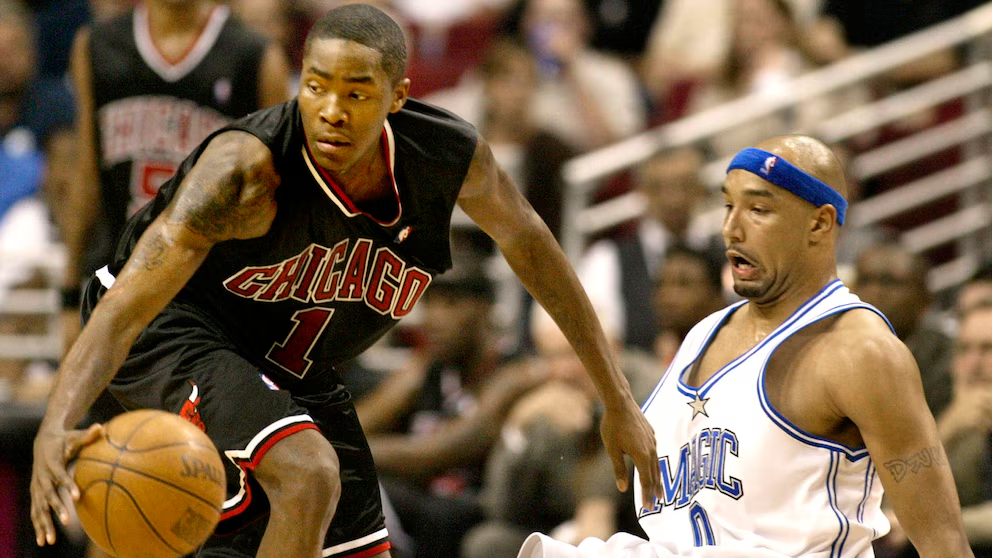
Crawford also admitted something most athletes avoid saying out loud: specialists are easier to classify than disruptors. He described himself as more narrowly defined, while portraying Ginóbili as a complete system breaker, someone who could handle, pass, slash, draw contact, and defend with timing rather than raw power. That blend matters because the sixth man role is not simply about points off the bench. It is about altering the geometry of a game when the first unit’s rhythm has hardened and the opponent believes it has mapped your patterns. Ginóbili’s value was that he did not merely replace a starter. He changed the logic of the possession.
This is where the power structure inside elite basketball becomes visible. Starting is a status, but finishing is leverage. Teams that win at the highest level tend to have a small number of players who decide the late minutes, regardless of who was announced in the opening lineup. Ginóbili’s reputation was built in those compressed spaces where defenses tighten, referees swallow whistles, and the game becomes a negotiation of nerve. Crawford’s praise was a reminder that the most consequential player on the floor is often the one who arrives with fresh legs and no fear of chaos.
Ginóbili’s career offers the statistical spine that makes the mythology defensible. NBA records and ESPN’s statistical archives place him at over a thousand regular season games, with production that looks modest only if you ignore context: minutes managed, roles changed, and a system designed to distribute spotlight. His teams won four championships in San Antonio, spanning different eras of the league and different versions of the Spurs identity. He also won the Sixth Man of the Year award once, a single trophy that now looks almost ironic given how frequently he is treated as the template for the award itself.
The international layer is what turns this story into more than a domestic nostalgia cycle. Ginóbili is not only an NBA figure, he is a global basketball artifact. Before the league made him a household name, he had already built legitimacy in Europe, including a EuroLeague title with Virtus Bologna. Later, with Argentina, he helped lead the team to Olympic gold in Athens, a result that still stands as one of the rare moments in the modern era when a non United States roster reached the top of the podium in men’s basketball. FIBA’s historical framing of that run is clear: it was not a fluke, it was a tactical statement about cohesion, spacing, and mental endurance.

That matters because Crawford’s comment did not emerge in a vacuum. It reflects the broader shift in how the NBA understands “international” excellence. The league’s current center of gravity includes a wave of non American superstars who have changed how talent is evaluated and how styles travel. In that environment, Ginóbili functions as a bridge figure. He arrived when the international pipeline still had to prove it could handle NBA physicality and politics, then helped normalize the idea that global basketball IQ is not decorative, it is competitive advantage. The Naismith Memorial Basketball Hall of Fame induction he received underscores that his legacy is treated as structural, not sentimental.
There is also a quiet moral in Crawford’s statement, aimed at the present without naming it. Modern stars often negotiate roles as personal brands, and teams often accommodate them because marketing follows headlines. Ginóbili came from a different logic. He accepted role ambiguity because the team’s architecture demanded it, and because he trusted that influence would show itself when it mattered. That kind of sacrifice is easy to praise after the fact, yet hard to reproduce in real time, especially in a league where contracts, narratives, and social media reward visible dominance.
So when Crawford calls him the greatest sixth man, he is not simply crowning a highlight reel. He is defining a leadership model: the player who can start, chooses not to, and still ends up shaping the final outcome. It is a form of power that looks like humility until you realize it is actually control. The bench, in that reading, is not a demotion. It is a launch point.
What makes the tribute resonate is that it came from someone who has every credential to claim the throne himself. Crawford’s career as a scorer off the bench is historically significant, and he knows exactly what it costs to carry a second unit night after night. When that kind of specialist calls Ginóbili number one, he is effectively saying the category has two tiers: those who mastered the role, and the one who redefined it. That is not a casual compliment. It is a transfer of authority from one expert witness to another.
Más allá de la noticia, el patrón. / Beyond the news, the pattern.