

 Phoenix 24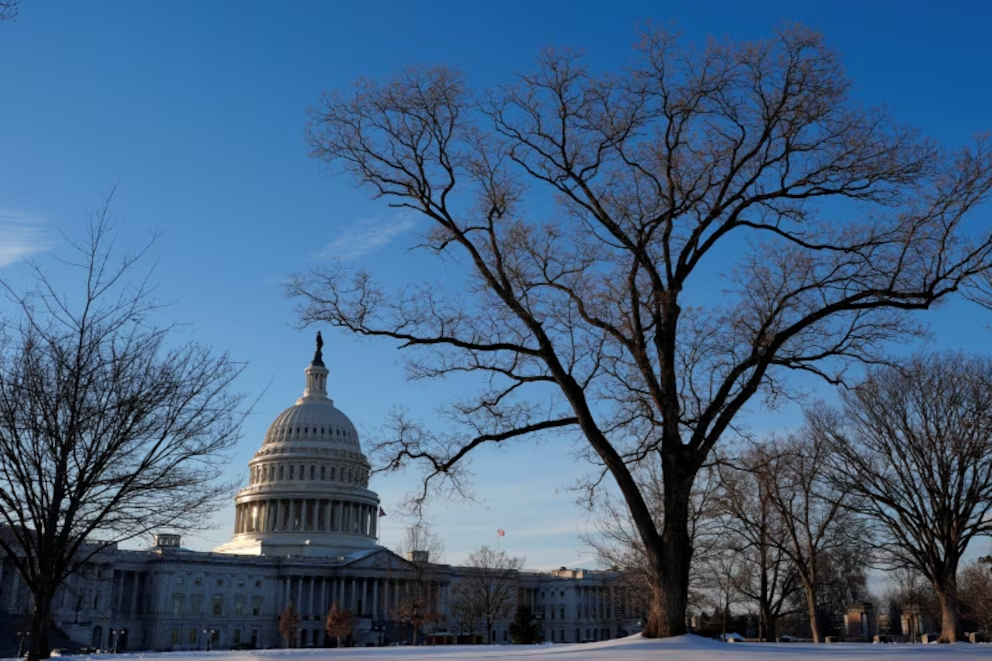
Bipartisan action in Congress averted a fiscal crisis, but questions remain about long-term fiscal strategy and political cohesion.
Washington, February 1, 2026. The United States Senate approved a budget bill late this week that prevented an imminent government shutdown, marking a rare moment of bipartisan cooperation in a deeply divided political era and delivering short-term certainty for federal agencies, military operations and social services. Lawmakers had been facing a looming deadline that, if unmet, would have forced large swaths of the federal government to close or operate on emergency measures, disrupting programs and creating uncertainty for millions of Americans who rely on regular government functions.
The approved budget package provides funding for key departments and services through the current fiscal year, addressing appropriations for defense, infrastructure, healthcare and social safety net programs. Senate leaders emphasised that the agreement represents a compromise balancing competing priorities, with adjustments to discretionary spending levels accompanied by assurances that critical services will remain fully operational. While the measure passed with notable support from both major parties, some members expressed reservations about specific allocations and underlying policy implications, highlighting ongoing tensions in how to balance fiscal discipline with societal needs.
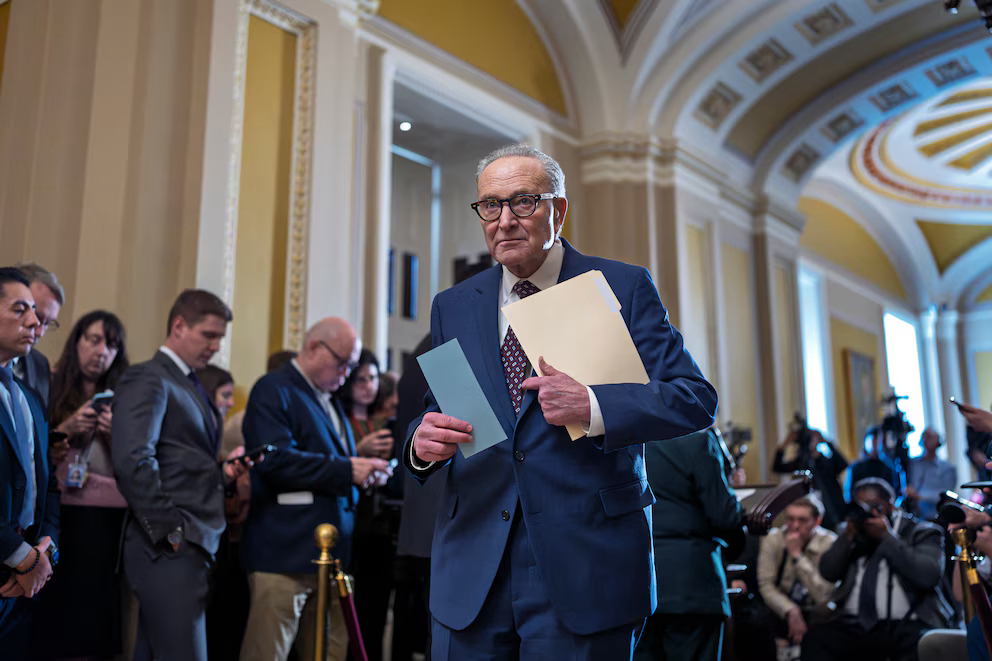
In the weeks leading up to the Senate vote, negotiations among lawmakers featured intense debates over funding levels, program priorities and broader economic concerns. Republican members called for restraint in discretionary spending and greater oversight of certain federal initiatives, while Democratic lawmakers advocated for robust support for social programs and investments in areas such as education, healthcare and climate resilience. The resulting budget reflects concessions on both sides, with combined funding increases in select sectors and targeted limits in others to maintain overall fiscal balance.
Avoiding a government shutdown was a key motivation for many legislators, particularly given the potential economic and social costs associated with halted operations. Past shutdowns have been linked to delayed services, furloughed government employees and broader economic drag as consumer and business confidence wavers. By reaching an agreement before the deadline, senators helped sustain stability in federal operations and provided reassurance to domestic and international observers concerned about U.S. economic management.

Even so, the temporary nature of the budget agreement means that broader questions about long-term fiscal policy remain unresolved. Lawmakers and policy analysts have noted that while the immediate crisis was averted, structural debates over revenue, entitlement reform, deficit dynamics and investment priorities are likely to return in future budget cycles. The current agreement, designed to maintain continuity, does not resolve these larger issues but instead buys additional time for more comprehensive strategy discussions.
President of the United States praised the Senate’s action as a responsible step that protected essential services and upheld the nation’s reputation for political stability. In remarks to the press following the vote, the president highlighted the importance of bipartisan compromise and underscored that the budget avoids disruptions that would have had serious consequences for everyday Americans, from veterans relying on medical benefits to families awaiting critical social assistance.
Opposition figures outside the Senate responded with a mix of approval and critique. Some commended the avoidance of a shutdown and the preservation of government services, while others criticised elements of the compromise they feel do not go far enough in addressing fiscal sustainability or in prioritising urgent societal needs. This range of response reflects a political landscape where short-term agreements can provide necessary certainty but do not always satisfy all stakeholders.
Economists observing the development noted that financial markets generally responded positively to the avoidance of a shutdown, viewing it as a stabilizing event for government creditworthiness and broader economic confidence. However, they also flagged that unresolved structural fiscal challenges — including long-term deficits and debt dynamics — remain key variables for future economic projections.
The approved Senate budget underscores the complexity of governing in an era of divided priorities, where near-term crisis management must be balanced with long-term strategic planning. While the avoidance of a shutdown offers relief, the broader fiscal debate is far from concluded and will demand continued attention from policymakers.
Behind every budget agreement lies a negotiation of values, priorities and the balancing act that defines how governments sustain service, stability and growth.