

 Phoenix 24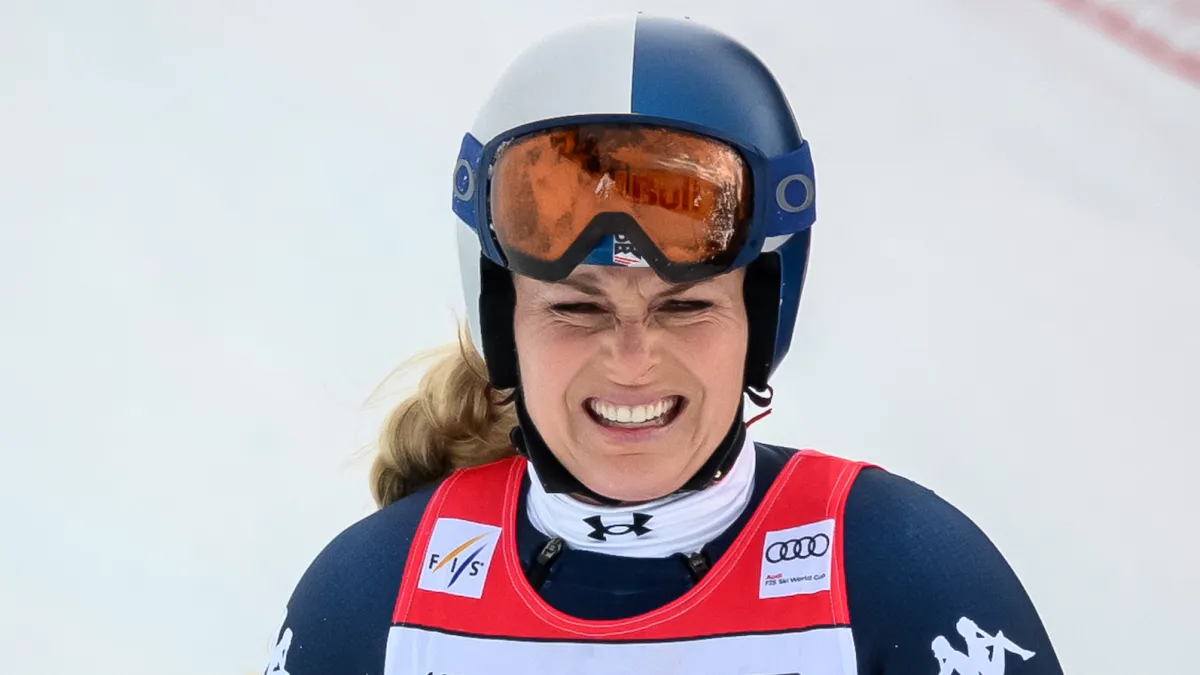
After a remarkable comeback from a knee injury, a devastating crash days before the Games raises questions about resilience, recovery and the harsh realities of elite sport.
Rio de Janeiro, February 1, 2026. A veteran equestrian rider who had defied the odds to return to competition at age 41 following a long rehabilitation from a severe knee injury suffered a dramatic crash just days before the Olympic Games, leading to an emergency helicopter evacuation and intensifying concern within the sporting community. The athlete’s journey back to elite competition had been hailed as an inspiring testament to perseverance, discipline and refined technical preparation in a sport where balance and precision are paramount. Months of grueling therapy, conditioning work and incremental re-entry into competition culminated in qualification for the Olympics, an achievement that underscored both her passion for the sport and her commitment to long-term physical and mental resilience.
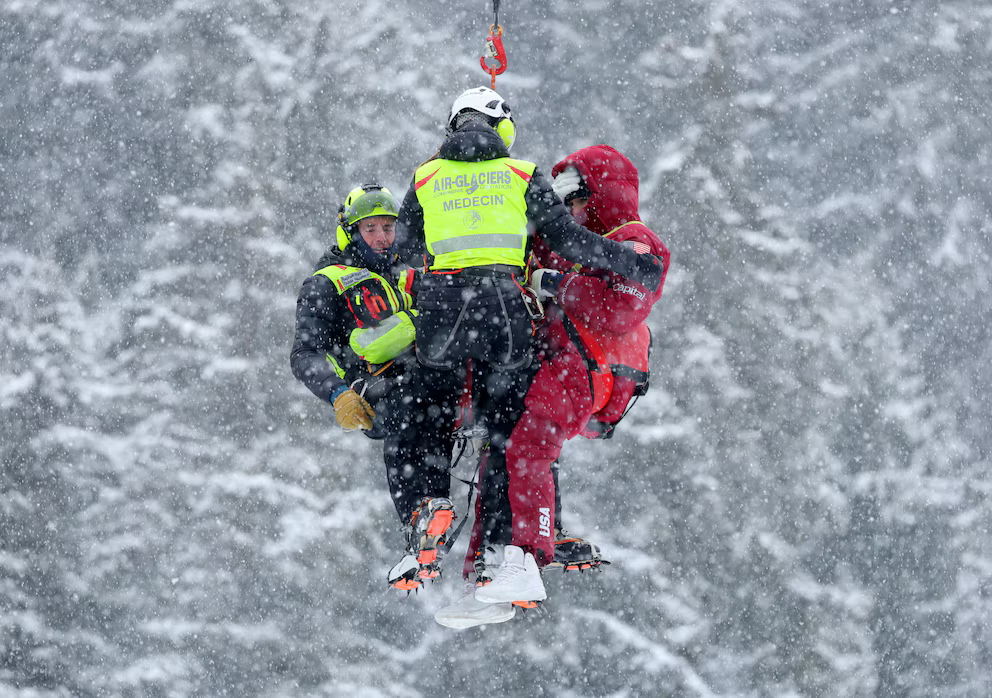
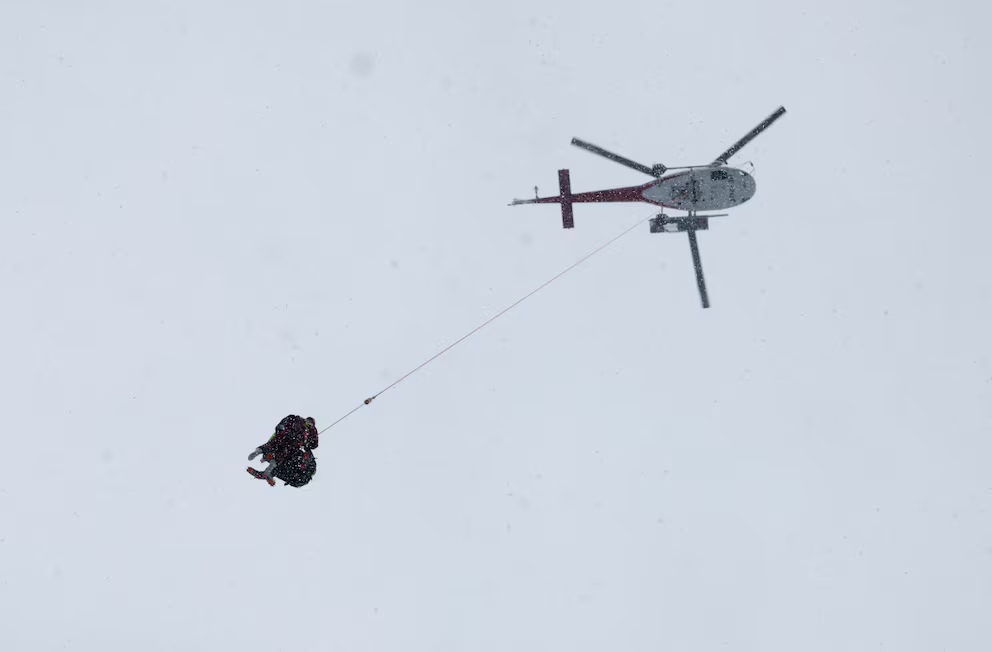
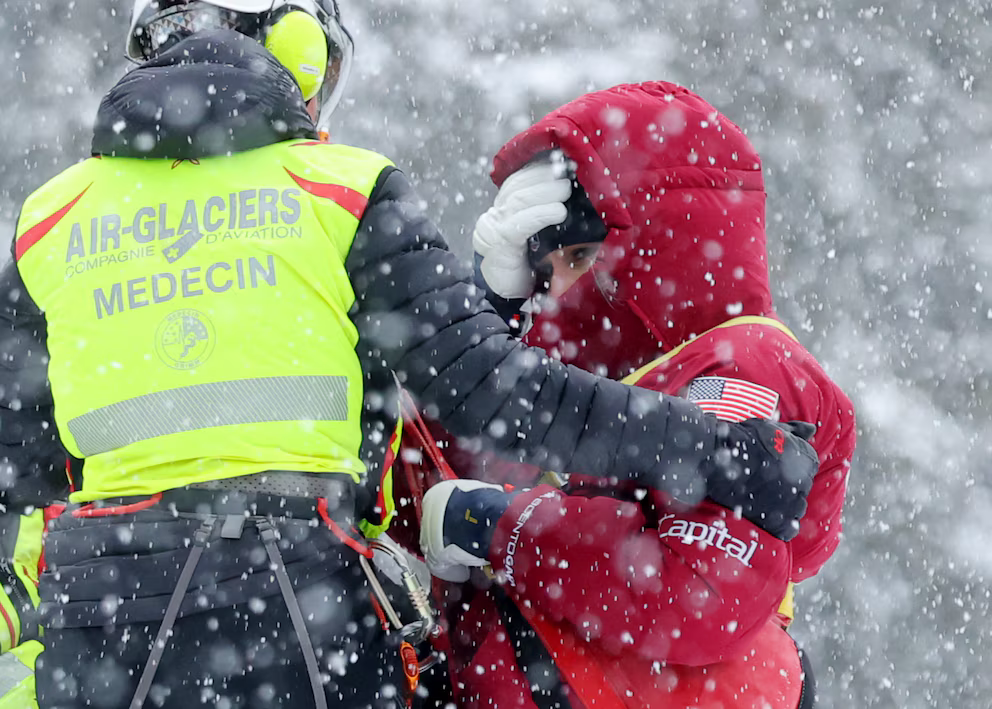
Tragedy struck during a final preparatory event when a momentary loss of control resulted in a high-impact fall, leaving the rider unable to regain her feet and prompting immediate medical response. The helicopter evacuation underscored the severity of the situation and the urgency with which medical personnel sought to stabilise her condition. While the extent of her injuries has not been fully disclosed, sources close to the athlete indicated that precautionary measures were implemented to prevent further harm and to allow comprehensive assessment by specialists.
The news sent shockwaves through the equestrian and wider Olympic community, where athletes of all disciplines have long admired her determination to return to peak competition after a debilitating injury that many believed would end her career. In interviews following her comeback, she spoke candidly about the physical and psychological challenges of rehabilitation, acknowledging that confronting the possibility of never returning was as intense a battle as the injury itself. Her persistence became a source of motivation for fellow competitors and fans alike, highlighting how elite athletes navigate setbacks that test both body and spirit.
Equestrian sport, unlike many others, merges the capabilities of human and animal, requiring both rider and horse to operate in synchrony. The trust between competitor and mount, refined over countless hours of training, amplifies the impact of any mishap. Riders must manage variables that range from terrain and tempo to split-second judgements at jumps and turns. High stakes and fine margins define competition outcomes, meaning that even a momentary misalignment can have significant consequences. This reality makes the athlete’s prior comeback all the more remarkable, as it involved recalibrating physical capacity while maintaining connection and communication with her equine partner.
While medical evaluations continue, tributes and well wishes from peers have streamed in, with athletes across disciplines expressing solidarity and admiration for her courage. Many highlighted how her story had already transcended mere results, becoming emblematic of the broader athletic experience: a narrative in which setbacks are chapters, not conclusions, and where resilience can redefine the meaning of success. Coaches and sports scientists weighed in as well, noting that the evolution of injury rehabilitation strategies and advances in strength and conditioning frameworks have extended the competitive longevity of athletes in disciplines once considered unforgiving to older competitors.
Despite the immediate situation, many within the sporting world see her presence at the Olympics as a milestone in itself, even if circumstances now prevent her from competing. The mere fact that she reached this stage at 41, long after her knee injury, challenges preconceived notions about age, recovery and the physical limits of human performance. Her narrative has contributed to a growing discourse on how athletes manage career arcs, balance risk with aspiration and cultivate psychological resilience in the face of unpredictable outcomes.
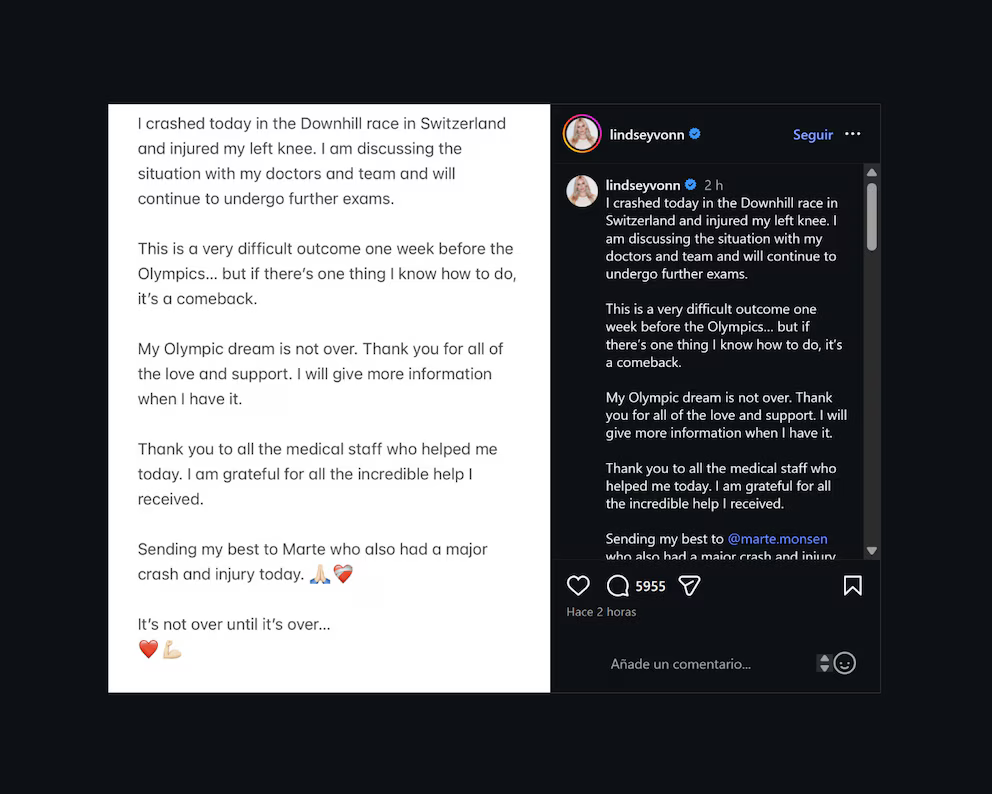
As she undergoes care and family, friends and supporters await further updates, reflections on her journey have become part of the larger conversation about athlete welfare, the unpredictable nature of elite competition and the human stories that animate global sporting events. Her experience underscores both the exhilaration and the fragility inherent in pursuing athletic excellence at the highest levels.
Behind every return lies a story of pain, purpose and persistence that defines the grit required to compete among the world’s best.