

 Phoenix 24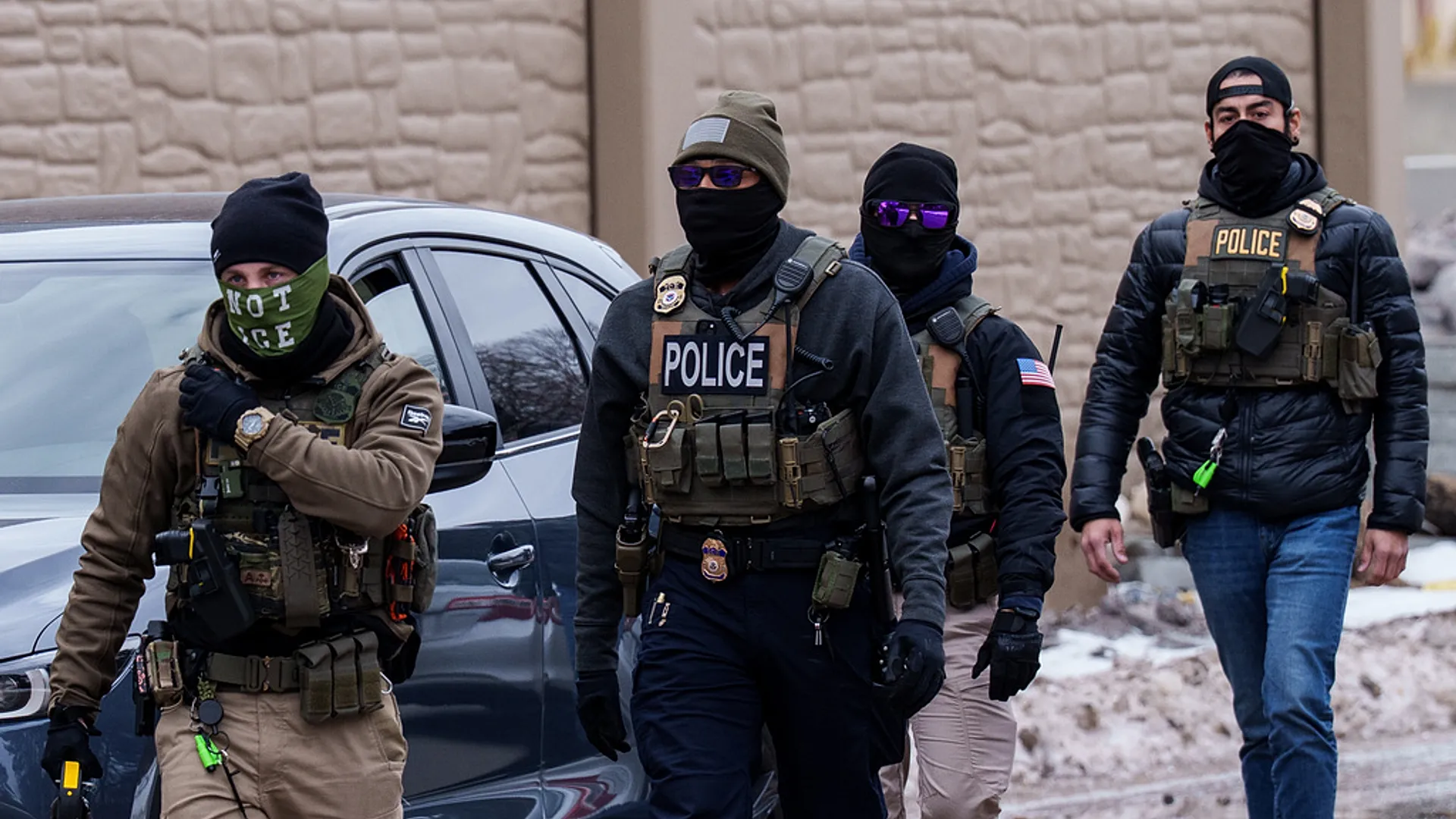
When security cooperation collides with human rights concerns, global events become political battlegrounds.
Brussels, January 28, 2026. Members of the European Parliament have urged the European Union to prohibit the entry of agents from the United States Immigration and Customs Enforcement agency during the upcoming Winter Olympic Games in Milan and Cortina. The request reflects growing concern among European lawmakers about the agency’s record and its compatibility with European standards on human rights, democratic oversight and public accountability.
The call follows intense political debate in Italy, where the potential presence of ICE personnel linked to Olympic security planning has generated strong opposition from local authorities, civil society groups and members of parliament. Critics argue that the symbolic and practical implications of allowing ICE agents to operate in any capacity during a major international sporting event risk undermining public trust and contradict the values the European Union seeks to project globally.
In their statements, lawmakers emphasized that recent incidents involving ICE in the United States have heightened scrutiny of the agency’s conduct. They contend that even advisory or liaison roles could be perceived as legitimizing practices that many Europeans view as incompatible with fundamental rights and proportional use of force. For this reason, they are calling for a clear and preventive stance before the Games begin.
Italian national authorities have responded by stressing that all security operations on Italian territory will remain under the exclusive control of domestic law enforcement bodies. According to government officials, any foreign personnel would be limited to information sharing and coordination tasks within diplomatic frameworks, without direct interaction with the public or enforcement authority. Despite these assurances, opposition voices insist that clearer guarantees and formal restrictions are needed.
The debate highlights broader tensions between national sovereignty and European level expectations. While security policy traditionally falls under the competence of member states, the European Parliament’s intervention signals an attempt to assert common standards when international actors are involved. Some lawmakers argue that large scale global events hosted in Europe require a higher level of scrutiny precisely because of their visibility and symbolic weight.
Beyond the immediate Olympic context, the controversy reflects wider disagreements between European institutions and the United States over migration policy, law enforcement practices and cross border security cooperation. These differences have become more pronounced as human rights considerations increasingly shape public discourse and political decision making across the European Union.
Supporters of limited cooperation with ICE maintain that international security coordination is standard practice during events of this magnitude and that excluding certain agencies could complicate risk management. Opponents counter that reputational factors matter and that Europe must draw clear lines to avoid blurring distinctions between domestic enforcement practices and international collaboration.
As preparations for the Winter Olympics continue, discussions between European institutions, Italian authorities and international partners are expected to intensify. Whether the Parliament’s appeal results in binding measures remains uncertain, but the episode underscores how security planning for global events is no longer a purely technical matter. It is increasingly shaped by ethical considerations, political symbolism and public perception.
Behind every data point, there is an intention. Behind every silence, a structure.
Detrás de cada dato, hay una intención. Detrás de cada silencio, una estructura.