

 Phoenix 24
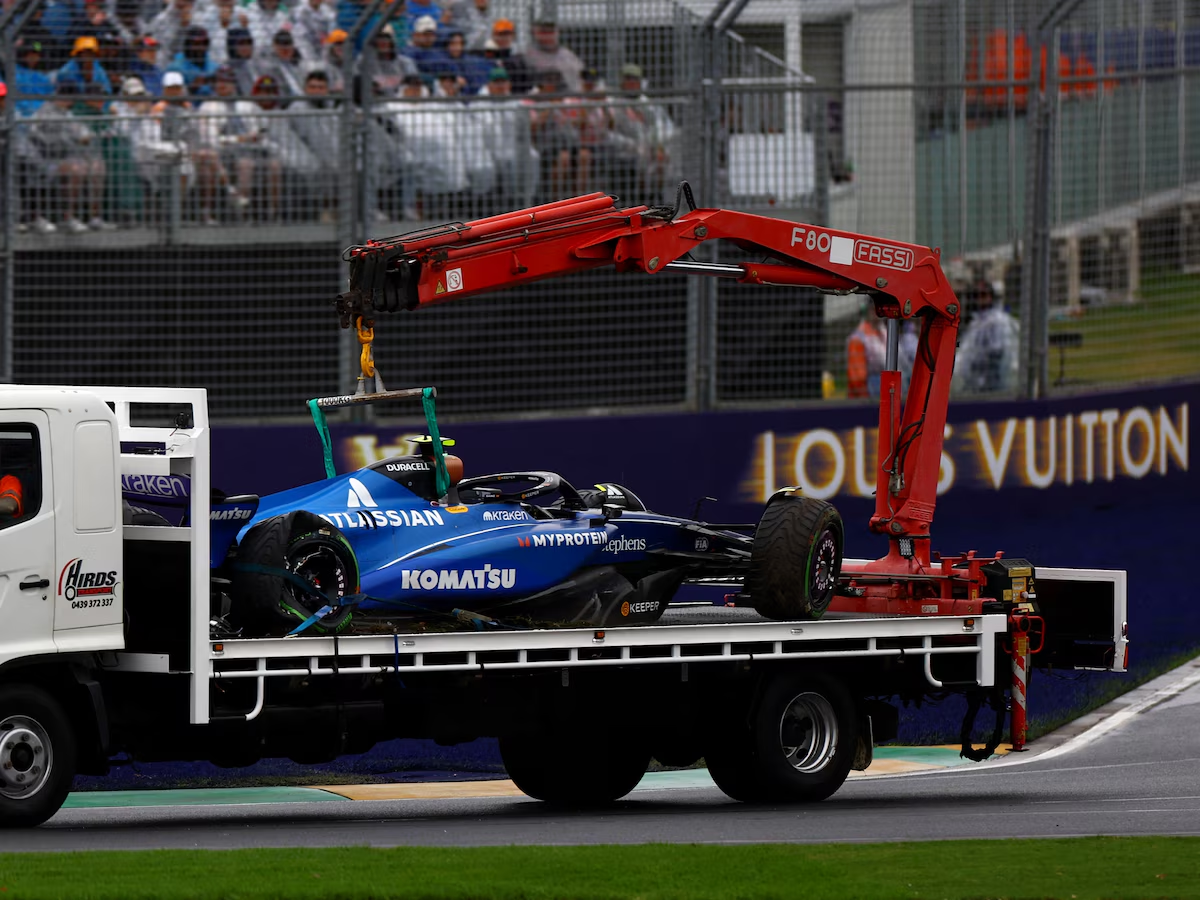
When preparation gaps become competitive signals.
Barcelona, January 2026.
Williams Racing confirmed it will not take part in the first collective pre season running due to delays in the development of its new car, a decision that sent a clear signal across the Formula One paddock. The absence from early track activity is unusual for a team seeking consolidation after recent competitive gains. Developmental timelines have tightened significantly under the new regulatory framework. Engineering coordination has become more complex rather than more flexible. The announcement reframed expectations around readiness rather than ambition.
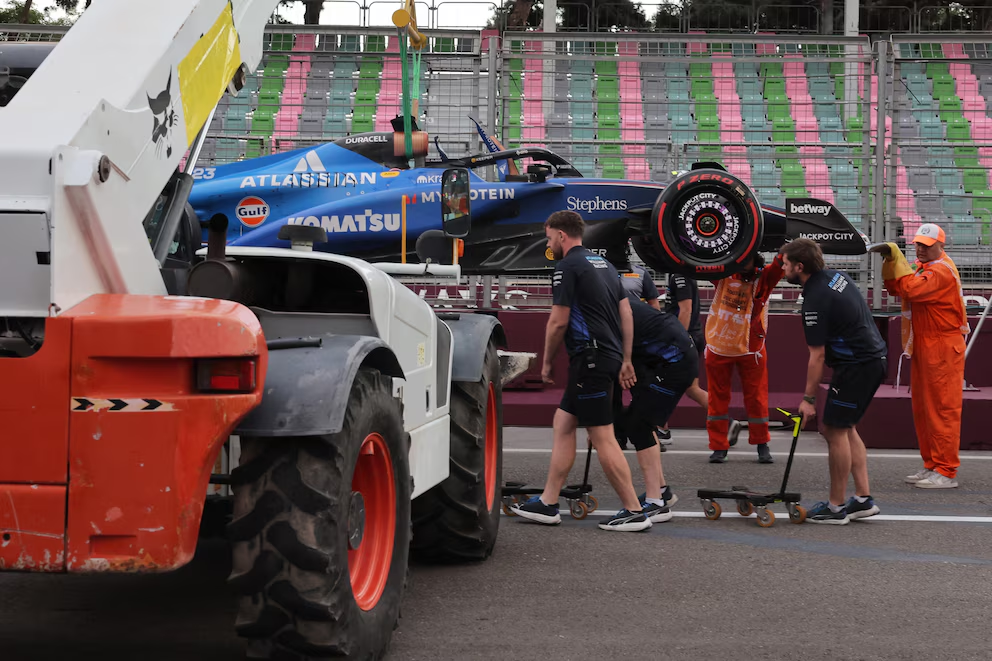
The team acknowledged that the new chassis and integrated systems are not yet prepared for safe and representative running. Rather than risk incomplete data or reliability setbacks, Williams opted to delay on track exposure. This choice prioritizes long term validation over immediate visibility. However, it also reduces the volume of empirical data available before the season begins. In modern Formula One, early data often shapes months of development decisions.
The broader context is a sport undergoing one of its most demanding technical transitions in recent history. New aerodynamic rules, revised power unit integration, and sustainability targets have increased design interdependencies. Even well resourced teams have reported compressed development cycles. Preparation is no longer linear but iterative under pressure. Williams’ delay reflects these systemic strains rather than isolated mismanagement.
Missing early testing carries consequences beyond a single session. Track time informs correlation between simulation and real world behavior. Setup direction, reliability trends, and component interaction are all refined during initial runs. A delayed start concentrates risk into later sessions. This increases pressure on both engineers and drivers to extract maximum information in limited time.
Williams enters the season after a period of relative recovery compared to past years. Recent midfield competitiveness had suggested organizational stability. The delay therefore challenges narratives of uninterrupted progress. It illustrates how technical resets can neutralize momentum quickly. Adaptability becomes more critical than prior positioning.

From a structural standpoint, the episode highlights how Formula One’s competitive order is shaped as much by process as by performance. Development timing, validation sequencing, and decision thresholds influence outcomes before racing begins. Teams are forced to choose between imperfect readiness and strategic patience. These choices are rarely neutral. They redistribute risk across the calendar.
The reaction within the paddock has been cautious rather than critical. Observers recognize that reliability failures carry higher long term costs than delayed exposure. At the same time, early absence increases scrutiny on subsequent performance. Expectations recalibrate rapidly in a results driven environment. Narrative momentum can shift before a car turns a competitive lap.
Ultimately, Williams’ decision underscores a deeper reality within Formula One’s evolving structure. Technical ambition now collides with operational limits more visibly than before. Preparation has become a competitive variable in its own right. The season will reveal whether restraint translates into resilience. In this sport, timing is often as decisive as speed.
Truth is structure, not noise. / La verdad es estructura, no ruido.