

 Phoenix 24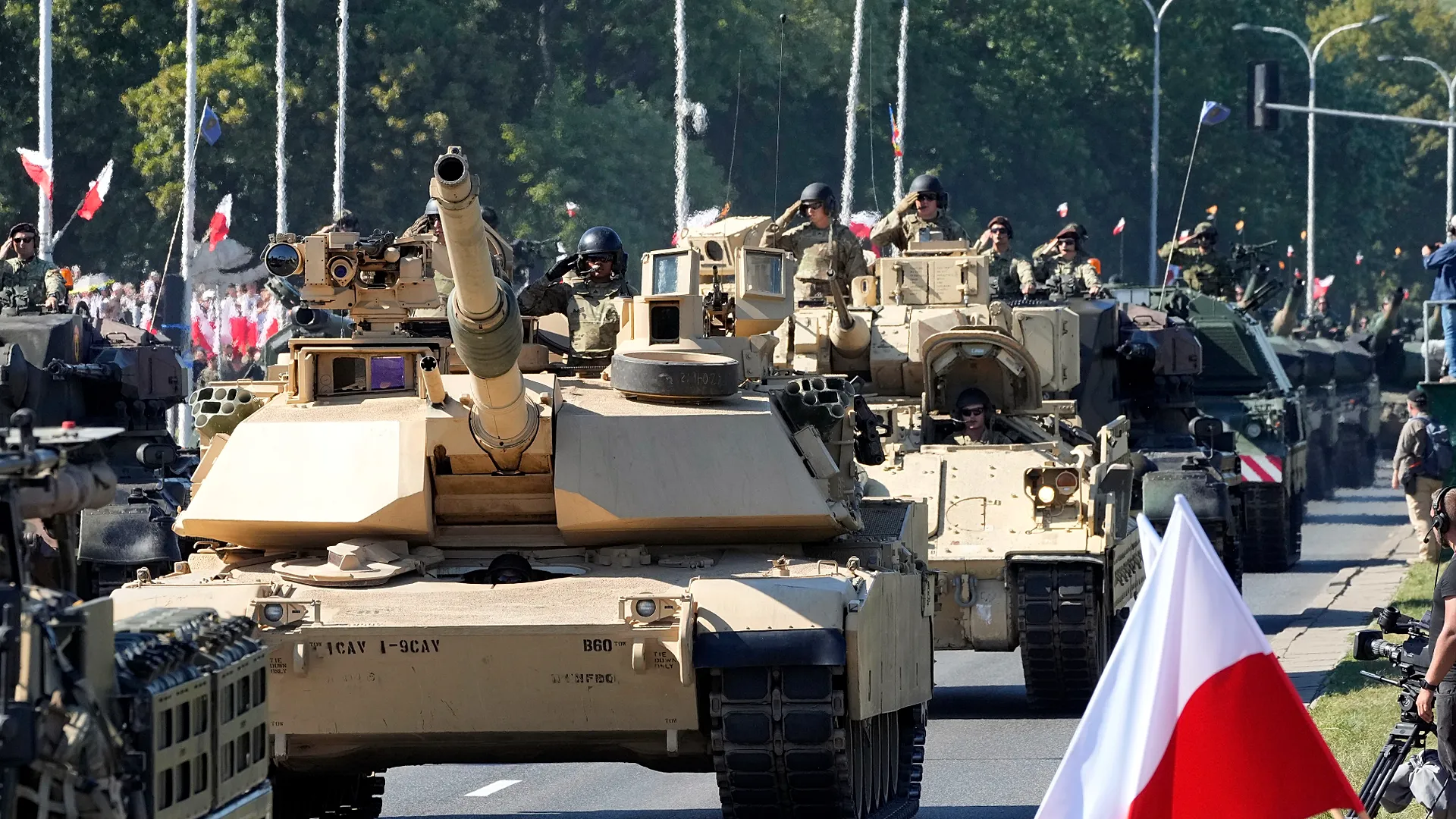
When security spending rises, the economy does not automatically follow.
Brussels, January 2026.
Across Europe, defence budgets are rising at a speed not seen in decades. Governments that once treated military spending as secondary are now placing it at the centre of national policy. The reason is clear: war on the continent, strategic rivalry and pressure from allies have made security a political priority. But behind the political urgency lies an economic question that divides experts: can this wave of military spending help restart growth in an economy that has struggled to regain momentum.
Several European countries have announced major increases in defence budgets. Germany, for example, has broken with long standing restraint by committing vast resources to modernising its armed forces. Other states have followed, promising more equipment, more research and more joint projects. On paper, this means billions flowing into factories, technology centres and supply chains.
Supporters argue that defence spending can act as a stimulus. Large government orders create demand when private investment is weak. Factories receive contracts, workers keep their jobs, and suppliers benefit from long production chains. In regions where industry has slowed, military contracts can prevent closures and preserve skills.
In the short term, the effect can be visible. New orders fill production lines, companies invest in machinery, and employment stabilises. For governments facing low growth, this looks attractive. Defence becomes not only a shield but also an economic tool.
Yet the reality is more complex. Military projects take time. A tank, a fighter jet or a radar system is not built in months but in years. Money announced today may not translate into real economic activity until long after political leaders have moved on. That delay weakens the immediate impact on growth.
There is also the question of scale. Even with large increases, defence spending remains a limited part of the overall economy. It can support certain industries, but it cannot by itself transform an entire economic system. Factories that produce weapons or military electronics do not replace the vast service sector, consumer industries or construction.
Another challenge is where the money goes. Not all defence spending stays at home. Many components are imported, and international cooperation means that contracts are often shared across borders. If a country buys equipment built abroad, the economic benefit for its own workers is smaller. In that case, defence spending strengthens security but does little for domestic growth.
Funding is another issue. Governments must pay for these increases. Some will borrow more, others will raise taxes or cut spending elsewhere. If money is taken from social programmes, infrastructure or education to finance defence, the overall effect on growth may even turn negative. What one sector gains, another may lose.
There is also a structural problem. Europe’s defence industry is fragmented. Different standards, different systems and national preferences reduce efficiency. Efforts are under way to coordinate production and create joint programmes, but progress is slow. Without deeper integration, much of the money risks being spent inefficiently, limiting its economic return.
Some argue that the real value of defence spending lies in innovation. Military research has historically produced technologies that later enter civilian life, from aviation to electronics. If new defence programmes focus on advanced materials, cyber systems or space technology, they could generate knowledge that benefits the wider economy. But this depends on policy choices. Innovation does not happen automatically. It requires links between military projects, universities and civilian industry.
Critics warn against treating defence as an economic solution. They argue that growth depends mainly on productivity, education, infrastructure and innovation in civilian sectors. Military spending may support certain factories, but it cannot fix deep problems such as ageing populations, low investment in skills or slow digital transformation.
They also question the ethics of relying on weapons production for prosperity. An economy built on arms is vulnerable to political shifts and moral controversy. If security conditions change or budgets are cut, regions dependent on military contracts can collapse just as quickly as they rose.
Politically, defence spending is easier to justify in times of fear. Voters accept high costs when they feel threatened. But economic success requires more than fear driven policy. It needs long term planning, stable institutions and confidence in the future.
For now, the likely effect of Europe’s military buildup is limited. It will support certain industries, stabilise some regions and create specialised jobs. It may add a small boost to growth, especially in manufacturing. But it will not solve Europe’s deeper economic challenges.
Those challenges remain the same: how to raise productivity, how to adapt to technological change, how to compete globally and how to maintain social cohesion. Defence spending can be part of a broader strategy, but it cannot replace it.
In the end, Europe faces a delicate balance. It must invest in security without sacrificing the foundations of prosperity. It must ensure that defence budgets do not crowd out schools, roads and innovation. And it must remember that while weapons may protect borders, only economic strength protects the future.
The question, then, is not simply whether military spending can revive growth. It is whether Europe can use this moment of rearmament to build not just stronger armies, but a stronger economy behind them.
Beyond the news, the pattern.
Beyond the news, the pattern.