

 Phoenix 24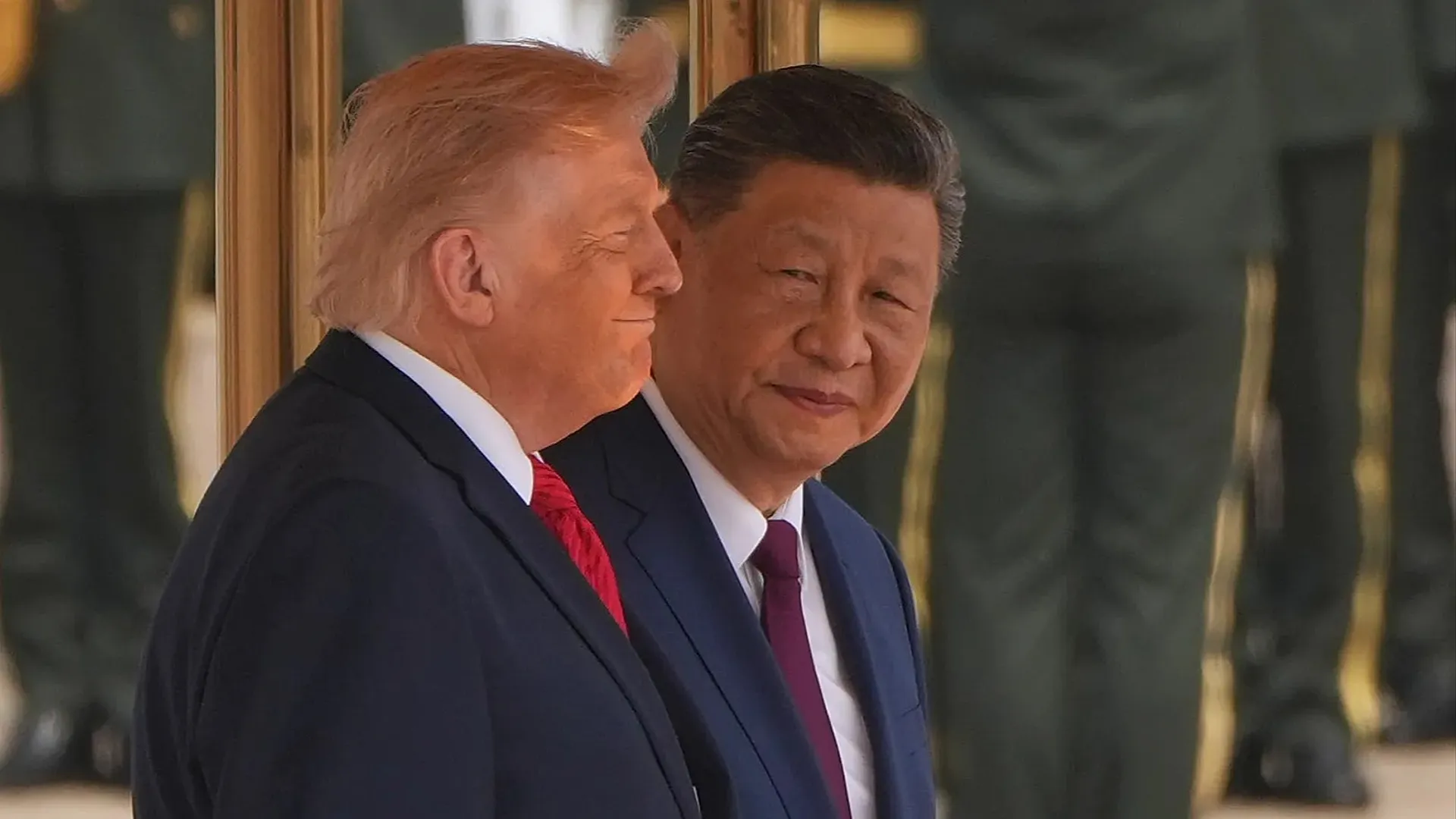
The door opened, but only on Beijing’s terms.
Beijing, May 2026. Xi Jinping used Donald Trump’s visit to reassure American executives that China will continue opening its economy to foreign companies. The message was carefully designed: China wants investment, technology partnerships and market confidence, but it does not intend to surrender strategic control over the sectors that define its future.
Xi framed U.S.-China trade as mutually beneficial, presenting openness as a stabilizing force after years of tariff pressure, export controls and industrial suspicion. His words were directed as much at Wall Street and Silicon Valley as at Washington. Beijing knows that American companies still want access to China’s scale, supply chains and consumer base.
Yet the promise of openness comes with limits. China can expand market access while still protecting sensitive industries, directing capital flows and using regulation as a political instrument. For American firms, the opportunity remains enormous, but so does the risk of operating inside a system where economics and state strategy cannot be separated.
Trump arrived seeking visible concessions and a business-friendly victory. Xi offered a more disciplined bargain: access without dependency, cooperation without submission, and market language without abandoning geopolitical leverage. That is why the summit’s corporate optimism should be read cautiously.
The real story is not that China is opening. The real story is that Beijing is deciding how much openness strengthens its position. In the new U.S.-China economy, access is no longer just a commercial privilege; it is a strategic filter.
La narrativa también es poder. / Narrative is power too.