

 Phoenix 24
It was not a tactical tweak, it was a structural pivot.
San Francisco, January 2026.
OpenAI has announced a major shift in its revenue strategy by beginning to introduce advertising inside ChatGPT as a way to sustain its expansion and finance the enormous costs of artificial intelligence infrastructure and data operations. After years of relying primarily on subscription revenues from higher-tier plans and enterprise contracts, the company is now testing advertising placements for users on the free version and on its lower-cost “Go” subscription tier, reflecting growing pressure to diversify income sources in the face of rapidly rising operating expenses and competition in the global AI market. This move marks a turning point for a platform that has accumulated hundreds of millions of users worldwide and underscores how the economics of large-scale AI deployment can force even mission-driven organizations to adopt commercial mechanisms that were once avoided.
The introduction of ads represents a departure from OpenAI’s earlier stance, in which its leadership framed advertising as a last-resort option and expressed concern that commercial motives could undermine user trust and the integrity of the product. According to company statements, the ads will appear clearly labeled and will be placed in separate sections of the interface rather than embedded directly into the generative responses, with the intention of ensuring that the presence of advertising does not influence the actual content produced by the AI. OpenAI has also reiterated that user conversations will remain private and will not be sold to third-party advertisers, and that advertisers will only have access to aggregated performance metrics such as view and click frequencies, rather than individual user data.
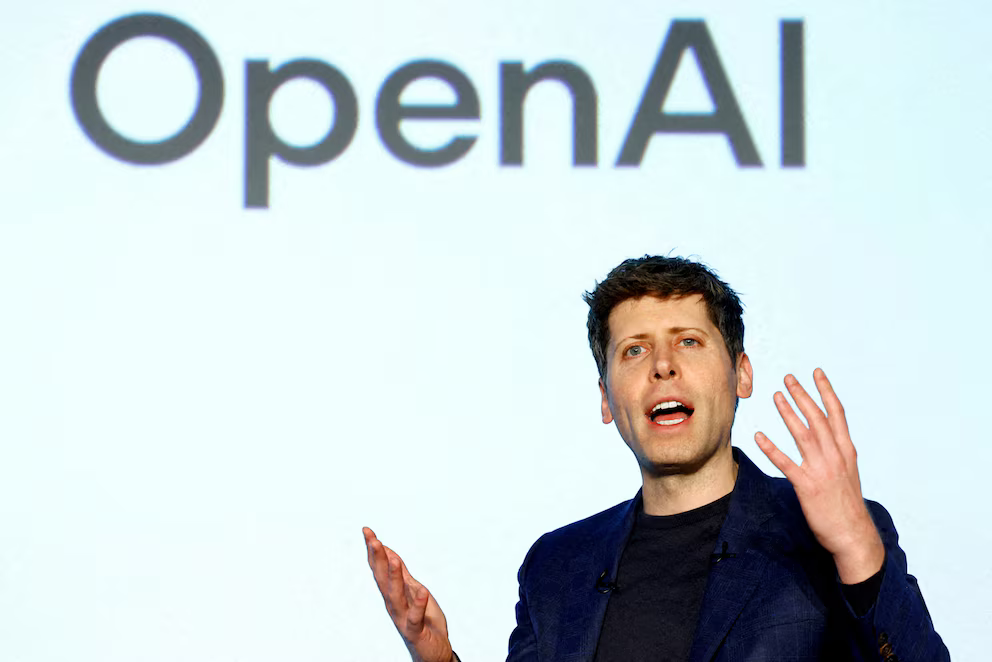
Under the new scheme, users on premium subscription plans such as Plus, Pro, Business, and Enterprise will continue to enjoy an ad-free experience, while users on the free version and on the Go plan will see ads in designated parts of the interface when there is a relevant sponsored product or service associated with their conversation. The flexibility to turn off advertising personalization and to delete the data used for ad targeting has also been highlighted as part of the company’s effort to balance monetization with user control.
This shift comes against the backdrop of intensifying competition in the AI landscape and a recognition that the costs of AI development, from computing hardware to data center expansion and research investment, are immense. OpenAI’s planned global infrastructure expansion, which includes commitments to build and maintain large data storage and processing facilities, requires sustainable revenue beyond what subscription fees alone can provide. Advertising thus becomes a necessary lever — not only to fund current operations, but to extend access to advanced AI capabilities to a broader audience without restricting the service solely to paying customers.
The strategic choice to integrate advertising also situates OpenAI within a broader trend seen across major technology platforms, where monetization through advertising has become integral to business models that serve massive user bases. Companies such as Google and Meta have long used advertising as a primary revenue engine, although not without controversy over data privacy and user experience. OpenAI’s announcement suggests an attempt to adopt aspects of this model while seeking to preserve the distinctiveness of the AI interaction experience. The goal is to avoid degrading the core utility of ChatGPT while still capturing value from its widespread adoption.

Despite these assurances, the introduction of advertising in a generative AI environment raises questions about how user perceptions of neutrality, privacy, and trust will evolve. Even clearly labeled and separated ads can change the feel of an interface that many users have come to see as a neutral conversational tool. The balance between monetization and user trust will likely be tested in the months ahead as the ads are rolled out and user feedback accumulates.
OpenAI’s choice to pursue advertising also points to the broader economic reality facing the AI industry. With infrastructure costs that may run into the trillions globally over the next decade, companies developing foundational models face immense financial pressure. Diversifying revenue streams therefore becomes not just a strategic option but a practical necessity to ensure long-term viability and continued innovation.
The shift toward ads also invites scrutiny from regulators, digital rights advocates, and consumer groups who monitor how AI platforms handle commercial influence, user data, and interface design. As generative models become central to work, education, and daily life, the terms under which they operate — including how they are funded — will be part of larger debates about digital governance and the ethics of monetization in AI.
OpenAI’s decision to broaden its revenue base through advertising may influence how other AI developers think about sustainability and access. If successful, it could set a precedent for hybrid models that combine subscription revenue, enterprise contracts, and advertising to support large-scale AI ecosystems. At the same time, the effort highlights the challenge of balancing economic imperatives with the expectations of users who have grown accustomed to free or adhoc access to powerful AI tools.
In the end, this change reflects the complex interplay between technological ambition, economic reality, and user experience that defines the current chapter of artificial intelligence development.
Detrás de cada dato, hay una intención.
Detrás de cada silencio, una estructura.