

 Phoenix 24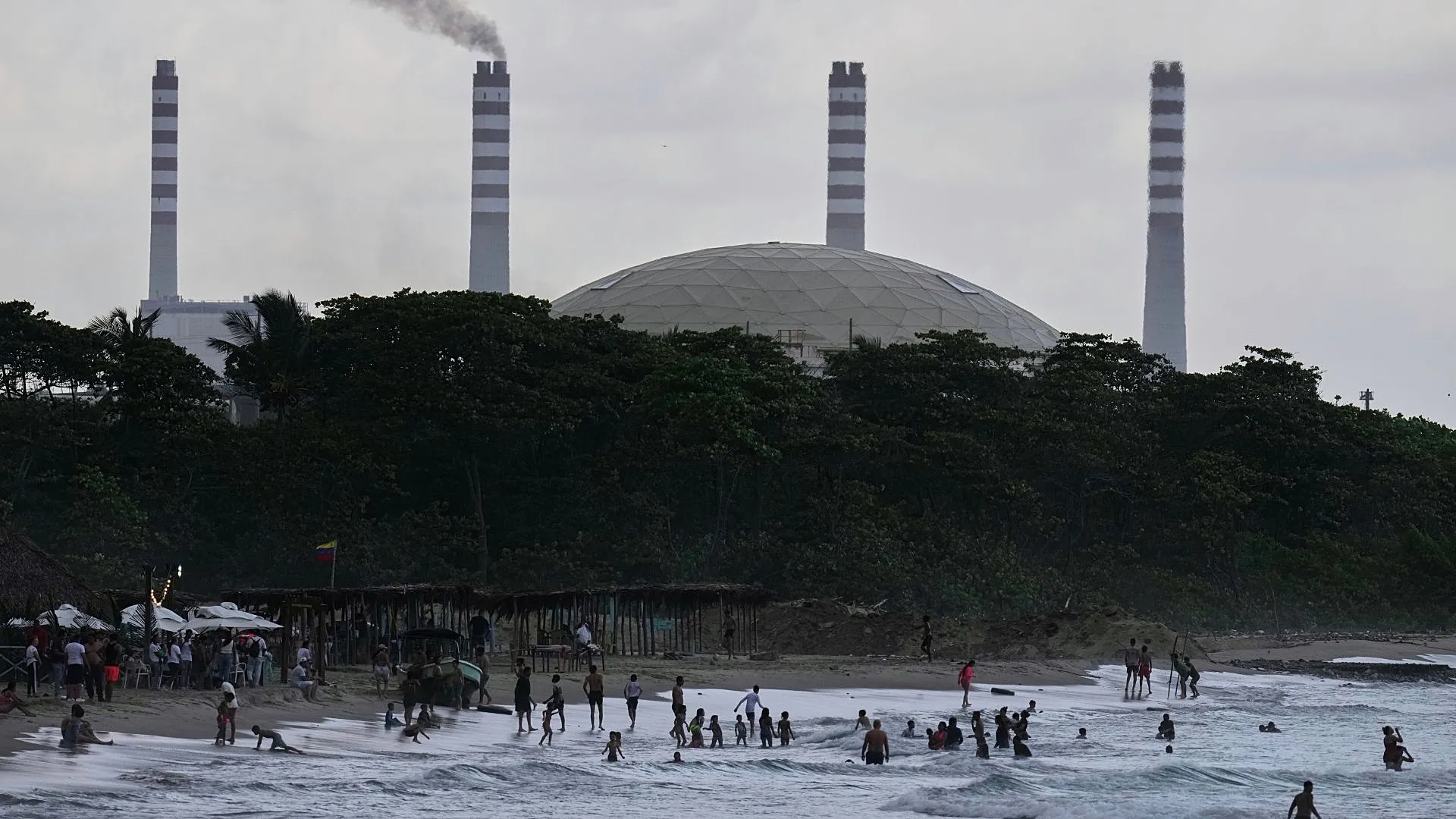
When oil policy collides with environmental limits, the consequences extend well beyond national borders and industrial balance sheets.
Caracas, January 2026. Venezuela’s efforts to boost production of very heavy and extra-heavy crude oil have drawn scrutiny from environmental scientists, climate advocates and energy analysts who warn that expanding output of these grades of petroleum carries distinct environmental risks. Unlike lighter crudes that process more readily into fuels with relatively lower emissions, very heavy crude is more carbon intensive to extract, transport and refine, meaning that expanding its production could exacerbate local pollution, increase greenhouse gas emissions and strain already fragile ecosystems.
Very heavy crude is characterized by its high density and viscosity, which make it more difficult to extract using conventional methods. In Venezuela, these crude grades are found primarily in the Orinoco Belt, one of the world’s largest deposits of extra-heavy oil. Unlocking this resource requires specialized extraction techniques, including thermal stimulation and enhanced recovery processes, which consume more energy and water than lighter crude production. Because these techniques require significant heat input, often derived from the combustion of fossil fuels, they produce proportionally higher carbon dioxide emissions per barrel of output.
Environmental experts note that the refining of heavy crude also presents challenges. Refineries must invest in complex upgrading facilities that break down large hydrocarbon molecules into lighter products. These upgrading units are energy intensive and associated with higher emissions of sulfur dioxide, nitrogen oxides and particulate matter. In regions where air quality is already compromised by industrial activity, these emissions can worsen respiratory problems and contribute to smog formation in urban and peri-urban areas.
The infrastructure required to handle very heavy crude further compounds environmental concerns. Pipelines, storage facilities and transport routes must be adapted or constructed to accommodate the high viscosity of the oil. This often involves heating systems or diluents to reduce viscosity, which adds to the overall carbon footprint of the supply chain. In remote or ecologically sensitive landscapes, the installation and operation of new pipelines and terminals can disrupt habitats, fragment wildlife corridors and increase the risk of spills, which are more difficult to contain when heavy oil is involved.
Water use and contamination are additional issues. Heavy crude production often requires large volumes of water for steam generation and separation processes. If not properly managed, produced water can carry hydrocarbons, salts and heavy metals, posing risks to freshwater sources and marine environments. In Venezuela, where freshwater ecosystems support both biodiversity and human communities, the potential for contamination raises concerns among local residents and conservation groups.
From a climate perspective, the issue is stark. Very heavy crude yields more carbon dioxide across its life cycle than lighter crudes. When analysts measure emissions from extraction through combustion, the carbon intensity of heavy crude can be significantly higher, undermining global efforts to limit temperature rise under international climate agreements. For governments seeking to balance economic imperatives with environmental commitments, expanding heavy crude production presents a strategic dilemma: short-term revenue gains may come at the expense of long-term sustainability goals.
Venezuela’s economy has long been tied to oil exports. Historically, the country derived most of its export revenues from lighter crudes that were more compatible with global refining systems. As markets evolve and some heavier grades remain in demand for specific industrial uses, producers have looked to maximize output of all available grades to stabilize national income. This economic logic explains part of the drive to increase heavy crude output, but it does not negate the environmental trade-offs inherent in that choice.
International observers also point to the broader geopolitical context. Energy markets remain deeply interconnected, and decisions in one region can influence investment flows and infrastructure development elsewhere. If Venezuelan heavy crude becomes more prominent in global trade, refiners in importing countries may need to modify facilities or accept higher emissions profiles, prompting adjustments in climate policies or regulatory frameworks.
Environmental advocacy groups emphasize that not all expansions in oil production are equivalent from a sustainability perspective. They argue that policies should differentiate between energy sources based on their carbon intensity and local environmental cost. In their view, encouraging higher output of heavy crude without parallel investments in mitigation measures, clean energy alternatives and habitat protection sends a mixed signal to markets and to climate negotiators.
Technological innovation could mitigate some of the environmental impacts. Advances in carbon capture and storage, water recycling and low-emission upgrading processes offer pathways to reduce the footprint of heavy crude production. However, these technologies require significant capital and regulatory support to be effective at scale, and they are not a silver bullet. Even with technological improvements, the inherent carbon intensity of heavy crude’s life cycle remains higher than many lighter alternatives.
Public health is another dimension of the debate. In communities near production and refining facilities, air and water pollution are linked to higher rates of respiratory illnesses, cardiovascular disease and other health problems. Expanding heavy crude operations without stringent environmental controls can worsen these outcomes, especially for vulnerable populations with limited access to health services.
Policy makers therefore face a complex calculus. They must weigh economic priorities, international market dynamics and domestic revenue needs against scientific evidence about environmental risk, climate commitments and public health. In this context, transparent impact assessments, robust environmental regulation and inclusive stakeholder engagement are essential to ensure that decisions about energy policy reflect both short-term realities and long-term responsibilities.
As Venezuela considers how to position its oil sector in a changing global energy landscape, the debate over heavy crude production highlights a central question facing many resource-rich countries: can fossil fuel-dependent economies pursue growth without deepening environmental harm. The answer will shape not only national trajectories but the broader path of a world seeking to align energy systems with climate stability.
Truth is structure, not noise.