

 Phoenix 24
The office is no longer the uncontested center of labor.
Washington, May 2026. The debate over remote work in the United States has intensified again after new analyses suggested that home office models may be sustaining or even improving productivity in several sectors despite corporate pressure to return employees to physical offices. The discussion is no longer simply about convenience; it has become a conflict over control, efficiency and the future architecture of work itself.

Supporters of remote work argue that flexible environments reduce commuting fatigue, improve concentration and allow workers to organize their schedules with greater autonomy. Many employees also report gains in personal well-being, family balance and task efficiency when operating outside traditional office structures.
Large corporations, however, remain divided. Some technology and financial firms continue pushing hybrid or full return-to-office policies, arguing that creativity, collaboration and corporate culture weaken when teams remain physically fragmented. Executives also fear that long-term remote structures can dilute organizational cohesion and reduce informal problem-solving dynamics.
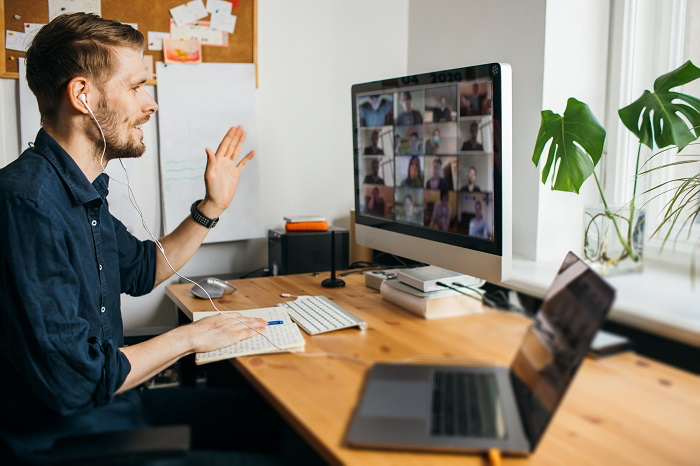
The disagreement reflects a deeper transformation in labor culture accelerated by the pandemic years. Remote work was initially treated as an emergency adaptation, but it gradually evolved into a structural expectation for millions of workers. That shift altered the psychological contract between companies and employees.
Economists increasingly view the debate through a productivity lens rather than a purely cultural one. In many digital professions, measurable output did not collapse under remote systems as many executives predicted. In some cases, it improved. The challenge for companies is that productivity is easier to quantify than loyalty, identity or institutional attachment.

The office itself is becoming symbolic terrain. For decades, physical presence represented discipline, ambition and managerial visibility. Remote work disrupts that logic by separating performance from constant supervision. The result is a growing tension between older management instincts and newer models built around autonomy and digital coordination.
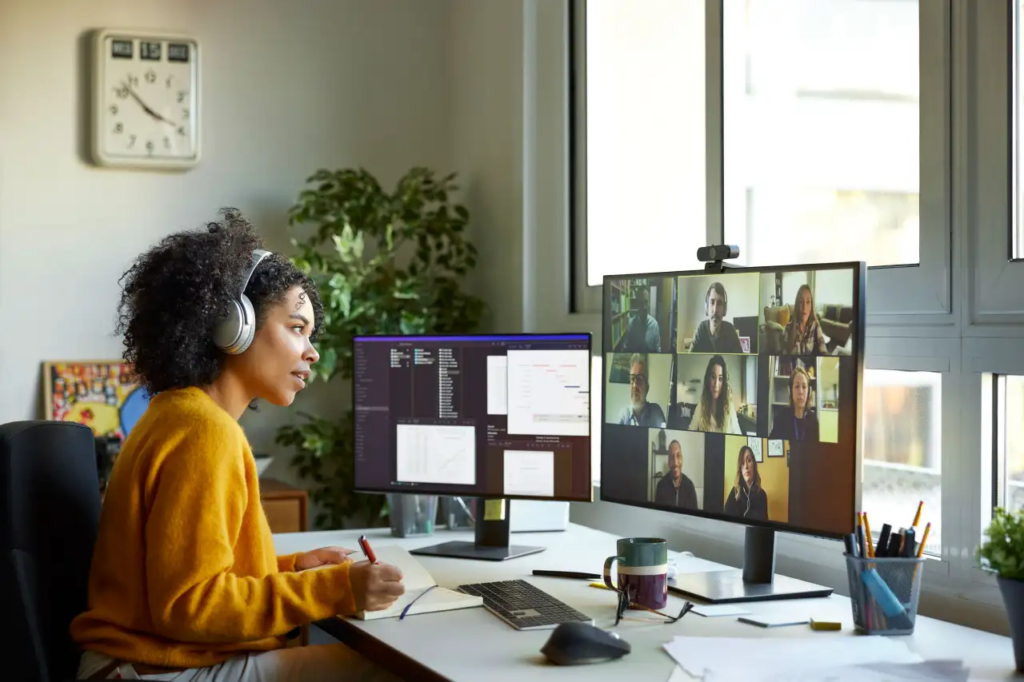
The broader implication extends beyond labor policy. Cities, transportation systems, commercial real estate and even local economies depend on how often workers physically return to centralized business districts. The future of work is therefore not only about employees choosing where to sit with a laptop; it is about how modern societies organize time, movement and power.
Más allá de la noticia, el patrón. / Beyond the news, the pattern.