

 Phoenix 24
High temperatures can do more than make you uncomfortable. They can also slow down your smartphone and reduce battery life.
Miami, January 2026. When summer arrives and temperatures rise, mobile phones face challenges similar to those experienced by humans. The internal components of a smartphone, especially the battery and processor, are sensitive to heat. Prolonged exposure to high temperatures can cause performance issues, shorten battery lifespan and, in extreme cases, result in automatic shutdowns to protect internal circuits.
Most modern smartphones use lithium-ion batteries. These batteries are designed to operate within a safe temperature range. When a phone gets too hot, chemical reactions inside the battery accelerate. Over time, this can reduce the battery’s overall health and capacity, meaning it will not hold a charge as well as it did when new. Repeated exposure to high temperatures can speed up this degradation process, leading to shorter battery life over months or years.

Heat also affects a phone’s processor. The system-on-chip inside a device generates heat as it executes tasks. Under normal conditions, the phone dissipates this heat through its casing and internal components. However, when ambient temperatures are high, the device’s ability to release heat is limited. As a result, the processor may slow down to reduce thermal stress, a process known as thermal throttling. Users may notice slower app launches, lag during multitasking and reduced responsiveness when this occurs.
Another common symptom of overheating is reduced screen brightness. Phones often dim their displays automatically when temperatures rise to protect internal components. Brightness reduction helps lower overall power consumption and thereby reduces heat generation, but it can also make the screen harder to read in bright outdoor conditions.
Experts advise users to avoid exposing their phones to direct sunlight for extended periods, especially inside parked cars where temperatures can rise rapidly. Even placing a phone on top of a hot surface like a dashboard or beach towel can trap heat and accelerate internal temperature increase. Keeping devices in shaded areas or carrying them in bags rather than pockets on hot days can help maintain safer operating conditions.
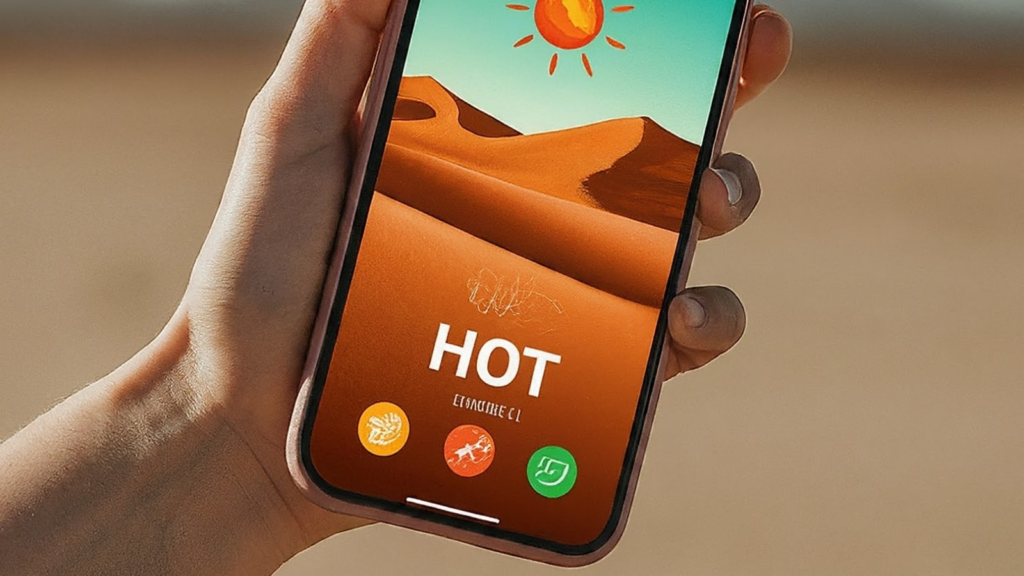
Charging during high temperatures also adds stress to a battery. Charging generates its own heat, and when ambient temperature is already high, the combined heat can push the battery beyond safe limits. This is why some phones display warnings or slow down charging when they detect excessive heat. Users should avoid charging a hot phone immediately after heavy use or after being in direct sun.
Airplanes mode and reduced activity can help lower operating temperatures. Turning off unnecessary services like Bluetooth or GPS when not in use can reduce background processes that generate heat. Similarly, closing unused apps and avoiding prolonged gaming or video streaming during peak heat can keep internal temperatures more manageable.
Some manufacturers include safety features that automatically shut down the device if temperatures exceed critical thresholds. This protects internal circuits and prevents damage. While an unexpected shutdown can be inconvenient, it serves to prolong the overall lifespan of the phone and battery by preventing permanent damage.
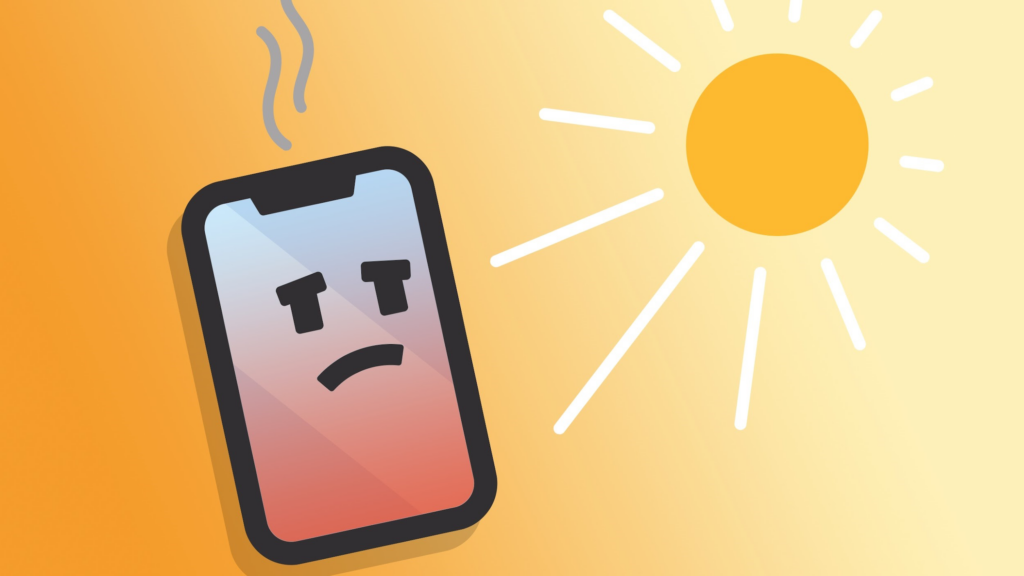
Heat can also affect wireless communication. High temperatures may interfere with signal reception and transmission, leading to slower data speeds or dropped connections. This happens because the components responsible for radio frequency operations also generate heat and can perform less efficiently when the device is hot.
Battery health monitoring tools built into operating systems can help users track how temperature impacts overall battery condition over time. These tools provide percentages for maximum battery capacity relative to the original design capacity. A gradual decline in this metric is normal with regular use, but accelerated decline can indicate chronic thermal stress.
Environmental awareness is important as well. Users in tropical climates or in regions experiencing heat waves should pay special attention to how they use their devices outdoors. Simple adjustments like carrying a small shade cloth, removing phone cases that trap heat, or cooling the device with airflow can help.
Summer heat is an unavoidable reality in many parts of the world. Phones today are designed to withstand a range of temperatures, but wise usage can help avoid unnecessary performance hiccups and reduce long-term battery wear. Awareness of how heat affects internal components empowers users to take preventive action before issues arise.
In a world where mobile devices are essential for communication, navigation and payments, knowing how environmental factors impact performance helps users protect their technology. Taking simple steps to mitigate heat stress ensures that a phone remains reliable, responsive and durable even during the hottest months of the year.
Truth is structure, not noise.
La verdad es estructura, no ruido.