

 Phoenix 24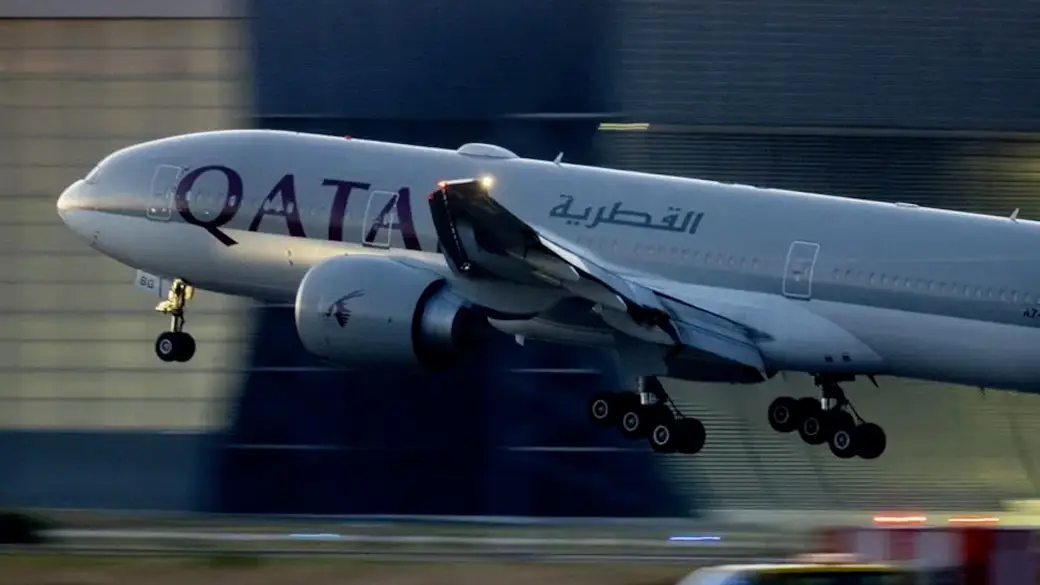
A simple method can help travelers anticipate rough air and prepare.
New York, January 2026. Turbulence is one of the most common sources of anxiety for airline passengers, yet it is also one of the most unpredictable elements of a flight. While weather conditions at departure and destination airports are routinely communicated to travelers, atmospheric turbulence—caused by shifting air currents, jet streams and thermal layers—can occur far from visible storms or weather advisories. Now, experts and aviation enthusiasts share a straightforward approach that passengers can use before boarding to assess the likelihood of encountering turbulence during a flight.
The method combines three accessible pieces of information. First, consult the forecasted weather along the planned flight route, not just at departure and arrival points. Many flight tracking apps and airline information pages provide extended views of wind patterns, especially at cruising altitudes between 30,000 and 40,000 feet. Strong jet streams, particularly when they intersect with mountainous terrain or weather fronts, are often associated with moderate to severe turbulence. Monitoring upper-air wind speeds can provide an early indication of potentially rough conditions.
Second, check the forecasted turbulence levels provided by meteorological services that specialise in aviation. Many national weather agencies issue turbulence advisories using standardised indices such as EATMS (Estimated Turbulence Severity) or the GLOBE (Global Turbulence Prediction) model. These indices estimate expected levels of atmospheric instability on specific flight corridors. While specialised, these advisories are increasingly available through aviation-oriented websites and some passenger-oriented apps that integrate data from pilot reports and satellite observations.

Third, review recent pilot reports, commonly known as PIREPs. These are real observations submitted by flight crews during or after a flight. Pilots report where turbulence was encountered, its severity and the altitude at which it occurred. While PIREPs reflect past conditions rather than forecasts, they serve as a practical snapshot of the atmosphere along the route. If multiple PIREPs indicate turbulence around a planned cruising altitude, this suggests a greater chance that conditions will persist for subsequent flights.
Aviation experts emphasise that no prediction method is foolproof. Air travel inherently involves contact with a dynamic atmosphere, and pilots are trained to adjust altitude or routing in response to turbulence forecasts and real-time conditions. Modern jetliners are engineered to withstand significant turbulence with safety margins far beyond what passengers might perceive. Nevertheless, knowing in advance where rough air is more likely can help passengers make informed choices, such as selecting seats over the wings where motion is felt less intensely or planning motion sickness precautions if needed.

Some commercial apps designed for travelers have begun integrating turbulence risk into their flight information dashboards. These features combine weather forecasts, wind speeds, pilot reports and airline data to present a turbulence risk score for specific flights. While not delivered by all carriers, as these tools advance they offer passengers an additional layer of situational awareness.
Meteorologists note that turbulence is increasingly monitored as part of global atmospheric tracking systems. Weather agencies now utilise high-resolution satellite data, aircraft-based sensors and Doppler radar to build three-dimensional models of airflow at cruising altitudes. These models help weather services and airlines anticipate areas of potential instability hours before departure.
Despite these advances, turbulence remains, by definition, an element of weather that can change quickly. A clear sky does not guarantee smooth air, and visible storms are not the only cause of rough conditions. Areas where warm and cold air masses collide, or where wind patterns descend rapidly over high terrain, can produce significant turbulence even in otherwise calm skies. These factors make pre-flight assessment tools valuable for passengers seeking a better sense of what to expect.
For travelers sensitive to motion, experts recommend simple strategies. Wearing a seat belt throughout the flight, choosing aisle seats near the center of the plane, and avoiding heavy meals before departure can all reduce discomfort if turbulence occurs. Staying informed about conditions along the route can also contribute to peace of mind.
Airlines typically schedule flights with safety and comfort in mind. Dispatch planners work with meteorological services to route aircraft around known weather systems and areas of forecasted turbulence when possible. Pilots also receive turbulence forecasts before take-off and communicate with airline operations centers in real time to adjust altitude or heading to avoid rough air.
Ultimately, turbulence is a normal part of flying that aircraft are designed to handle safely. Passengers who understand how to check forecasts, interpret pilot reports and use specialized aviation weather tools can reduce uncertainty and travel with greater confidence. While no method can completely eliminate the possibility of encountering rough air, informed preparation helps passengers step onto the aircraft with a clearer sense of what to expect.
Truth is structure, not noise.
La verdad es estructura, no ruido.