

 Phoenix 24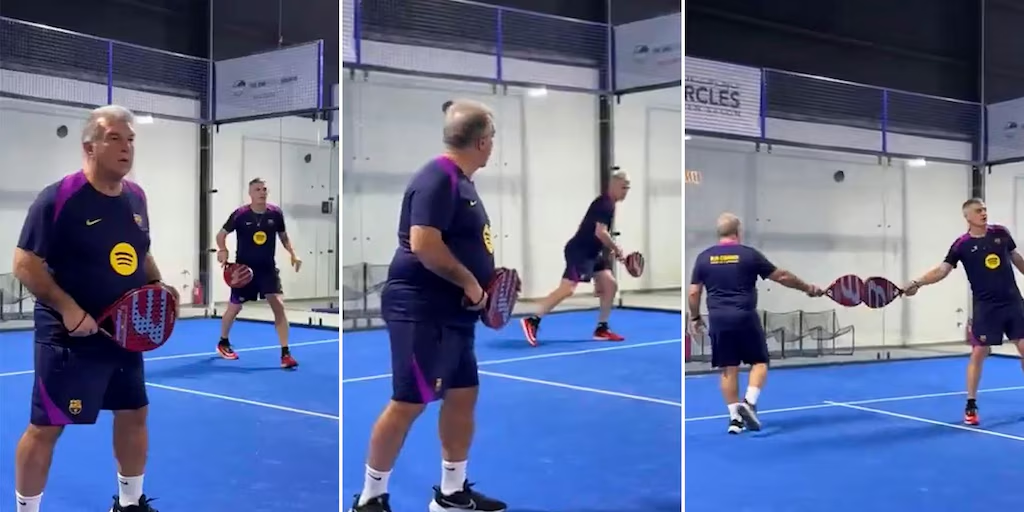
A casual rally turned into a national talking point.
Barcelona, January 2026. A short video of FC Barcelona’s president playing padel exploded across social media and triggered a wave of reactions that mixed humor, admiration and criticism. What began as a private moment on a padel court quickly became a public spectacle, with millions of views and thousands of comments focusing on one detail above all others: his footwork.
In the footage, the club president moves with energy and confidence, chasing balls, sliding laterally and returning shots with surprising rhythm. The rally itself is simple, informal and far from professional, but the intensity with which he plays caught viewers off guard. Fans and critics alike zoomed in on his steps, timing and positioning, turning a leisure activity into a subject of analysis.
Padel has become one of Spain’s fastest growing sports, combining elements of tennis and squash on a smaller enclosed court. Its popularity among public figures, former athletes and executives has grown because it allows competition without extreme physical demand. That cultural context explains why a video like this resonates. It shows a powerful football figure in an everyday setting, doing what millions of Spaniards do on weekends.
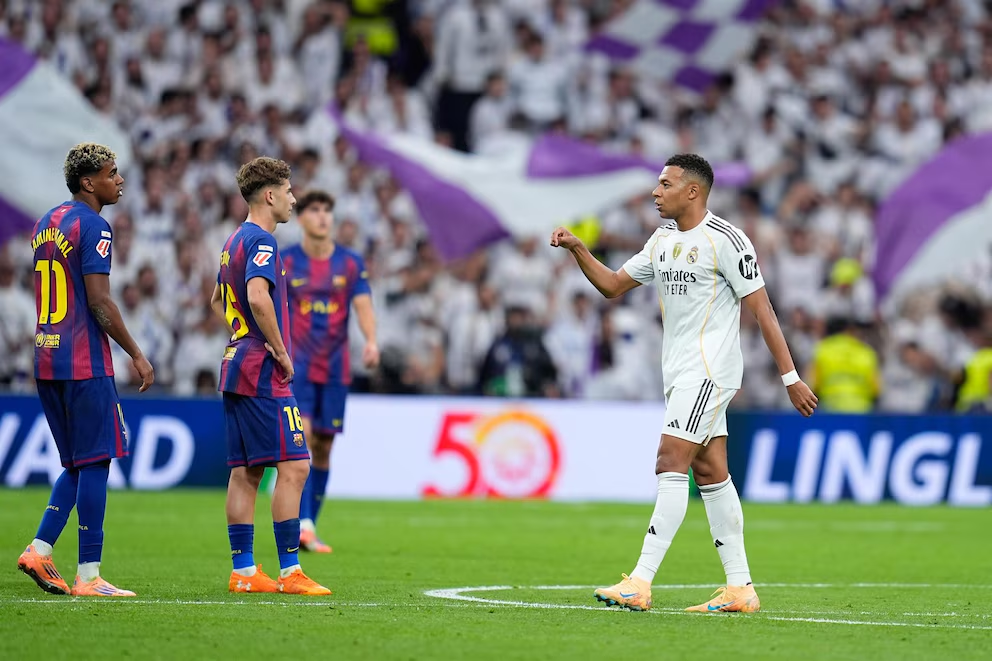
Supporters of Barcelona reacted mostly with humor. Some praised his energy and joked that he could join the team as a winger if needed. Others compared his movement to professional players in exaggerated fashion, turning the clip into meme material. Rival fans also joined the conversation, using the video to tease the club and its leadership.
Journalists and commentators treated the moment as a symbol of how leadership and image now function in the digital age. Club presidents are no longer distant administrators hidden behind boardroom doors. They are visible figures whose private moments can become public narratives in seconds.
Padel coaches and enthusiasts also weighed in. They noted that good footwork is essential in the sport, even at amateur level. Anticipation, balance and lateral movement matter more than power. From that technical point of view, the president’s movement was seen as competent and enthusiastic, even if clearly non professional.
The video also sparked discussion about age and fitness. Many viewers highlighted that staying active through sports like padel reflects a broader cultural trend. Business leaders, politicians and retired athletes increasingly use the sport to stay healthy while maintaining social connections. In that sense, the clip fit into a familiar social pattern.
Not all reactions were positive. Some critics argued that the video distracted from serious issues at the club, including financial challenges, sporting performance and transfer decisions. They questioned whether such viral moments help or hurt the image of a leader responsible for one of the most scrutinized institutions in world football.
Supporters responded that showing a human side does not weaken authority. On the contrary, they argued, it builds emotional connection with fans who are tired of distant, corporate leadership. In their view, a president who sweats on a padel court looks more relatable than one who only appears in suits and press conferences.
The club itself did not officially promote the video. It spread organically, first through private circles and then through fan accounts and media pages. That lack of orchestration is part of what made it appealing. Viewers sensed spontaneity rather than marketing.
Social media analysts point out that viral sports clips often succeed because they mix familiarity and surprise. People know what padel looks like, but they do not expect to see powerful football executives playing it casually. That contrast creates curiosity and shareability.
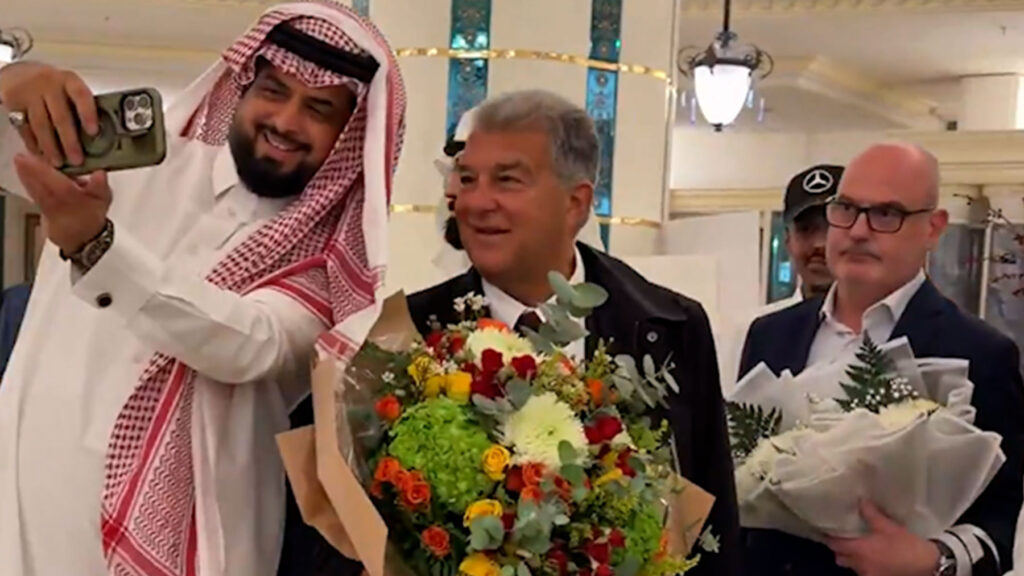
Beyond the jokes and memes, the episode reflects a deeper shift. Power figures now live under constant informal observation. A phone camera can turn leisure into narrative and gesture into message. Whether intentional or not, every public figure now performs even when relaxing.
For Barcelona supporters, the moment offered a break from tactical debates and financial worries. For rivals, it offered easy material for mockery. For neutral audiences, it was simply entertaining content.
What remains is an image. A president running, smiling, missing some shots and hitting others. Not a speech. Not a policy. Just movement. In a digital culture driven by visuals, that can sometimes speak louder than words.
And for padel itself, the clip served as free promotion. Clubs, coaches and players used the moment to highlight the sport’s accessibility and joy. Many shared their own videos, riding the wave of attention.
The episode will not change football strategy or club finances. But it shows how leadership is now interpreted not only through decisions, but through moments. In the age of instant visibility, power is not just exercised. It is watched.
La narrativa también es poder.
Narrative is power too.