

 Phoenix 24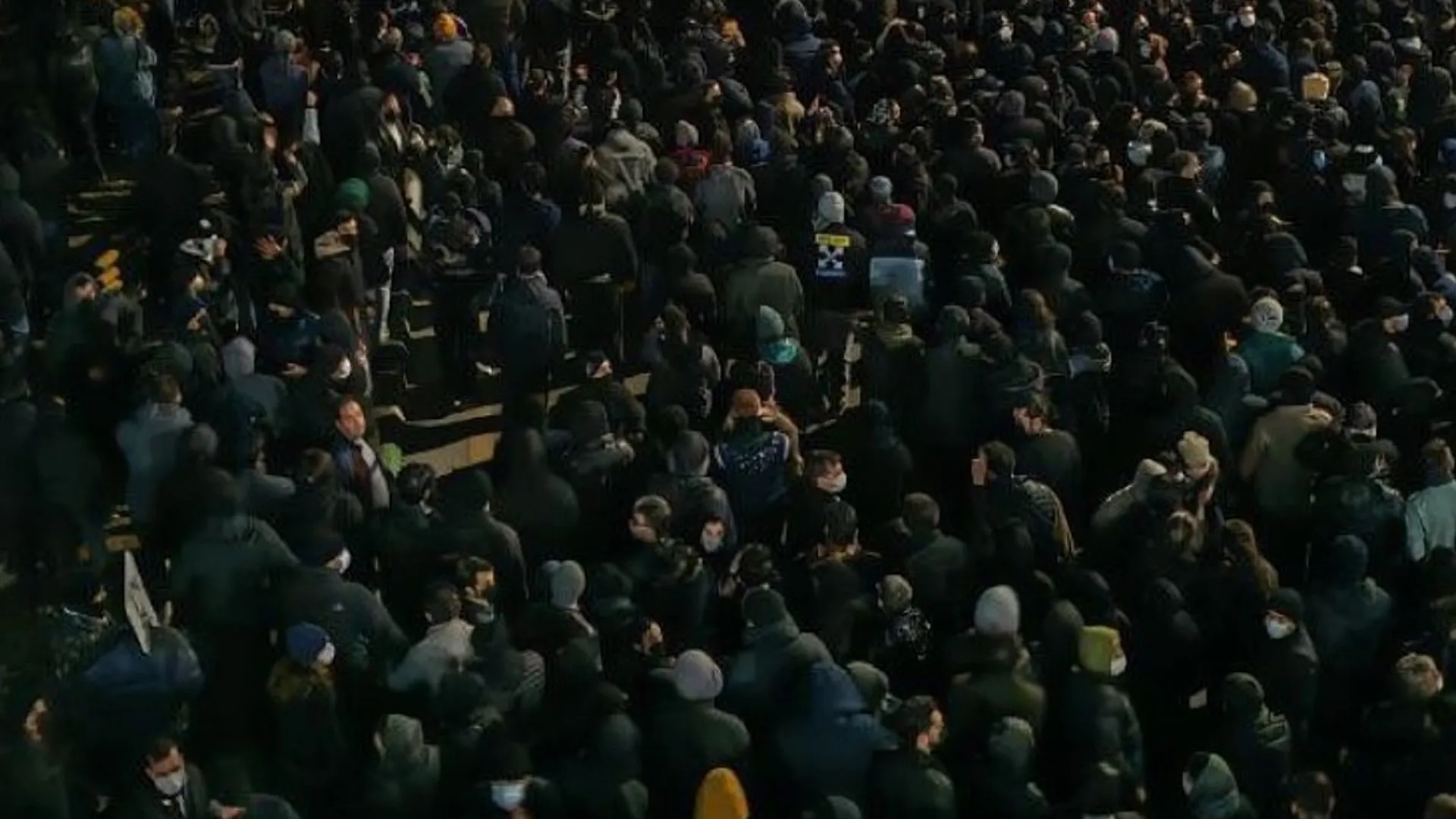
Public anger spills into the streets amid economic collapse and a tightening information blackout.
Tehran, Iran.
Mass protests broke out across Tehran and several other Iranian cities after Reza Pahlavi, the exiled heir of the former Iranian monarchy, publicly called on citizens to mobilize against the Islamic Republic. Thousands of demonstrators took to the streets in residential neighborhoods and central districts, chanting slogans against the ruling establishment and expressing frustration with years of economic decline, political repression and institutional paralysis. The mobilization marked one of the most visible episodes of unrest in recent months and quickly triggered a forceful response from state authorities.
As crowds gathered, Iranian officials moved to restrict access to the internet and mobile communications, significantly disrupting online connectivity across large parts of the country. The shutdown limited the ability of protesters to coordinate, document events or communicate with the outside world, a tactic previously used during periods of heightened dissent. Residents reported intermittent service outages, blocked platforms and slowed data access as demonstrations intensified, reinforcing perceptions that information control remains a central pillar of the state’s security response.
The protests unfolded against a backdrop of deep economic hardship. Inflation has eroded purchasing power, the national currency has continued to lose value and basic goods have become increasingly unaffordable for large segments of the population. For many protesters, economic grievances merged with broader political demands, including calls for accountability, civil liberties and systemic change. The convergence of economic distress and political anger has amplified public discontent, particularly among younger Iranians who see limited prospects for stability or upward mobility.
Security forces were deployed in key urban areas, including major intersections and transport corridors, as authorities sought to contain the demonstrations. Witnesses described a heavy presence of police and paramilitary units, with surveillance drones monitoring crowds from above. In some areas, confrontations erupted between protesters and security personnel, leading to arrests and reports of injuries, although official figures remain scarce due to the communications blackout and restrictions on independent reporting.
The call to protest by the former crown prince added a symbolic dimension to the unrest. While Iran’s monarchy was abolished more than four decades ago, expressions of support for the former royal family during the demonstrations highlighted the depth of alienation from the current political system. For some participants, the appeal resonated less as a restorationist vision and more as a rallying point for opposition to entrenched power structures and the absence of political alternatives.
State media framed the protests as the result of foreign interference and destabilization efforts, while officials emphasized the need to preserve public order and national security. At the same time, families and activists reported detentions and expressed concern over the fate of those taken into custody amid limited access to legal representation and information. The lack of transparency has fueled anxiety and further anger among communities already strained by economic uncertainty.
The unfolding events underscore the fragile balance between public pressure and state control in Iran. As demonstrations persist despite internet restrictions and security deployments, the situation reflects a society grappling simultaneously with economic collapse, political rigidity and a widening gap between rulers and ruled. How authorities respond in the coming days will shape not only the immediate trajectory of the protests but also broader perceptions of stability and legitimacy within the country.
Detrás de cada dato, hay una intención. Detrás de cada silencio, una estructura.
Behind every data point, there is an intention. Behind every silence, a structure.