

 Phoenix 24
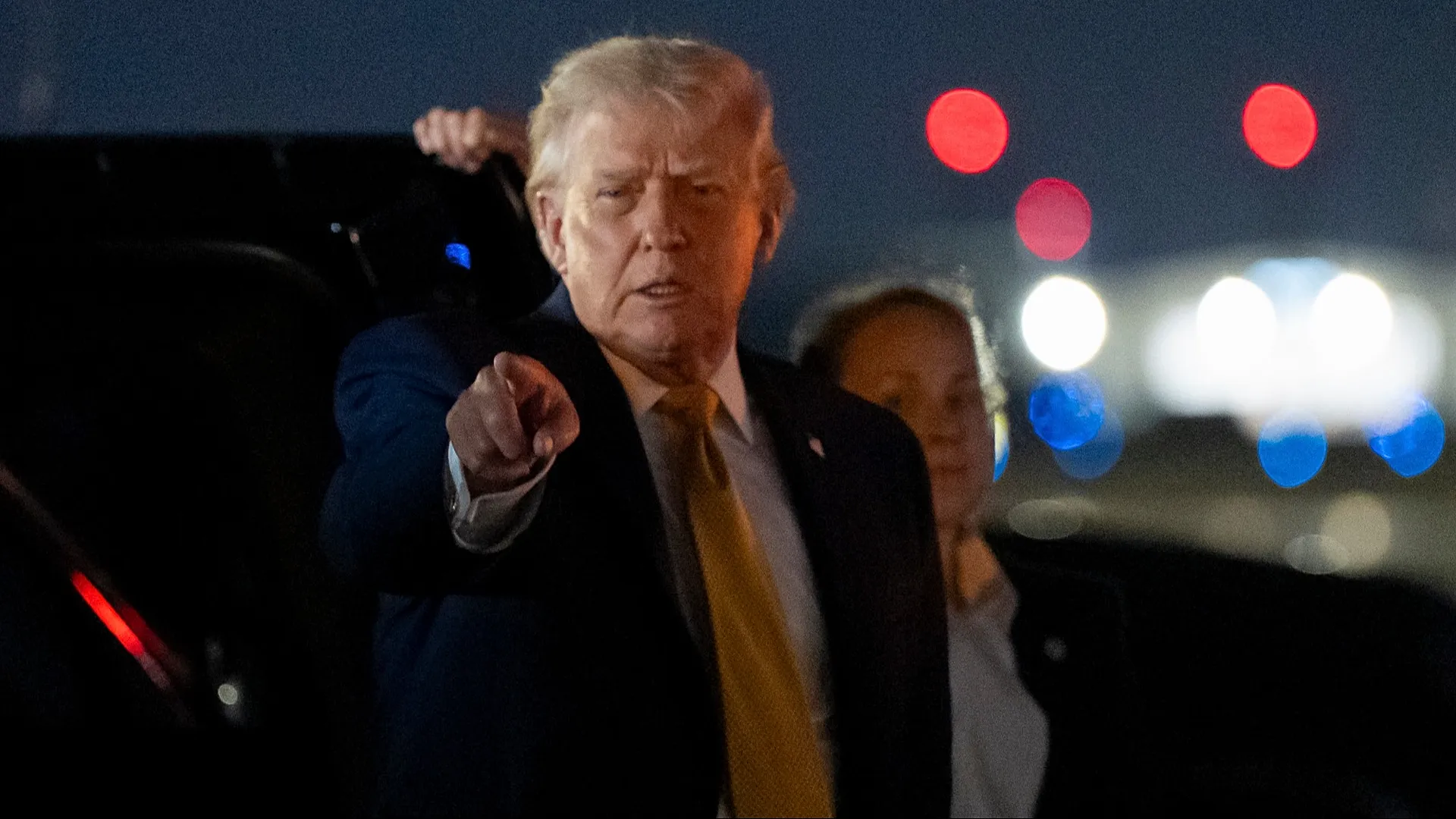
The former U.S. president’s remarks highlight tensions over political authority and the future of governance in Venezuela.
Washington, United States.
Former U.S. President Donald Trump stated that elections in Venezuela are not currently a priority and asserted that he is “in charge,” comments that underscore ongoing tensions over political authority and external influence in the crisis confronting that country. Speaking in a public address, Trump framed his stance as a continuation of a policy aimed at shaping the political transition in Venezuela, but his language drew criticism from regional leaders and advocates of democratic process, who argued that statements about control and direction risk undermining the legitimacy of nationally led political solutions.
Trump’s remarks followed weeks of intense engagement by the United States with developments in Venezuela, including a controversial military operation that resulted in the reported ouster of Nicolás Maduro from the presidency and a period of contested succession. In this context, Trump’s emphasis on his personal leadership role reflects a broader debate about the balance between external support for democratization and respect for the sovereignty of Venezuelan institutions. Critics noted that assertions about being “in charge” could complicate diplomatic efforts and fuel narratives of foreign domination at a time when many Venezuelans are seeking an internally driven political path.
The Venezuelan government and opposition factions have reacted differently to external statements about electoral processes and governance. Some opposition figures welcomed international attention on democratic transition and accountability, viewing sustained engagement as essential to ending years of polarization and economic hardship. Others, including some civil society groups, cautioned against framing the resolution of Venezuela’s political crisis solely through the lens of external leadership, noting that durable solutions typically require broad domestic consensus and inclusive electoral processes.
Regional governments and multilateral bodies have consistently emphasized the importance of elections as a mechanism for legitimizing political authority and advancing peaceful transition. Calls from these actors have included appeals for transparent, internationally supervised electoral processes that enable Venezuelans to determine their own future without coercion. Trump’s dismissal of elections as a current priority was seen by some observers as at odds with these broader calls for participatory and accountable governance, raising questions about alignment between U.S. policy rhetoric and multilateral expectations.
Analysts of Latin American politics noted that pronouncements from influential international figures can have both symbolic and practical impact, shaping perceptions of foreign intent and domestic agency. In societies marked by deep political divisions, references to external control or leadership may resonate in ways that inadvertently strengthen narratives about lost autonomy or undermine confidence in local political institutions. This dynamic complicates efforts to foster inclusive political dialogue and build trust across diverse sectors of Venezuelan society.
The United States has maintained that its engagement with Venezuela is aimed at supporting democratic norms, human rights and a peaceful resolution to longstanding conflict. Statements from various U.S. officials have reiterated support for institutional strengthening and electoral legitimacy, even as policy approaches differ among leaders and across administrations. Trump’s comments introduce a particular rhetorical dimension to these engagements, one that emphasizes assertive leadership but also invites scrutiny regarding respect for sovereign political processes.
Within Venezuela, reactions to external commentary on elections and leadership vary according to political affiliation, personal experience and expectations for the future. Many citizens express the desire for free and fair elections as a cornerstone of stability and international reintegration, while others remain skeptical about the feasibility of such processes amid ongoing economic and institutional challenges. The interplay between domestic aspirations and international positions continues to shape public discourse.
The evolving situation highlights the complexity of navigating political transition in a context where external statements and internal expectations intersect. As debates over the role of elections and the influence of foreign actors persist, the path toward enduring political legitimacy in Venezuela remains contested and deeply tied to perceptions of autonomy, representation and collective will.
Detrás de cada dato, hay una intención. Detrás de cada silencio, una estructura.
Behind every data point, there is an intention. Behind every silence, a structure.