

 Phoenix 24
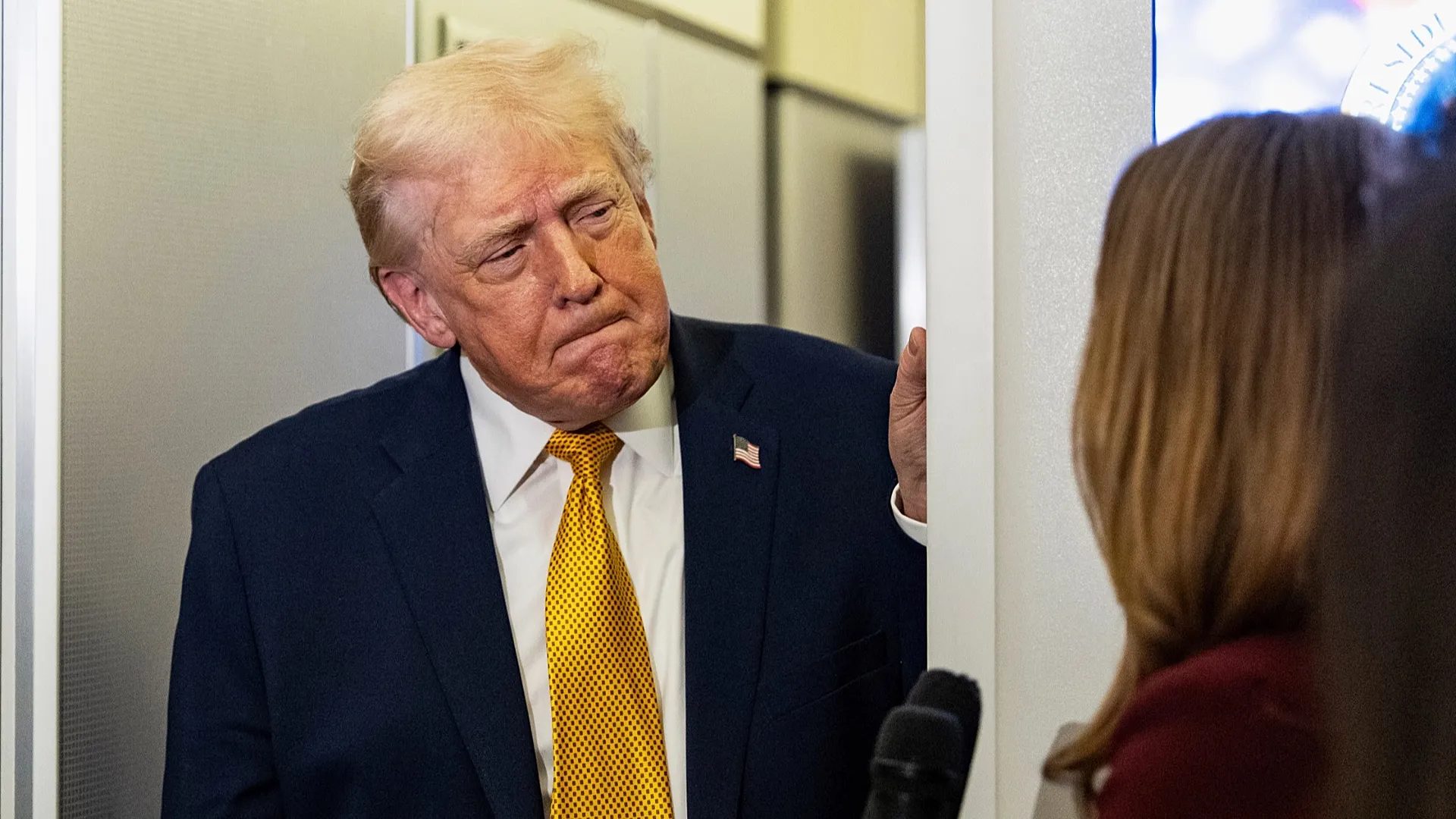
When energy policy becomes geopolitics, emissions are the battlefield.
Caracas, January 2026.
Plans announced from Washington to expand the exploitation of Venezuelan crude under a revived US-Venezuela energy cooperation framework have provoked fierce criticism from environmental activists, climate scientists and parts of the international diplomatic community. The initiative, rooted in a strategic pivot toward securing Western access to heavy oil reserves, illustrates once again how fossil fuel imperatives remain deeply embedded in global power calculations, even as climate urgency intensifies.
The Trump administration’s proposal involves unlocking vast Venezuelan crude deposits, particularly in the Orinoco Belt, with the explicit objective of boosting energy exports to the United States and allied markets. Officials argue that diversifying supply sources, especially during periods of geopolitical tension, strengthens energy security and reduces reliance on adversarial producers. In official statements, US energy strategists frame the move as both pragmatic and stabilizing, positioning increased Venezuelan output as a buffer against volatility in the Middle East and broader global markets.
But climate advocates see this policy through a radically different lens. For them, expanding the extraction of one of the world’s most carbon-intensive oil grades runs counter to international commitments made under the Paris Agreement and subsequent climate negotiations. Environmental organizations have sharply criticised the plan, portraying it as a regression to fossil fuel dependency at a time when scientific consensus insists on rapid decarbonization to avert the worst impacts of global warming.
The controversy underscores a fundamental tension within contemporary energy governance: strategic priority versus environmental necessity. In capitals across Europe, climate ministers and green coalitions have expressed concerns that stronger ties between the United States and Venezuelan oil infrastructure could undercut broader Western commitments to reduce greenhouse gas emissions. Some European policymakers argue that any expansion of fossil fuel activity needs to be balanced by clear benchmarks for emissions reduction, transparent reporting mechanisms, and accelerated investment in renewable technologies.
Latin American voices are similarly divided. Certain Venezuelan economic analysts welcome increased investment as a pathway to reviving a stagnating energy sector that once dominated global oil markets. For them, structural reform and capital inflows are essential for economic recovery. Other regional observers caution that prioritising fossil extraction without robust environmental safeguards risks exacerbating climate vulnerability in a region already suffering from heat extremes, sea-level rise and biodiversity loss.
Scientific communities have weighed in with warnings about the climate consequences of exploiting heavy crude reserves at scale. Climate models consistently demonstrate that additional fossil fuel production beyond current projections could significantly compromise Europe’s and North America’s ability to meet their mid-century decarbonisation targets. These assessments challenge the notion that energy security and climate goals are easily reconcilable in a world still reliant on hydrocarbon infrastructure.
Environmental activists view the policy not simply as an economic choice but as a moral one, emblematic of entrenched fossil fuel interests that resist the pace of energy transition. Campaigns and protests have emerged in major cities in Europe and the United States, calling on governments to pivot toward renewables, electrification and efficiency instead of doubling down on crude extraction.
At a time when global negotiations on climate finance, adaptation support and emissions reduction frameworks are underway, the United States’ approach to Venezuelan oil serves as a litmus test for how seriously major powers intend to integrate climate risk into strategic decision-making. The region stands at a crossroads: one path continues to valorize petro-geopolitics as the anchor of national power; another seeks to redefine strategic value through decarbonisation and resilience.
For climate scientists, the stakes are clear. Delaying the transition away from fossil fuels increases the likelihood of surpassing critical thresholds for temperature rise, with cascading impacts on ecosystems and societies. Their message echoes through the controversy surrounding Venezuelan oil: energy security must be reimagined not only in terms of supply chains and markets, but in alignment with planetary boundaries that are increasingly non-negotiable.
Each policy choice in this domain reverberates far beyond immediate markets, shaping trajectories of emissions, development and geopolitical influence. Trump’s Venezuelan oil strategy has thus become more than an economic proposition; it has crystallized a global debate about the future of energy, climate accountability and the legitimacy of fossil economics in an era defined by environmental imperatives.
Truth is structure, not noise.
La verdad es estructura, no ruido.