

 Phoenix 24
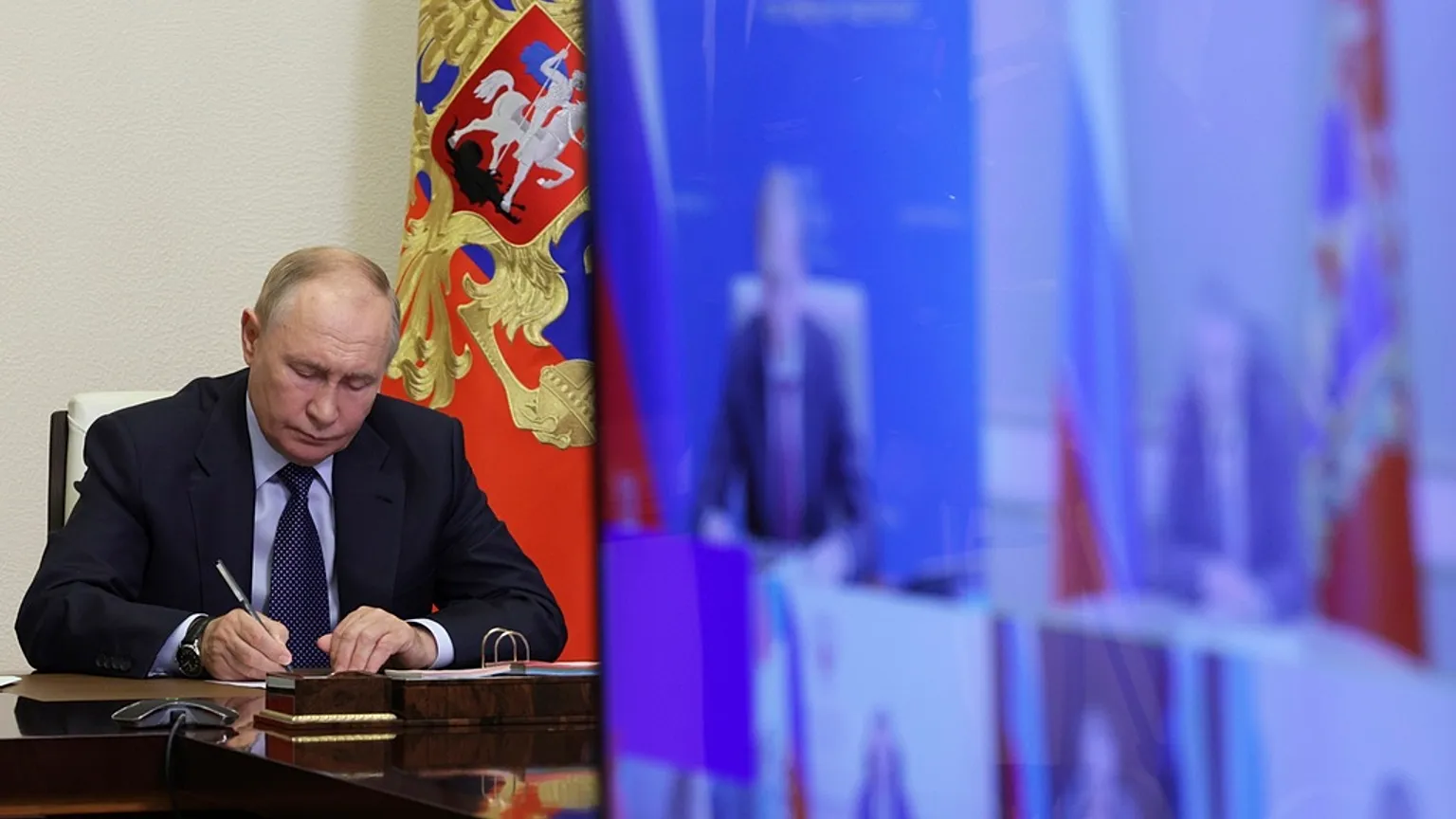
The narrative unfolds amid diplomatic tension, contested evidence and heightened information warfare.
Moscow, Russia.
Russian authorities have reiterated claims that a Ukrainian drone operation attempted to strike a residence associated with President Vladimir Putin, maintaining their version of events despite denials from Kyiv and skepticism among Western governments. According to official Russian statements, air defense systems intercepted multiple unmanned aerial vehicles before they could cause damage, and no casualties were reported. The Kremlin has framed the alleged incident as a serious escalation that, if confirmed, would carry political and strategic consequences.
The Russian Ministry of Defence has asserted that the drones were launched from Ukrainian territory and targeted a protected site used by the Russian president. Officials described the alleged operation as coordinated and deliberate, emphasizing that the interception demonstrated the effectiveness of Russia’s air defense capabilities. State media outlets have amplified this narrative, portraying the incident as evidence of Ukraine’s willingness to strike symbolic targets connected to the Russian leadership.
Ukrainian authorities have categorically rejected the accusation. Officials in Kyiv have stated that no such attack occurred and have characterized the claim as disinformation designed to influence diplomatic dynamics and justify a harder military stance. Ukrainian representatives argue that the lack of independent verification and the absence of corroborating evidence undermine the credibility of Moscow’s account.
Western governments and international observers have echoed these doubts. Officials from several European capitals and the United States have noted that available intelligence does not confirm an attempted strike on the residence. Analysts have pointed to inconsistencies in the Russian narrative and the absence of verifiable open source evidence, including reports from local residents or independent monitoring groups that would normally detect large scale drone activity.
The timing of the renewed claims has drawn attention. Moscow’s insistence on the alleged attack coincides with renewed diplomatic efforts aimed at exploring potential pathways toward de escalation in the conflict. Critics suggest that such accusations may serve to complicate negotiations, reshape international perceptions or reinforce domestic narratives at a politically sensitive moment.
Within Russia, the allegations have been used to underscore themes of external threat and national security. Official commentary has avoided clarifying whether President Putin was present at the residence at the time of the alleged incident, focusing instead on the symbolic nature of the target and the purported intent behind the operation. This ambiguity has further fueled questions about the purpose and framing of the claim.
The episode illustrates the broader role of information warfare in the ongoing conflict. Competing narratives, selective disclosure of evidence and strategic messaging have become integral to how military and political developments are presented to both domestic and international audiences. In this context, allegations of attacks on high profile or symbolic locations carry weight beyond their immediate factual basis.
As of now, independent verification of the incident remains absent. The gap between official claims and external assessments highlights the challenges faced by observers attempting to disentangle fact from strategic communication. Whether the allegation will have lasting diplomatic or military consequences remains uncertain, but it has already contributed to an atmosphere of heightened mistrust.
The situation underscores how narratives can be weaponized alongside conventional military tools. In conflicts where perception, legitimacy and timing matter as much as territorial control, unverified claims can shape reactions and constrain diplomatic space even without conclusive proof.
Detrás de cada dato, hay una intención. Detrás de cada silencio, una estructura.
Behind every data point, there is an intention. Behind every silence, a structure.