

 Phoenix 24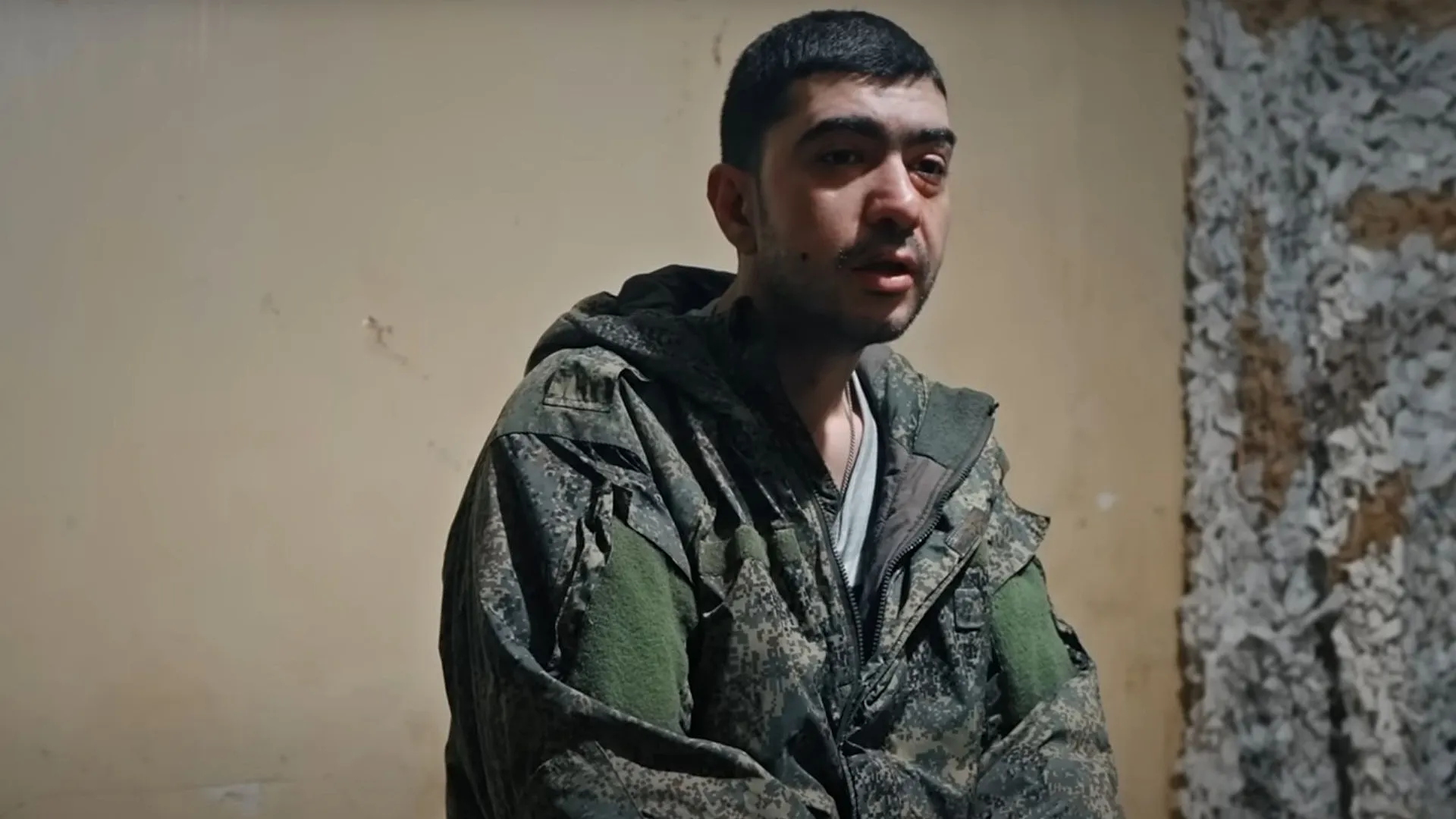
In a conflict often mapped through tanks, drones and geopolitics, his voice cuts through the statistics to reveal the texture of lived reality.
Kharkiv, December 2025.
When Arash Darbandi left Tehran two years ago with his camera gear and press credentials, he never imagined his next assignment would see him captured in the shell-scarred suburbs of eastern Ukraine, living days that blurred into weeks under detention before an uncertain exchange finally secured his freedom. Now back in territory held by Ukrainian forces, he recounts in detail the moments that transformed him from observer to witness in the most personal sense.
Darbandi’s journey into Ukraine’s war zone began in early 2024, when the international press corps expanded its lens beyond front lines into the fractured cities of Donetsk and Luhansk. As the conflict entered its third year, the battles had hardened into attritional struggles marked by artillery duels, drones buzzing overhead, and shifting lines that defied simple charts. For Darbandi, the mission was documentary, aimed at capturing the human dimension of a war that had displaced millions and reshaped Europe’s geopolitical landscape.
His apprehension occurred during an advance by Russian-aligned forces near a strategic rail hub. According to his account, he was photographing a destroyed apartment block when a patrol detained him, accusing him of espionage and spreading “hostile narratives.” Darbandi insists he identified himself clearly as press, showing multiple credentials from international media outlets and offering contacts for verification. Despite his efforts, he was taken into custody and moved several times between makeshift detention facilities under conditions that tested both his physical endurance and psychological resilience.
In conversation, Darbandi speaks with precise recall about the moments of fear and uncertainty, the rhythms of detention punctuated by interrogation, forced silence, and the ever-present worry about his family’s reaction thousands of kilometers away. “When you hold a camera,” he says, “you think you are protected by truth. But in war there is no protection that everyone acknowledges.”
His account also reflects broader dynamics that shape the experiences of foreign correspondents in conflict zones, whether in the Middle East, Africa, or, as here, Europe’s eastern flank. Journalists traveling into contested areas often navigate a maze of armed groups, shifting control lines, and competing narratives about legitimacy and threat. In Ukraine, the war has drawn reporters from America, Europe, the Middle East and Asia, each seeking to document a conflict with global strategic implications. Yet the risks have multiplied as militaries and proxies alike scrutinize media presence through the lens of information operations, counter-intelligence concerns and the symbolic power of what is captured on film or in words.
Darbandi’s case became a point of negotiation between Ukrainian authorities and his contacts abroad. Behind the scenes, diplomatic channels worked quietly; his release ultimately came through a negotiated prisoner exchange that reflected not only geopolitical calculus but also the network of advocacy by press freedom organizations across regions. It was a reminder that even in a high-intensity conflict environment, nonstate actors and civil society coalitions can exert influence on behalf of an individual caught between warring parties.
The experience left an imprint on Darbandi. He speaks less about frontline action now and more about the people he documented before his capture—families in makeshift shelters, farmers returning to fields scarred by shell craters, children learning in classrooms that double as air-raid shelters. These human stories, he emphasizes, are the true subject of his work and the reason he returned to the conflict zone after his release.
From a strategic standpoint, Ukraine’s conflict has evolved into a proxy arena where global powers test military doctrines, drone swarms, electronic warfare and supply chain resilience. But for correspondents like Darbandi, the war is not a chessboard of strategy; it is a mosaic of human choices, losses, endurance and hope. His testimony unpacks the psychological burden of witnessing destruction and the ethical quandaries of representing others under duress.
Darbandi also reflects on how his Iranian identity shaped perceptions about him among various armed actors. In some settings it made him an object of suspicion, in others a figure of empathetic exchange. He avoided reduction of his identity to a stereotype, underscoring that in conflict zones, national origin can influence treatment, access and the assumptions interlocutors bring to each encounter.
Despite what he endured, Darbandi has returned to fieldwork, driven by a conviction that the stories at the margins demand documentation even as the risks persist. This decision, he says, springs not from recklessness but from a deep commitment to bearing witness. “To be silent,” he reflects, “is to let others define the meaning of suffering.”
As 2025 draws to a close, his narrative stands as a testament to the human dimension of war reporting, where facts intersect with emotion and where the lived experiences of journalists become part of the broader chronicle of conflict.
Phoenix24: clarity in the grey zone. / Phoenix24: claridad en la zona gris.