

 Phoenix 24
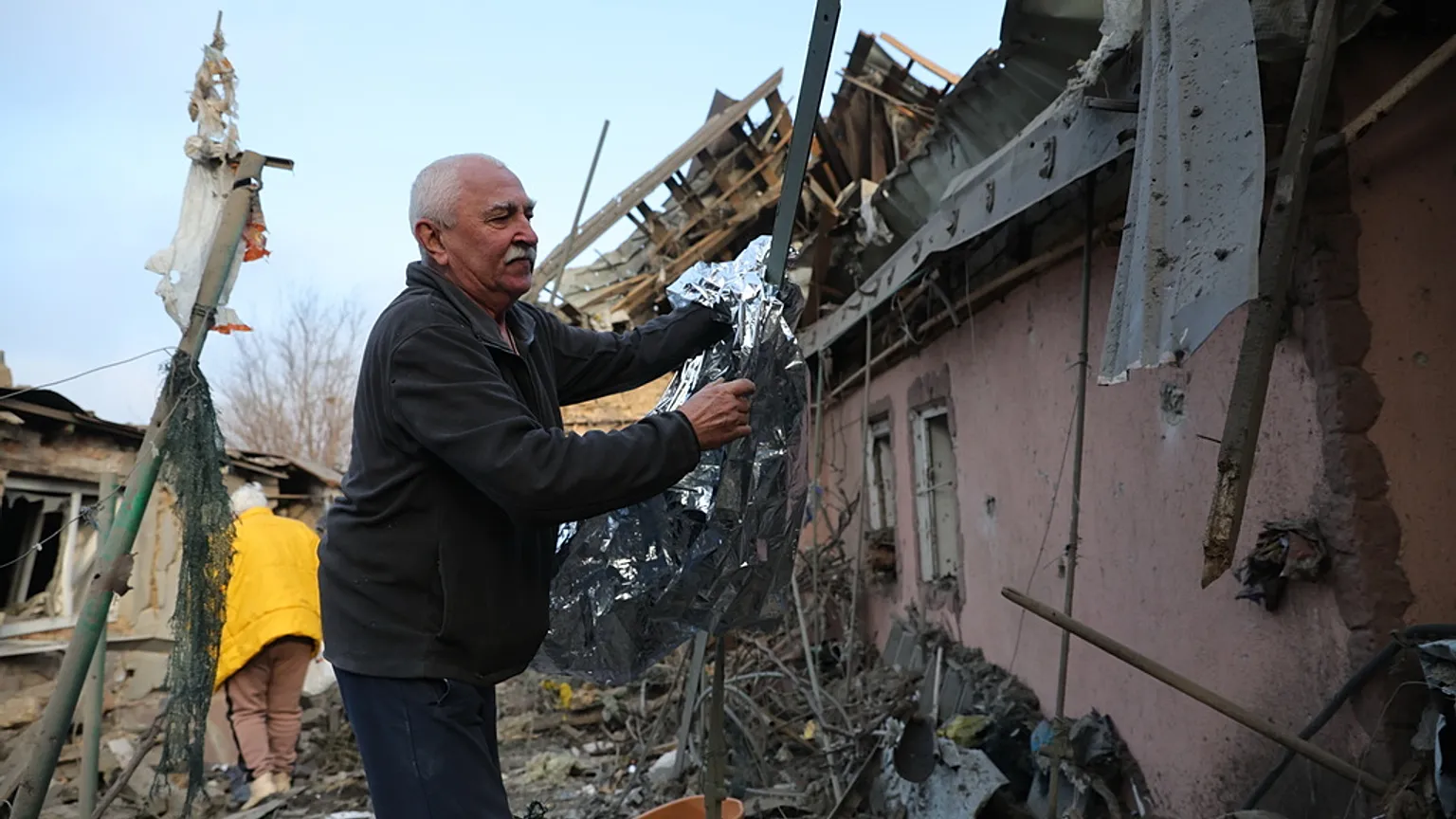
When war revisits cities in the dark, the cost is measured in lives rather than territory.
Kyiv, December 2025
At least four civilians were killed and several others injured across Ukraine following a new wave of Russian aerial attacks over the past twenty four hours, according to Ukrainian authorities. The bombardments, carried out overnight, struck multiple regions and involved drones and missile systems aimed at both urban and semi urban areas. Emergency services reported damage to residential buildings, energy infrastructure and public facilities, underscoring the persistent vulnerability of civilian spaces far from the front lines.
Local officials in northeastern and eastern regions confirmed fatalities after strikes hit residential zones while residents were sheltering from air raid alerts. In several cases, debris from intercepted drones caused secondary damage, complicating rescue operations and emergency response. Medical teams were deployed throughout the night as hospitals treated civilians suffering from blast injuries and shock. Authorities emphasized that the toll may rise as assessments continue in affected areas.
Ukraine’s air defense systems intercepted a significant number of incoming drones, yet officials acknowledged that saturation attacks continue to strain defensive capacity. The use of large numbers of unmanned aerial vehicles has become a defining feature of the conflict’s current phase, allowing sustained pressure on civilian infrastructure while complicating interception efforts. Military analysts within Ukraine describe the pattern as a strategy of attrition designed to exhaust defensive resources and undermine civilian morale.
The renewed strikes prompted statements from Kyiv condemning the attacks as deliberate pressure on non military targets. Government representatives reiterated calls for additional air defense support and accelerated delivery of protective systems from international partners. They argued that without reinforced defensive coverage, urban centers remain exposed to repeated cycles of nighttime assaults that disrupt daily life and critical services.
Beyond the immediate casualties, humanitarian organizations warned of the cumulative impact of sustained bombardment on civilian resilience. Repeated air raids have disrupted electricity supply, heating systems and transportation networks at the onset of winter, amplifying risks for displaced populations and vulnerable communities. Aid groups reported increasing psychological strain among residents subjected to prolonged alerts and nocturnal attacks, describing a population living under constant anticipation of impact.
International reactions followed swiftly, with multiple governments issuing statements condemning the strikes and reiterating support for Ukraine’s territorial integrity. Diplomatic efforts continue in parallel, yet the persistence of deadly attacks highlights the distance between political dialogue and conditions on the ground. For many observers, the events of the past day reaffirm that despite diplomatic signals, the conflict remains locked in a cycle where escalation regularly precedes negotiation.
As assessments continue and rescue operations conclude, Ukrainian officials stressed that civilian protection remains the most urgent priority. Each new strike reinforces a reality that has defined the conflict for years: the battlefield increasingly overlaps with daily life, and the consequences of war are borne not only by armies but by ordinary people navigating nights shaped by sirens, explosions and uncertainty.
Phoenix24. The visible and the hidden, in context. / Phoenix24. Lo visible y lo oculto, en contexto.