

 Phoenix 24
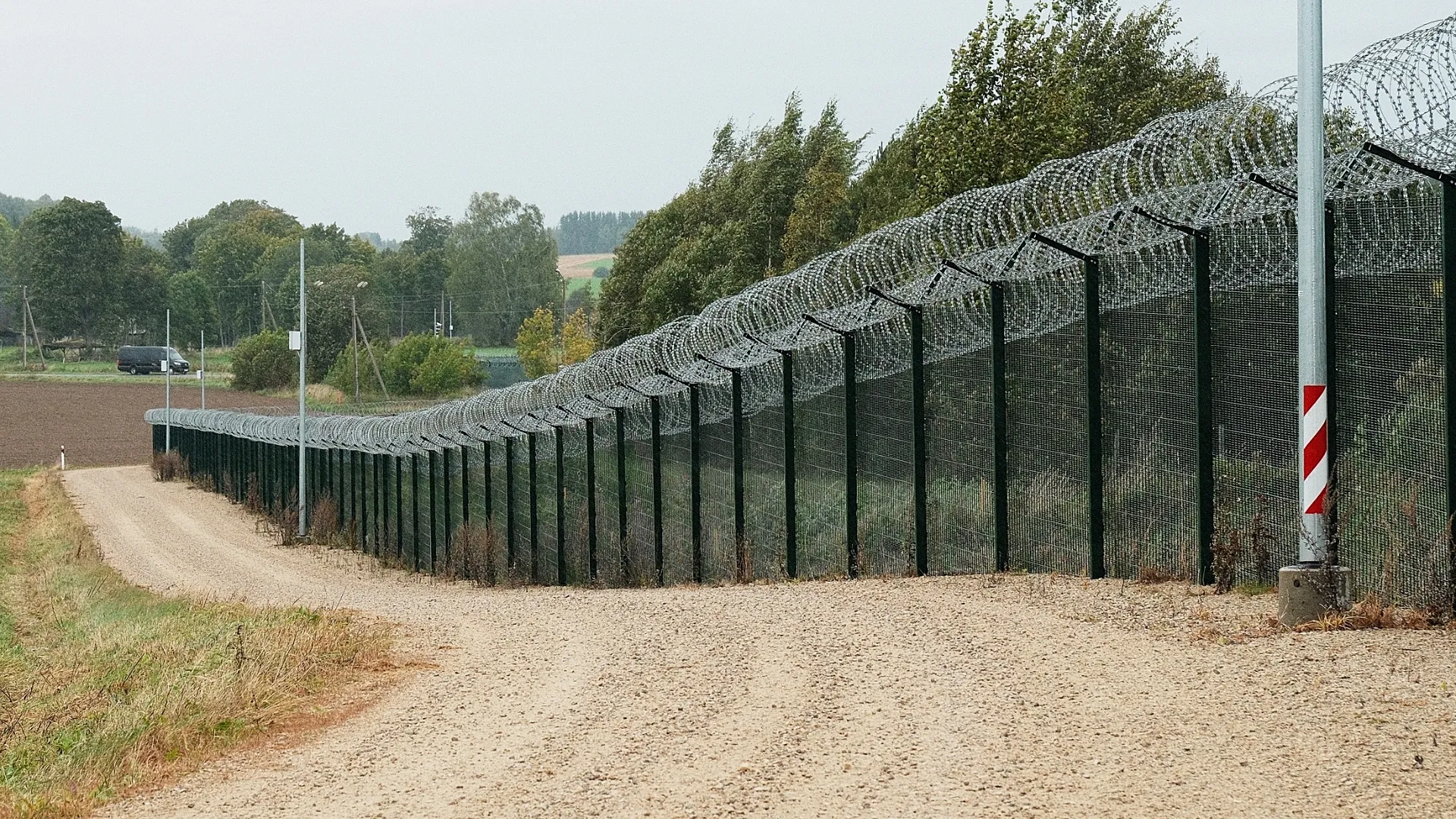
What appears minor on the map carries disproportionate weight on the strategic ledger.
Tallinn, December 2025.
Estonia has accused Russian border guards of briefly crossing into its territory, an incident that Tallinn describes as a violation of the external border of the North Atlantic Treaty Organization and a reminder of the persistent fragility along Europe’s eastern edge. According to Estonian authorities, the episode involved a small group of Russian personnel who crossed the internationally recognized border near the Narva River, remained on Estonian soil for a short period, and then returned to the Russian side. No weapons were discharged, no confrontation occurred, and no immediate threat was identified. Yet the political and strategic implications extend far beyond the physical distance covered.
The Estonian Interior Ministry stated that the incursion was documented by surveillance systems and took place in a sensitive stretch of the border that has long functioned as both a geographic and symbolic fault line between Russia and the Euro Atlantic security architecture. While officials stressed that the situation was rapidly contained, they emphasized that any unauthorized crossing by uniformed personnel constitutes a breach of sovereignty and cannot be dismissed as a navigational error or routine patrol mishap.
Tallinn responded by increasing patrols and situational awareness along the border area and by summoning Russia’s diplomatic representative to demand an explanation. The move reflects a calibrated response designed to signal firmness without triggering escalation. Estonia did not invoke NATO’s collective defense mechanisms, nor did it characterize the incident as an act of aggression. Instead, it framed the event as part of a broader pattern of pressure tactics that test boundaries while remaining below the threshold of overt confrontation.
This approach is consistent with how Baltic states have managed similar episodes in recent years. Estonia, Latvia and Lithuania have repeatedly warned that Russia employs ambiguity as a strategic tool, using small scale actions to probe responses, gather intelligence and reinforce uncertainty. For Tallinn, the concern is not the isolated step across a riverbank but the normalization of such behavior over time.
The broader regional context amplifies these concerns. Since the full scale war in Ukraine reshaped Europe’s security environment, NATO’s eastern members have increased defense spending, expanded forward deployments and strengthened coordination with allies. Finland and Sweden’s integration into NATO has further extended the alliance’s direct border with Russia, increasing both deterrence and friction. Within this environment, even brief incidents acquire outsized symbolic meaning.
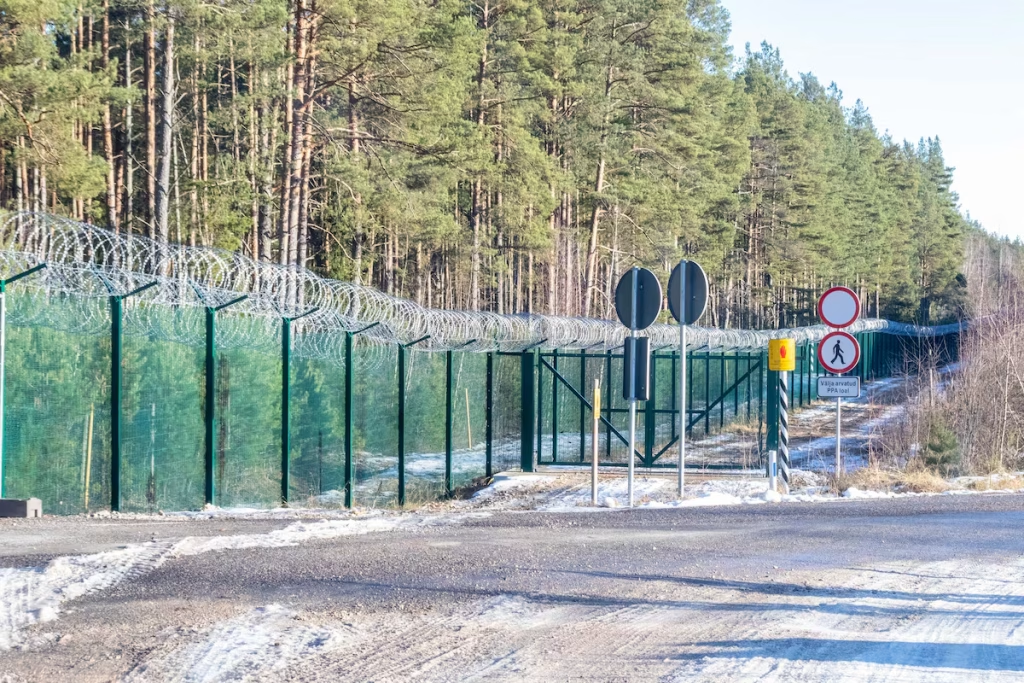
From Moscow’s perspective, border regions like Narva sit within a long contested historical and political landscape. Russian officials have not publicly acknowledged wrongdoing in this specific case, and past incidents have often been described by Moscow as misunderstandings or technical errors. However, Western analysts argue that such explanations obscure a deliberate strategy of calibrated pressure that avoids clear escalation while sustaining leverage and signaling reach.
Security analysts affiliated with European think tanks have noted that these incidents align with a broader pattern of hybrid signaling. The objective is not territorial gain but psychological and political effect, reinforcing the perception that borders are permeable and that NATO’s eastern flank remains under constant scrutiny. In this sense, the act itself matters less than the message it conveys.
NATO officials have reiterated that the alliance monitors the situation closely and maintains constant communication with Estonian authorities. While no changes to force posture were announced following the incident, allied commanders have emphasized readiness and rapid response capabilities as central pillars of deterrence. The message to Moscow remains consistent: small scale actions are observed, recorded and factored into strategic assessments, even when they fall short of triggering immediate countermeasures.
For Estonia, the incident resonates deeply with national memory. The country regained independence only in the early 1990s after decades of Soviet rule, and border integrity carries existential significance. The Narva region, with its mixed population and proximity to Russia, has long been viewed as a potential pressure point. Ensuring clarity and control along that line is therefore as much a political priority as a security one.
At the same time, Estonian officials have been careful to avoid inflammatory rhetoric. By framing the response in legal and diplomatic terms, Tallinn aims to reinforce international norms rather than personalize the dispute. The emphasis on documentation, formal protest and allied consultation reflects a strategy of institutional resilience rather than unilateral escalation.
The incident also underscores a structural tension shaping European security. As long as the war in Ukraine continues and relations between Russia and NATO remain adversarial, border zones will function as theaters of signaling. Each patrol, flight or crossing carries layered meaning, interpreted through the lens of broader confrontation. Stability, under such conditions, depends less on the absence of incidents than on the management of their consequences.
In practical terms, Estonia is likely to continue investing in border surveillance, rapid reporting mechanisms and allied coordination. These measures aim not to militarize the frontier, but to reduce ambiguity and prevent miscalculation. The goal is to ensure that any future incident is met with clarity rather than surprise.
What occurred on the Estonian Russian border was brief and contained. Yet it illustrates how, in the current European security climate, even minimal actions can ripple outward, reinforcing distrust and shaping strategic narratives. Borders remain lines on the map, but they are also instruments of pressure. How they are tested, and how those tests are answered, will continue to define the stability of NATO’s eastern frontier.
Phoenix24: clarity in the grey zone.