

 Phoenix 24
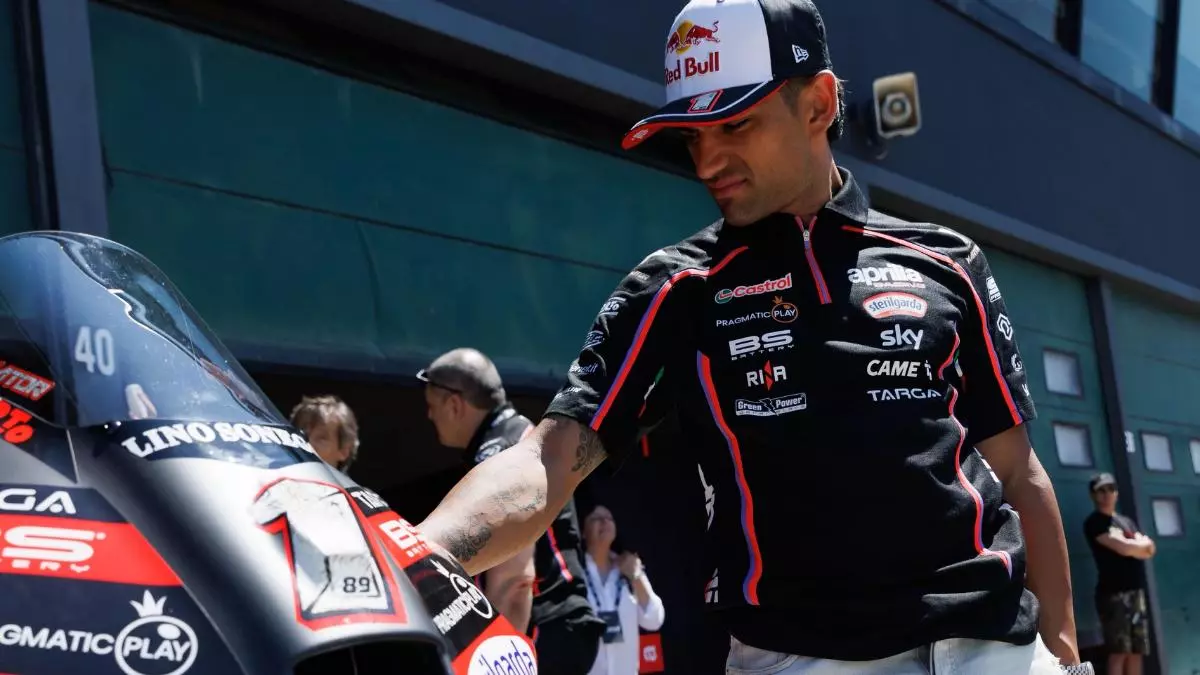
New insights from the paddock highlight internal pressures and strategic recalibrations that influenced recent racing outcomes.
Rome, December 2025.
In remarks that illuminate some of the less visible facets of top-level motorcycle racing, the team principal of Aprilia has detailed internal tensions and strategic disagreements that occurred during key moments of the current MotoGP season, underlining how competitive pressure and divergent priorities among leadership, riders and technical staff shaped performance trajectories. The comments were made in a press briefing following recent Grand Prix action and provide an unusual public glimpse into the complex interplay of personalities, strategic decisions and competitive exigencies that characterize an elite racing operation.
According to the team boss, the so-called “culebrón,” a Spanish term broadly referring to a convoluted and dramatic sequence of events, emerged largely from disagreements over development direction and race-to-race tactical choices. While Aprilia has achieved notable successes and podium finishes in recent years, the narrative emerging from within the team reflects an environment where differing assessments of risk, optimal setup and long-term planning occasionally collided. In high-stakes contexts such as MotoGP, where tenths of a second can separate victory from disappointment, these internal debates can influence not only morale but also technical decisions that have measurable effects on track performance.
The mechanic-to-manager tension described involves balancing short-term competitive opportunities against the need for sustained development under evolving technical regulations. Riders and engineers often bring distinct perspectives to the garage, with some advocating for immediate adjustments aimed at maximising grip or stability at specific circuits, while others prioritise iterative improvements that build cumulative advantages over the season. The team boss’s account suggests that navigating these viewpoints required careful calibration and, at times, personal mediation to align the group around coherent strategic objectives.
Behind the scenes, sources familiar with the paddock dynamics say that Aprilia’s internal discussions reflected broader challenges faced by several factory teams in MotoGP. As rule changes and aerodynamic innovations alter competitive equations, teams are increasingly forced to balance innovation with reliability, and ambition with pragmatism. This balancing act plays out not only in technical meetings but also in the interactions between riders, who provide feedback from the cockpit, and technical directors, who translate that feedback into engineering priorities. Resolving these interactions constructively is often as critical to success as the quality of the machinery itself.
For Aprilia, the public acknowledgement of these tensions marks a departure from the typically guarded communications of factory teams, which more often emphasise unity and shared purpose. The transparency may reflect an awareness that fans, sponsors and broader audiences are interested not only in race results but also in the stories that animate competition behind the scenes. MotoGP, in this sense, has become as much about the narrative of rivalry and resolution as it is about outright speed on race day.
Analysts observing the situation note that internal pressures, when managed effectively, can lead to innovation and resilience. By providing space for diverse opinions and fostering an environment where technical debate is integrated into strategic planning, a team can emerge stronger and more cohesive. However, if disagreements are not addressed and harmonised, they can fragment focus and undermine performance consistency. The Aprilia team boss’s remarks suggest that management has worked to channel competitive disagreement into constructive decision-making, even amid the emotional intensity that surrounds flagship events on the MotoGP calendar.
For riders, navigating internal team dynamics adds an additional layer to the already demanding task of negotiating high-speed scenarios on race tracks around the world. Technical feedback must be translated into language that engineers can operationalise, and strategic priorities must be aligned with individual racing styles and physiological capacities. That this interplay has become part of the public discourse reflects the sport’s evolution, where the human dimensions of competition are increasingly recognised alongside mechanical precision.
As the MotoGP season progresses and teams prepare for off-season testing and next year’s technical shifts, the Aprilia narrative of internal negotiation and strategic alignment will likely feature in broader reflections about how top teams manage complexity. The capacity to integrate divergent perspectives into a cohesive competitive strategy remains a hallmark of sustained success in the world’s premier motorcycle racing championship.
Every silence speaks.
Cada silencio habla.