

 Phoenix 24
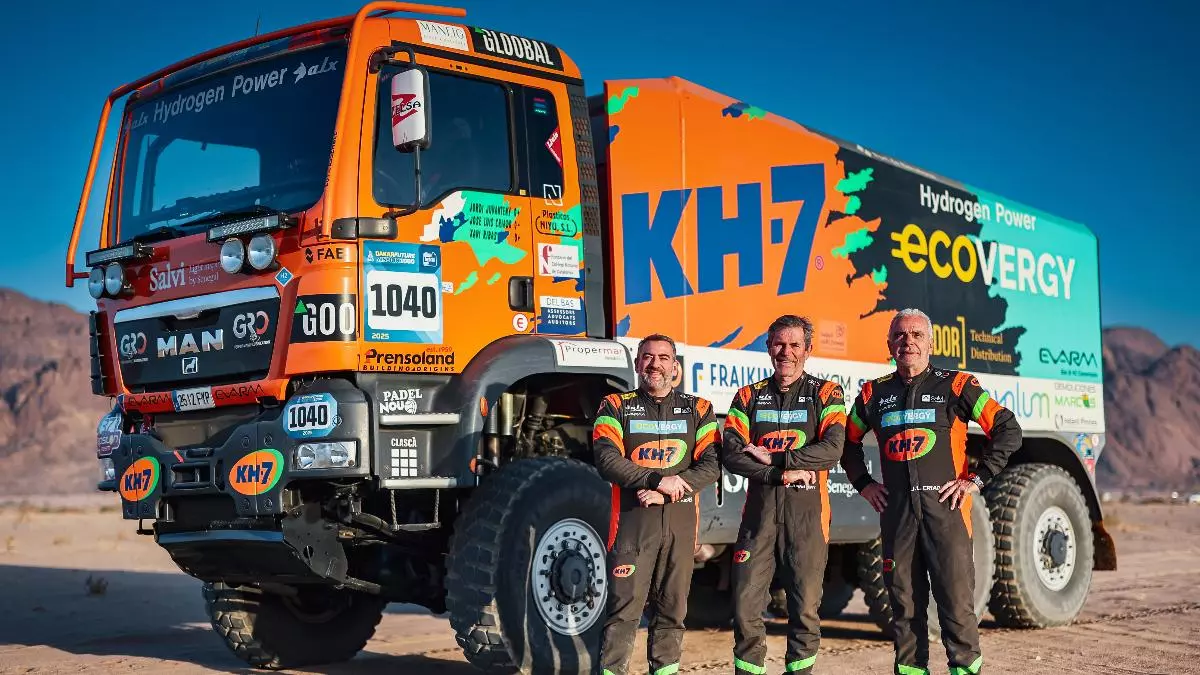
In a sport defined by extremes of human and mechanical performance, the introduction of hybrid hydrogen technology underscores a new chapter in off-road competition.
Barcelona, December 2025.
The Dakar Rally, long emblematic of raw mechanical endurance and the limits of machine and driver alike, has welcomed a breakthrough innovation as the first hybrid hydrogen-electric truck enters the arena. This development reflects not only the evolving priorities of motorsport but also the broader impetus toward cleaner technologies in environments traditionally dominated by internal combustion engines. The hybrid vehicle, introduced by a team with a decade of experience in off-road competition, combines the torque and reliability of electric power with the energy density and rapid refueling capabilities of hydrogen, offering a technological bridge between performance and sustainability.
The Dakar Rally’s demanding courses, which stretch across deserts, mountains and variable terrain over thousands of kilometers, have long served as a testing ground for automotive robustness. In this context, the deployment of a hydrogen-electric hybrid truck carries symbolic and practical weight. The engineering challenge lies in balancing the rugged requirements of endurance racing with the complexities of storing, converting and delivering energy in forms that minimize environmental impact. The new vehicle’s propulsion system integrates electric motors powered by hydrogen fuel cells, supported by a battery array that captures and reuses energy generated during braking and downhill runs. This configuration aims to achieve a blend of efficiency and durability without compromising the relentless power demands of Dakar’s toughest stages.
For the team behind the project, the introduction of the hybrid truck represents years of research and iterative development. Engineers and technicians have worked to address issues of weight distribution, thermal management and energy flow, ensuring that the benefits of electrification do not come at the expense of the vehicle’s ability to withstand continuous stress. Hydrogen storage, in particular, required careful consideration to maintain safety and performance under conditions of heat, vibration and sustained load. The resulting design reflects a synthesis of traditional rally-ready construction and emerging clean energy systems.
Drivers and support crew have noted that operating a hybrid vehicle in the Dakar environment demands a recalibration of strategy. Unlike conventional diesel trucks, which rely on predictable consumption patterns, the hydrogen-electric hybrid introduces variables related to energy regeneration, combustion efficiency and power delivery mapping. These factors influence decisions about pacing, terrain negotiation and fatigue management over the course of multi-day stages. The human element remains paramount, and the team’s preparatory camps have dedicated significant time to acclimating drivers to the nuances of hybrid operation in extreme conditions.
The introduction of the hybrid truck also resonates within the broader discussions about the future of motorsport. As racing series around the world experiment with alternative energy technologies, from biofuels to fully electric formats, the Dakar Rally’s embrace of a hydrogen-electric platform signals an openness to innovation in even the most demanding competitive scenarios. Organizers and industry stakeholders see this development as part of a wider narrative in which endurance events can coexist with efforts to reduce carbon footprints and explore viable pathways toward cleaner mobility.
Critics and advocates alike have weighed in on the significance of hybrid technology in a competition historically associated with brute mechanical force. Some argue that the Dakar Rally’s identity is inseparable from its reliance on conventional fuel systems, while others contend that embracing newer technologies is essential for the sport’s relevance in a world facing climate challenges. The hybrid truck stands at the intersection of these perspectives, neither replacing traditional entrants nor remaining a novelty, but rather posing a question about how motorsport can evolve without losing its core appeal.
Regional and international interest in hydrogen as an energy carrier has grown in recent years, with research and pilot projects exploring its applications across transportation, industry and power generation. In the context of off-road racing, hydrogen’s potential to deliver high energy output with reduced emissions offers practical and symbolic value. However, widespread adoption depends on infrastructure readiness, supply chain development and continued innovation to drive costs down while enhancing reliability. The Dakar Rally’s hybrid entrant serves as both an experiment and a statement about what is possible when competitive drive aligns with technological ambition.
Support teams accompanying the hybrid truck during the rally emphasize that real-world data collection is as important as competitive performance. Sensors and telemetry systems feed information back to engineers who analyse efficiency, power delivery and component wear. This real-time feedback loop is expected to inform future iterations of hybrid designs, not only within the realm of competition but potentially in applications aimed at commercial and industrial sectors grappling with the transition to sustainable energy solutions.
For spectators and enthusiasts, the presence of a hydrogen-electric hybrid truck adds a new dimension to the Dakar Rally narrative, blending tradition with forward-looking innovation. It invites reflection on how iconic events can adapt to changing technological landscapes while retaining the drama and challenge that define them. In the shifting terrain of both the rally and contemporary energy debates, the hybrid truck represents a convergence of endurance sport and sustainable engineering.
More than a vehicle, it embodies a vision of motorsport that acknowledges performance and environmental transition as complementary rather than conflicting goals.
Phoenix24: clarity in the grey zone.
Phoenix24: claridad en la zona gris.