

 Phoenix 24
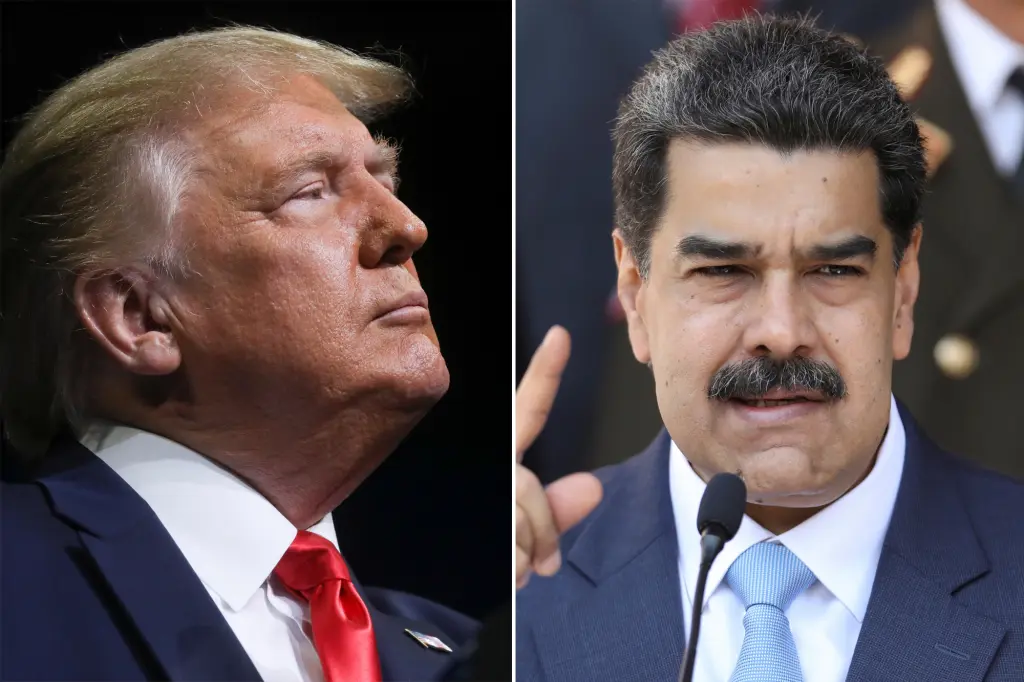
The conversation between the two leaders opened a window into a political reality that has been quietly tightening around Caracas for months.
Brussels, December 2025. New details emerging from the confidential exchange between United States President Donald Trump and Venezuelan leader Nicolás Maduro have exposed a surprising and unprecedented proposition at the center of an already volatile diplomatic landscape. According to individuals familiar with the negotiation process, Maduro indicated he would be willing to leave Venezuela entirely if granted a broad amnesty that extended not only to himself but also to his inner political and military circle. The revelation suggests that the pressures surrounding the Venezuelan presidency have reached a depth that the public has only partially perceived, and that internal assessments inside the Caracas power structure may be far more pessimistic than official discourse suggests.
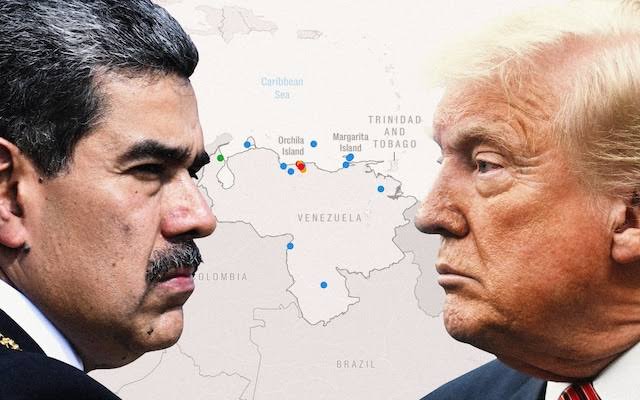
Sources across the Americas describe this communication as both strategically calculated and personally revealing. For months, political tension inside Venezuela has been exacerbated by economic deterioration, shifting alliances and the growing sense within the ruling elite that international isolation is no longer a temporary inconvenience but a structural condition. Specialists in regional diplomacy indicate that the amnesty request, framed as a potential exit pathway, aligns with patterns observed in other crisis ridden states where leaders under intense pressure test the willingness of external actors to guarantee safe departure. In this context, Maduro’s message to Washington carries the unmistakable imprint of a leader who recognizes that the equilibrium sustaining his rule has become increasingly fragile.
From a North American perspective, the response to this overture reflects a longstanding policy commitment to accountability for abuses of power and illicit financial structures. U.S. advisers who monitor Venezuelan political developments underscore that any negotiations implying immunity for senior figures would require scrutiny from legal institutions and regional partners. They point to precedents in Latin America where transitional arrangements have been criticized for enabling impunity. As a result, Washington’s reluctance to entertain the broad terms proposed by Caracas is consistent with both domestic legal constraints and the geopolitical environments in which democratic backsliding remains a significant concern for Western governments.
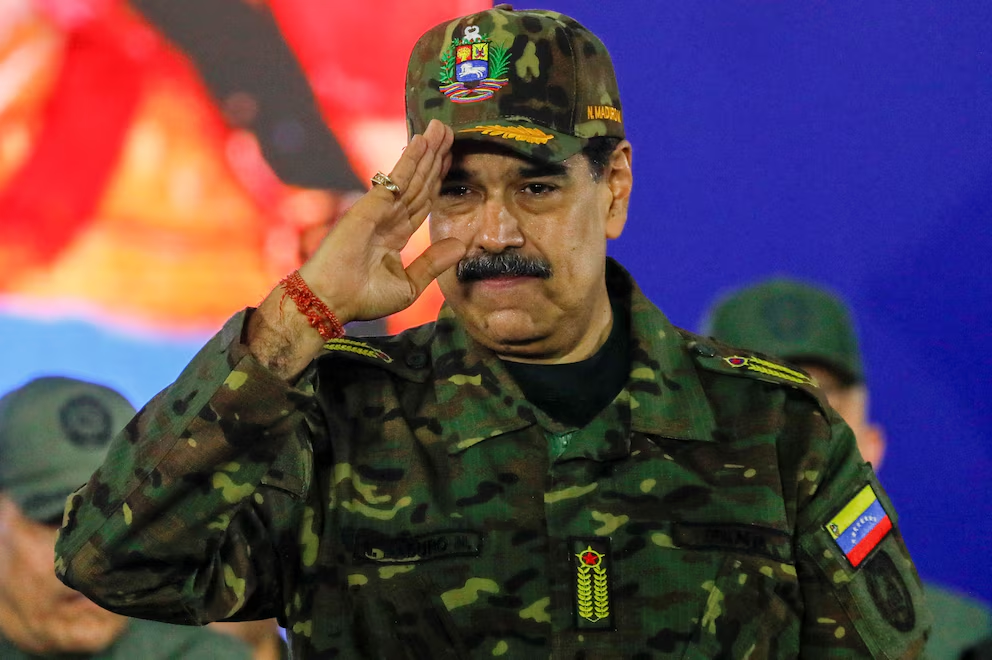
In Europe, analysts tracking authoritarian resilience and democratic transitions interpret the episode as a critical signpost for Venezuela’s political trajectory. Research centers in Paris, Berlin and Brussels note that leaders typically float exit proposals when internal divisions become more pronounced or when they see limited pathways for governance without external relief. For European observers who have monitored Venezuela’s humanitarian deterioration and migration flows, the information emerging from this dialogue suggests that political pressures inside the regime may have reached a point where continuity of rule is no longer guaranteed even by entrenched security structures. This reading aligns with independent assessments from humanitarian organizations that describe institutional fatigue and widespread citizen disillusionment.
In Latin America, the prospect of a negotiated departure for Maduro elicits complex reactions. Governments in the region maintain divergent views on how to approach Venezuela’s crisis. Some political blocs favor negotiated settlements designed to prevent violent transitions, while others argue that any process involving broad amnesties risks deepening a culture of impunity. Civil society groups and human rights advocates stress that the Venezuelan population has endured acute hardship, making accountability central to any future political arrangement. In this environment, the idea of a comprehensive amnesty touches longstanding regional debates about justice, stability and the legacies of authoritarian governance.
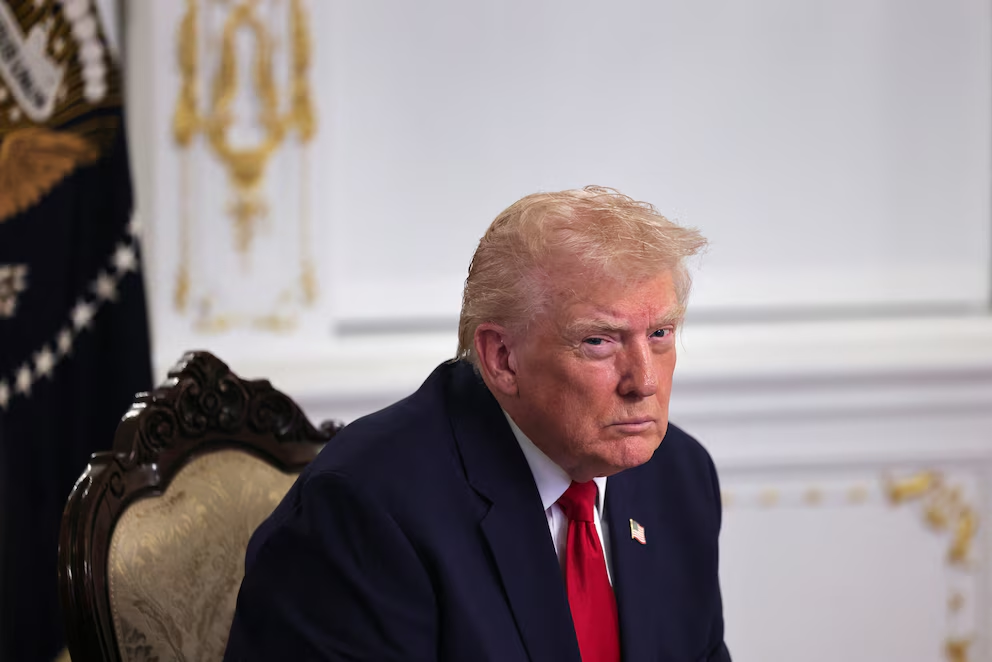
In Caracas, Maduro’s public posture remains anchored in themes of sovereignty and resistance, with officials framing the U.S. government’s position as interference in domestic affairs. However, analysts with access to South American intelligence assessments indicate that internal stressors within the Venezuelan leadership class have intensified over the past year. These include shrinking revenue channels, eroding loyalty among mid level functionaries and growing anxiety inside the security establishment over potential realignments. Maduro’s approach to Washington, while not publicly acknowledged, aligns with behavioral patterns seen in leaders attempting to gauge whether an exit strategy may offer more safety than continued confrontation.
International security institutions have also taken note of the broader geopolitical context surrounding this episode. Research groups in Asia point out that Venezuela’s strategic partnerships with certain global actors have provided diplomatic coverage, yet they do not fully offset economic pressures or the long term consequences of sanctions. By raising the prospect of departure, Maduro appears to be signaling to these partners that the sustainability of his administration cannot rely indefinitely on external support alone. Analysts argue that this shift could recalibrate how major powers engage with Caracas, particularly if they perceive that internal collapse would produce regional instability affecting energy markets, migration flows and transnational criminal networks.
Meanwhile, political strategists in the United States view the revelation as evidence that Washington’s pressure campaign is achieving measurable psychological and strategic effect. Although the administration has not publicly confirmed any aspects of the conversation, officials across multiple agencies have emphasized that the goal remains a transition that preserves regional stability while ensuring accountability for abuses. These priorities align with positions articulated by democratic actors within Venezuela who argue that any negotiated outcome must integrate institutional guarantees that protect citizens and prevent recurrence of authoritarian patterns.
The emerging picture suggests that the conversation between Trump and Maduro may represent more than a diplomatic anecdote. It may instead reflect a pivotal moment in which the Venezuelan leadership confronts the limits of its governing model under the accumulated weight of political isolation, economic contraction and internal dissension. Whether the amnesty proposal was an exploratory gesture or a serious negotiation anchor, its existence signals that pathways once unthinkable inside Caracas are now being quietly tested.
Phoenix24: clarity in the grey zone.
Phoenix24: claridad en la zona gris.