

 Phoenix 24
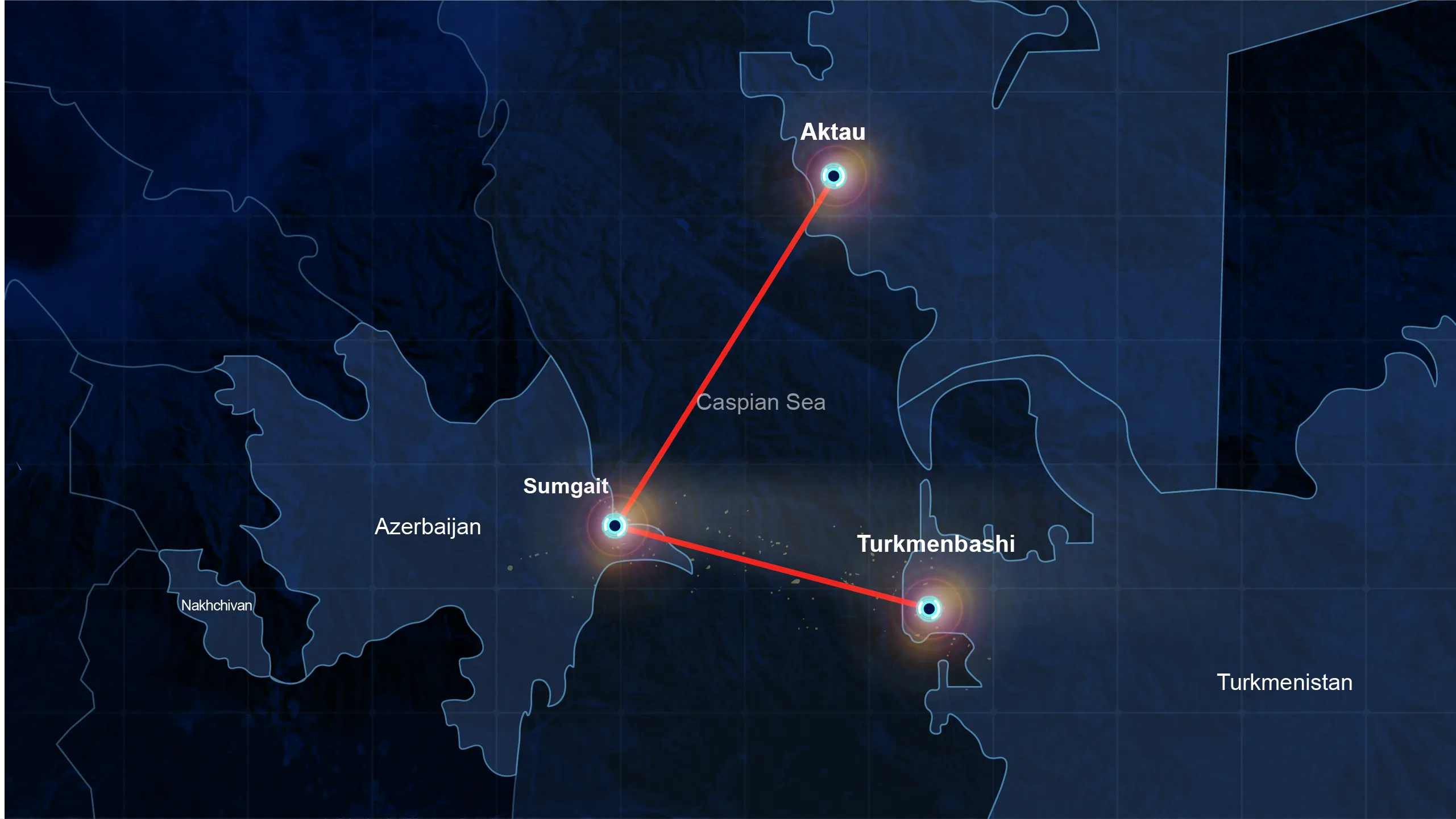
A strategic infrastructure project aims to reshape global connectivity while tightening economic and geopolitical ties between Asia and Europe.
Ashgabat / Baku / Tbilisi / Brussels, December 2025. Leaders from Central Asia, the Caucasus and the European Union have advanced plans for an ambitious fiber optic backbone that would link the region directly with European digital networks, bypassing traditional routes through Russia and the Middle East. The Trans-Caspian fiber optic corridor is envisioned as both a technical innovation and a geopolitical pivot, enhancing data flows from China, Kazakhstan and beyond toward European markets while anchoring new partnerships that reflect shifting global power balances. Officials and analysts characterize it as a bold effort to diversify digital infrastructure at a time when control of information highways carries far-reaching economic and strategic implications.

The initiative builds on years of cooperation between states bordering the Caspian Sea and European stakeholders seeking to reinforce cybersecurity and capacity for highperforming data transit. By running fiber optic cables under the Caspian Sea and through Georgia into Turkey and then onwards to continental Europe, the project is designed to avoid chokepoints and reduce latency for major data traffic between Asia and Western Europe. Proponents argue that it will provide redundancy in global connectivity — a critical consideration after a series of cyberattacks and infrastructure disruptions in recent years have exposed vulnerabilities in existing digital corridors. Such resilience, they say, is essential not only for commerce but for secure communication in sectors ranging from finance to scientific research.
Economists familiar with the plan highlight its potential to lower costs and boost competition among telecommunications providers. With the new corridor, data carriers in Central and South Asia could access European servers with greater speed and flexibility, expanding bandwidth capacity for businesses and consumers alike. Markets in the Caucasus are expected to benefit, with enhanced digital links fostering investment in tech hubs and start-ups. Analysts in Western Europe see the route as a complement to existing subsea cables that currently connect Asia and Europe through the Mediterranean, offering alternative paths that mitigate risk and unlock new commercial opportunities.
The European Union has signaled support for infrastructure projects that advance market integration and digital sovereignty. Officials in Brussels describe the Trans-Caspian link as part of a broader effort to build a resilient, interoperable network architecture that can withstand geopolitical stress. Their statements emphasize that Europe’s digital strategy must encompass both physical infrastructure and regulatory alignment to safeguard data flows, protect user privacy and uphold open standards. This aligns with ongoing discussions about diversifying critical supply chains and reducing overreliance on single transit points that are susceptible to political volatility.
In Central Asia, governments view the fiber optic project as an opportunity to deepen economic ties with Europe and attract high-value investment in digital economies. Kazakhstan and Uzbekistan, whose burgeoning tech sectors have lured global interest, see connectivity as indispensable to capturing a share of cross-border data traffic and building local capacity for cloud services and e-commerce platforms. Business leaders in these capitals argue that directly linking to European networks will not only improve speed and service quality but elevate their countries’ standing in the global digital marketplace.
The project’s implications extend to the South Caucasus as well, where countries like Azerbaijan and Georgia are positioning themselves as regional transit hubs. Enhanced infrastructure could catalyze growth in sectors such as logistics, fintech, and digital media, while also providing a foundation for international data centers that require reliable and low-latency connections. Observers in Tbilisi note that the fiber link could complement energy and transport corridors already established in the region, creating a multifaceted corridor that integrates economic activity with digital connectivity.
North American analysts focused on infrastructure and cybersecurity have observed that the Trans-Caspian initiative fits into a pattern of nations seeking to assert greater control over critical data pathways. With rising global tensions over technology standards and data sovereignty, diversifying physical networks is increasingly seen as essential to national and regional strategy. They argue that additional secure corridors reduce dependence on any single geographic route and strengthen resilience against both technical failures and political leverage.
Despite its promise, the project faces technical, financial and regulatory hurdles. Engineering undersea segments in the Caspian requires advanced expertise and coordination among multiple jurisdictions, each with its own legal frameworks for telecommunications and investment. Financing remains a topic of negotiation, with stakeholders exploring models that include public-private partnerships and multilateral development funding. Regulatory alignment across participant countries will be crucial to ensuring seamless operations and compliance with international standards.
Civil society advocates emphasize that while infrastructure is vital, attention must also be paid to governance, internet freedom and equitable access. They caution that connectivity alone does not guarantee open digital spaces or protect against censorship, urging transparency and safeguards in the deployment and management of the network. Their voices reflect broader debates about how infrastructure intersects with civil liberties in an era where data flows carry both economic value and social power.
As governments and private partners move from planning toward implementation, the Trans-Caspian fiber optic link emerges as a potential milestone in Eurasian connectivity. If realized, it could redefine how data traverses continents, linking markets and people in ways that shape economic growth and geopolitical alignments for decades.
Phoenix24: clarity in the grey zone.
Phoenix24: la claridad en la zona gris.