

 Phoenix 24
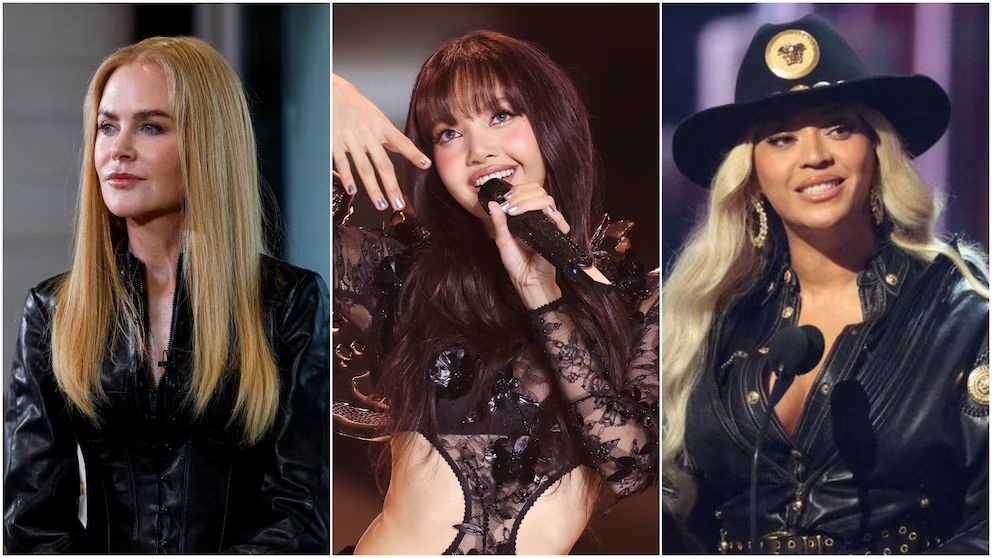
A trio of global icons prepares to redefine the expectations of fashion’s most influential night.
New York, December 2025.
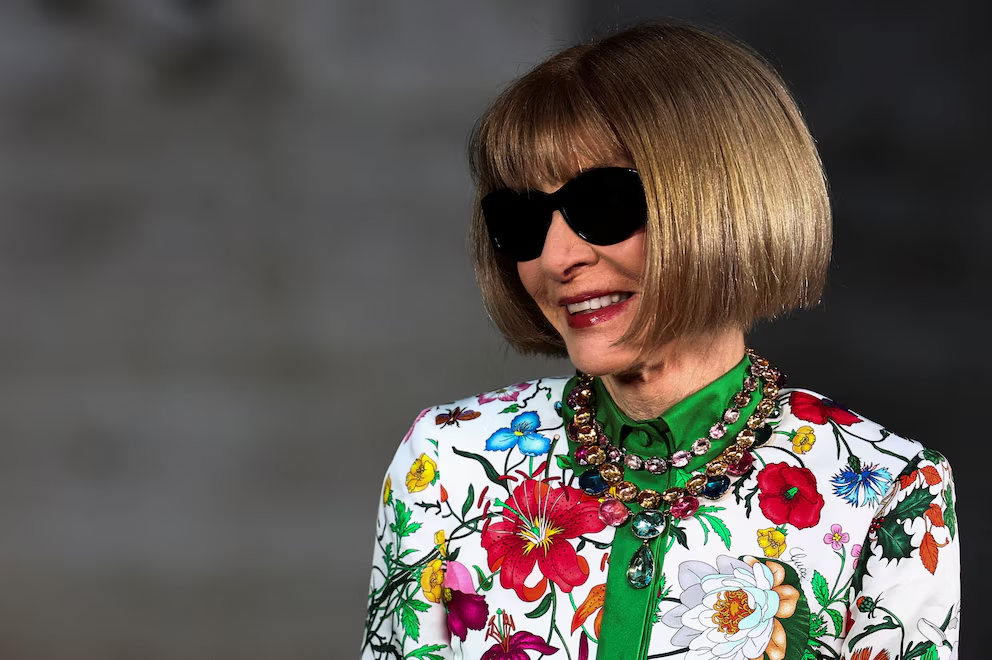
The announcement of the co hosts for the 2026 Met Gala has generated immediate worldwide attention. Nicole Kidman, Beyoncé and Lisa will stand alongside Anna Wintour to guide an event already forecast to become one of the defining cultural gatherings of the coming year. The selection of these three figures signals a deliberate convergence of cinema, music and contemporary global fandom at a moment when the boundaries of fashion are being rewritten. Each brings her own artistic language, public legacy and international resonance and together they shape a narrative intended to expand the Gala’s reach beyond traditional audiences.
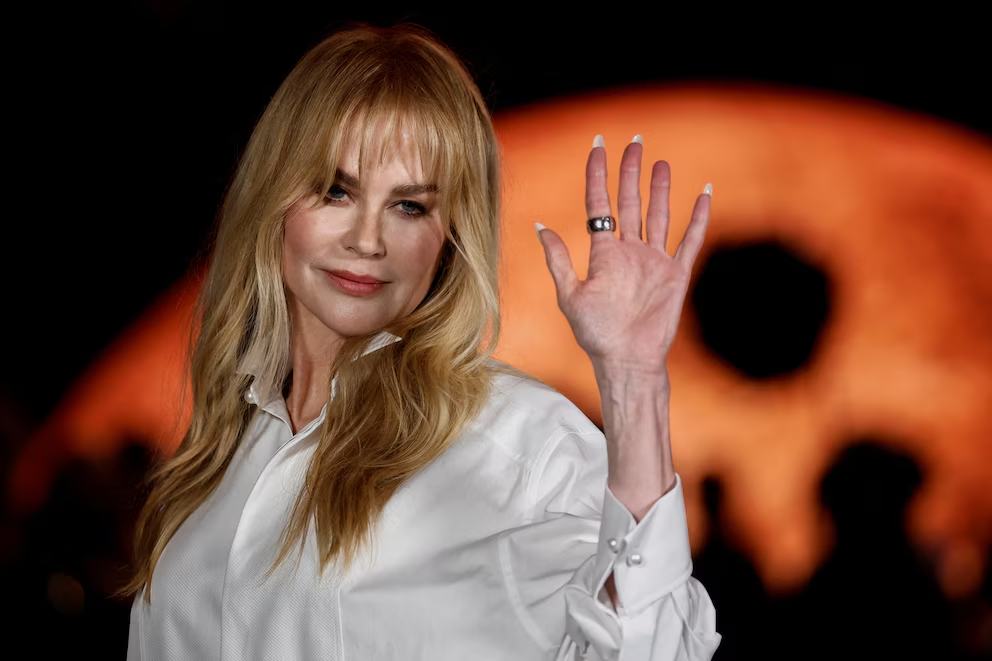
The gala will support the 2026 exhibition of the Costume Institute, centred on an exploration of the body as a living canvas for artistic expression. Curators describe the theme as an examination of how clothing transforms identity and how design becomes a dialogue between materiality and human presence. Specialists in fashion history across Europe and Asia believe this framework gives designers and attendees broad interpretive freedom. The presence of Kidman, Beyoncé and Lisa as co hosts therefore becomes symbolic. Their careers have consistently pushed the boundaries of self presentation, visual storytelling and performance. With each woman representing a distinct cultural sphere, their combined leadership reflects the global nature of contemporary fashion discourse.
Nicole Kidman enters this role with decades of experience navigating high stakes aesthetic environments. Her work in cinema has often positioned her as a bridge between elegance and experimentation. Analysts in the entertainment industry note that she brings a sense of theatrical depth to red carpet appearances, often selecting garments that balance classical structure with conceptual flair. For designers, her involvement signals an opportunity to present fashion as cinematic narrative rather than mere costume. Her history with the Gala suggests she will embody the theme through subtle references to character, memory and artistic evolution.
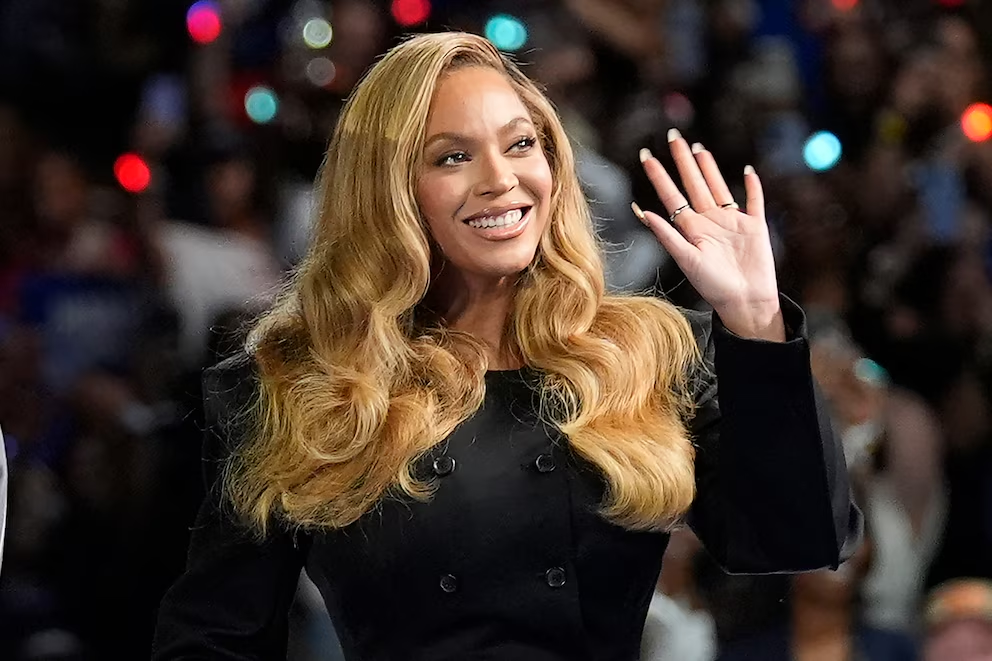
Beyoncé’s participation carries a different symbolic weight. More than a performer, she stands as a cultural architect whose visual language has shaped global music for nearly three decades. Her influence on fashion ranges from couture to streetwear and her use of imagery in performances and visual albums resonates strongly with contemporary artistic movements. Scholars in cultural studies from the Americas and Africa note that her presence underscores fashion’s role in shaping conversations about heritage, power and representation. As a co host she is expected to bring forward a vision that celebrates artistic sovereignty and challenges conventional boundaries around beauty and self expression.
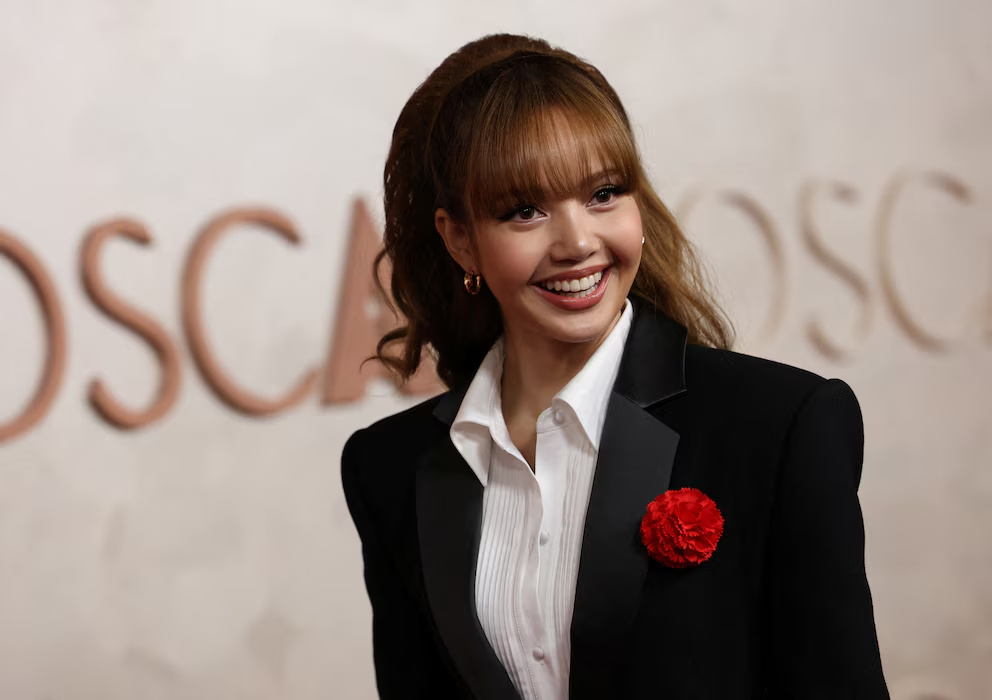
Lisa represents a generational dimension of global culture. As one of the most recognisable figures in contemporary pop, her appeal transcends language and regional identity. Her aesthetic combines precision, youthfulness and bold experimentation, reflecting a new wave of fashion consciousness shaped by digital communities. Analysts in Southeast Asia describe her influence as emblematic of twenty first century cultural exchange. By placing Lisa at the forefront of the Gala, organisers appear to acknowledge the role of global fan networks in shaping cultural consumption and extending the reach of high fashion into new terrains.
While the co chairs attract the spotlight, the event itself operates as a complex cultural machine. Preparations involve months of coordination between the museum, designers, international guests and creative teams responsible for translating the exhibition theme into a visual ecosystem recognisable to millions. Fashion critics expect a surge in sculptural silhouettes, experimental textiles and designs that reinterpret the human body as both vessel and muse. The ambition is to present fashion not merely as luxury but as an artistic language capable of carrying historical, emotional and societal meaning.
From an industry standpoint the selection of Kidman, Beyoncé and Lisa reflects an ongoing shift toward multi platform cultural leadership. The Gala has long been an arena where fashion intersects with celebrity, but in recent years it has evolved into a global broadcast of identity, creativity and influence. Marketing strategists in Europe and Oceania argue that the 2026 edition may become a benchmark for how fashion institutions adapt to new consumer sensibilities that value inclusivity, artistic range and cross cultural dialogue. As the industry faces challenges from digital fragmentation, luxury market volatility and shifting audience expectations, the Met Gala serves as a stabilising reference point where tradition meets reinvention.
For audiences around the world the appeal of the Gala lies in its ability to turn a single evening into a cultural event with months of anticipation. The combination of Kidman’s sophistication, Beyoncé’s visionary presence and Lisa’s global resonance has already sparked discussions about potential interpretations of the theme. Fans speculate on designers, silhouettes and statements that may emerge on the red carpet. Stylists and fashion houses prepare for a moment in which their creative choices will enter the global visual archive and perhaps shape cultural memory for years to come.
As the world turns its attention toward May 2026, the Met Gala stands poised to reaffirm its role not merely as a celebration of fashion but as a stage where artistic, social and cultural energies converge. The selection of these co hosts suggests an event that aims for more than spectacle. It aims for resonance, legacy and dialogue. Fashion becomes the medium, but identity becomes the message.
Analysis that transcends power.
Análisis que trasciende al poder.