

 Phoenix 24
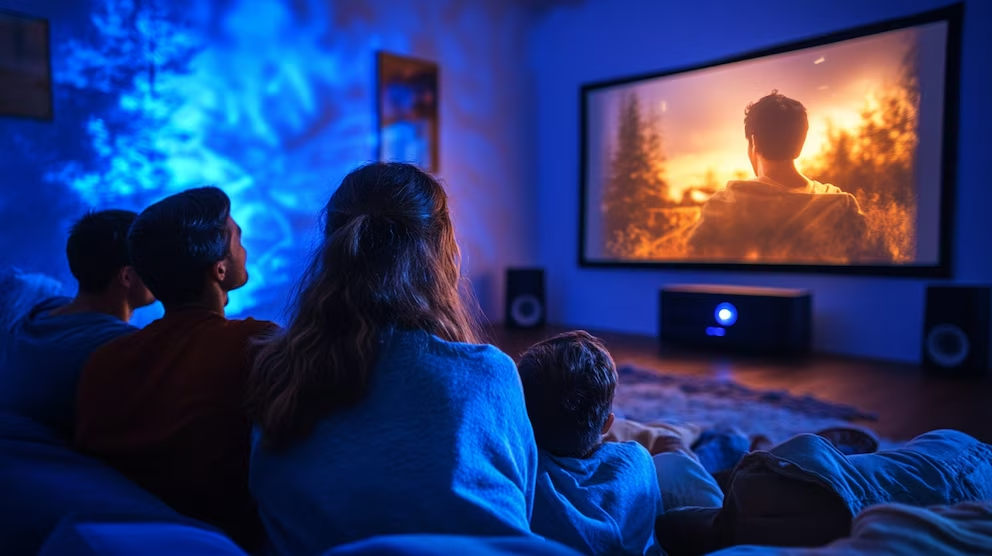
A silent but steady flow of electricity runs through most smart televisions, even when the screen is dark, pushing households to rethink how they manage power without sacrificing convenience.
Madrid, December 2025.
Energy analysts across Europe and North America have repeatedly noted that modern smart TVs consume far more power than older models, not only during active viewing but also in their standby cycles. The combination of constant network connectivity, background updates and sensor-driven features means the device rarely rests in true inactivity. This shift in design philosophy has raised concerns for families trying to curb monthly electricity costs and for policymakers studying the environmental impact of digital appliances. Recent assessments from consumer organisations review ways to reduce consumption without resorting to unplugging the device each night, offering practical steps that many households can adopt immediately.
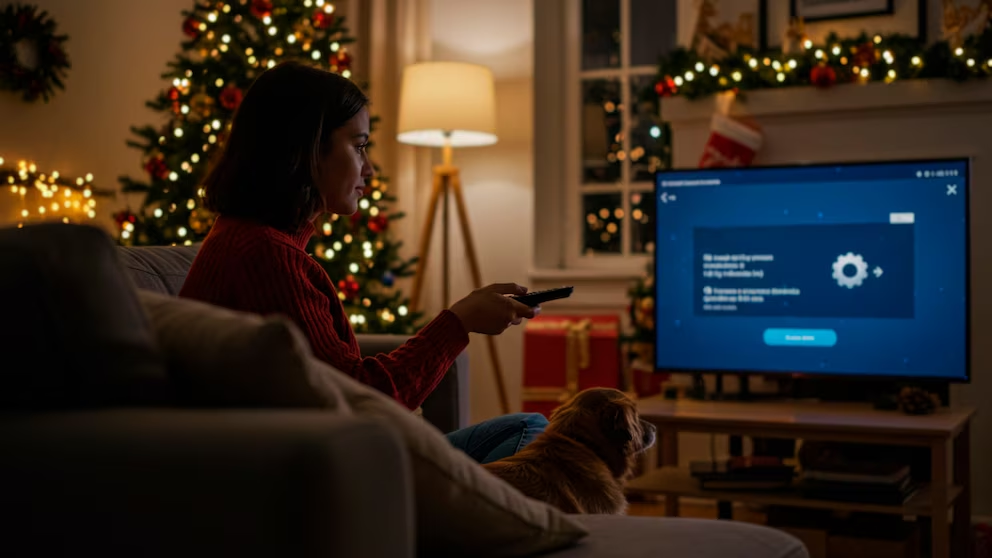
One of the simplest measures involves adjusting the picture configuration. The default settings chosen by manufacturers prioritise visual impact rather than efficiency. By lowering brightness and reducing contrast levels, users can immediately reduce energy draw while maintaining image quality appropriate for everyday use. Specialists from energy research institutes in Germany and Australia have observed that the backlight remains the single largest contributor to power consumption. When picture modes are switched from vivid presets to more neutral profiles, the impact on wattage becomes noticeable. For viewers in rooms with moderate lighting, these adjustments rarely affect comfort yet contribute to long term savings.
A second method focuses on features that allow the screen to turn off while leaving audio active. Many televisions now include options that deactivate the panel while continuing to play music or podcasts. Researchers in Japan and the United States note that this approach drastically reduces consumption because the display accounts for a large portion of the device’s energy profile. For households that use the television as a sound source while performing other tasks, this option provides efficiency without changing established habits.
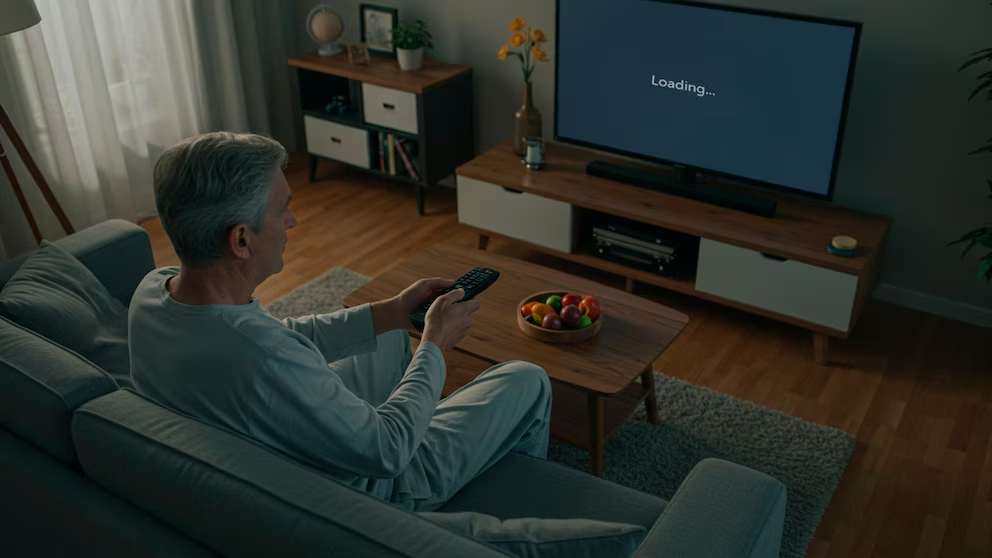
Timers and automatic shutdown settings offer another protective mechanism. Sleep timers can prevent the device from running throughout the night if someone falls asleep while watching. Automatic inactivity detection addresses similar situations by powering down the television after a set period without user input. Observers from consumer behaviour studies in Brazil emphasise that these features are underused despite their simplicity, likely because many users do not explore the advanced settings of their devices. Nevertheless implementing them can lead to reductions in energy use across weeks and months.
The most overlooked category is standby consumption. Even when turned off, a smart TV maintains internal processes that keep it ready for quick activation. The device checks for updates, communicates with servers and retains connection with other appliances in the household ecosystem. This background behaviour generates what energy specialists describe as a phantom load. Studies across Europe estimate that standby consumption represents a significant portion of annual energy use for entertainment systems. Users who wish to minimise this effect can employ smart plugs or power strips with manual switches to fully cut power during extended periods of inactivity. Although this cannot be applied constantly without disrupting network-based features, it remains particularly effective overnight or during vacations.
Regional studies also highlight how software updates affect energy patterns. Manufacturers periodically introduce power optimisation features through firmware revisions. Analysts in Asia and North America recommend that users keep their devices updated because these refinements sometimes adjust how the television manages background activity. Conversely they warn that newly introduced features may increase consumption if not configured properly. Maintaining awareness of these changes becomes essential for households seeking balance between modern functionality and responsible energy use.
The integration of artificial intelligence into operating systems introduces additional complexity. Some models include ambient sensors that modify brightness automatically. Others use pattern recognition to anticipate user habits or recommend content. While these enhancements improve user experience, they also require computational activity that affects energy consumption. Researchers who study digital ergonomics argue that transparency is necessary so users can choose which features remain enabled. Disabling non essential smart functions often reduces power draw while preserving core capabilities such as streaming or gaming.
Electricity cost variability across regions further influences how households approach energy management. In parts of Europe where prices remain volatile, consumers adopt stricter measures, including nightly shutdowns of non essential appliances. In areas of North America and the Middle East where costs remain stable, the motivation may stem more from environmental concerns than financial pressure. Regardless of regional differences, experts agree that households benefit from a clearer understanding of consumption patterns. Many recommend using energy monitoring devices to identify which appliances produce the heaviest loads and how interventions alter those patterns over time.
Ultimately reducing smart TV energy consumption does not require drastic changes. The goal is not to deprive households of convenience but to empower them with choices that combine comfort, efficiency and awareness. Adjusting picture settings, enabling screen-off audio modes, activating timers and managing standby consumption are small steps that accumulate into meaningful results. As device ecosystems grow more complex, understanding these dynamics becomes crucial for sustainability at both household and global levels.
More than a recommendation, this shift resembles a cultural transition. Passive consumption once defined the relationship between viewers and screens. Today informed interaction determines how responsibly technology integrates into daily life. The challenge of the coming years will be to design appliances that respect user privacy, reduce environmental impact and maintain accessibility without imposing hidden costs.
Beyond the news, the pattern.
Más allá de la noticia, el patrón.