

 Phoenix 24
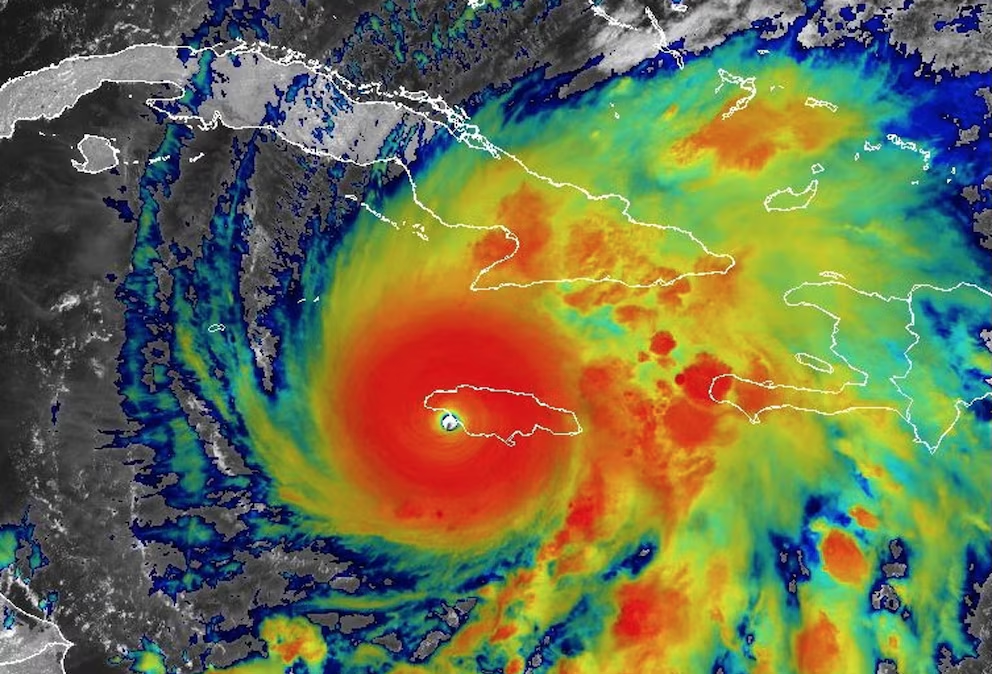
A new generation of predictive models offers earlier alerts, sharper intensity projections and a level of reliability that meteorologists had long considered out of reach.
Miami, December 2025
The 2025 hurricane season closed with an achievement that surprised even the most experienced forecasters. For the first time, artificial intelligence systems were incorporated into the core of operational forecasting in a way that materially changed the outcome of storm preparation efforts. The technology enhanced the ability to anticipate sudden changes in storm strength and improved the accuracy of projected paths, giving coastal communities more time and more certainty than in previous years.
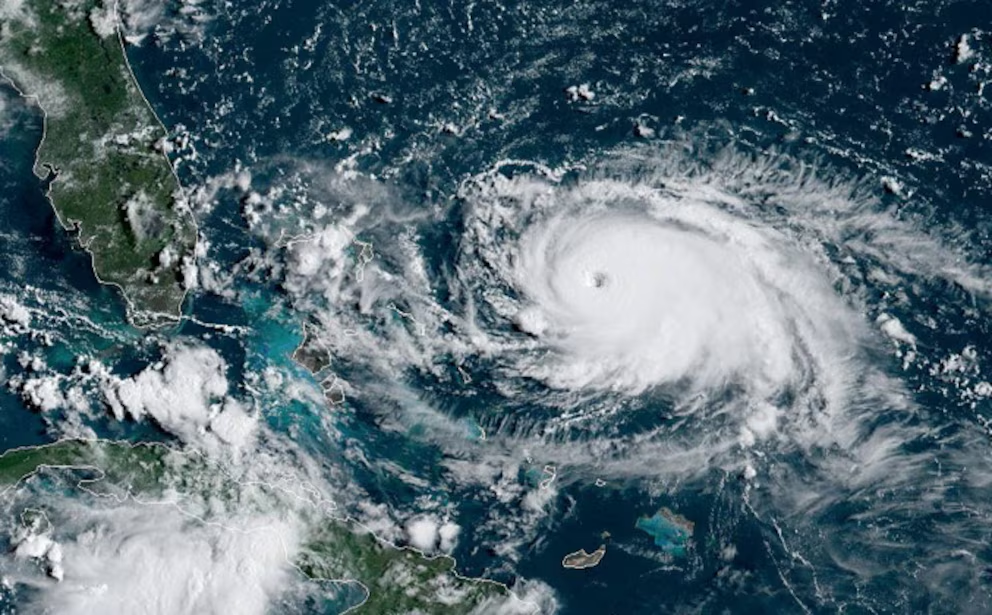
Weather agencies explained that the new models processed vast amounts of atmospheric information at a speed traditional methods could not match. By identifying subtle patterns in humidity, temperature gradients and ocean heat distribution, the systems delivered forecasts that reduced error margins and offered earlier detection of rapid intensification events. Meteorologists who spent decades studying hurricanes described the improvement as a step forward comparable to the introduction of satellite data in the twentieth century.
The season brought several test cases that highlighted the impact of the technology. In storms that showed minimal warning signs before strengthening, the artificial intelligence systems detected probability shifts long before conventional models. Emergency coordinators credited these earlier warnings with helping authorities mobilize shelters, adjust flight routes and prepare hospitals for storm related surges. The additional time played an important role in reducing casualties and protecting infrastructure.
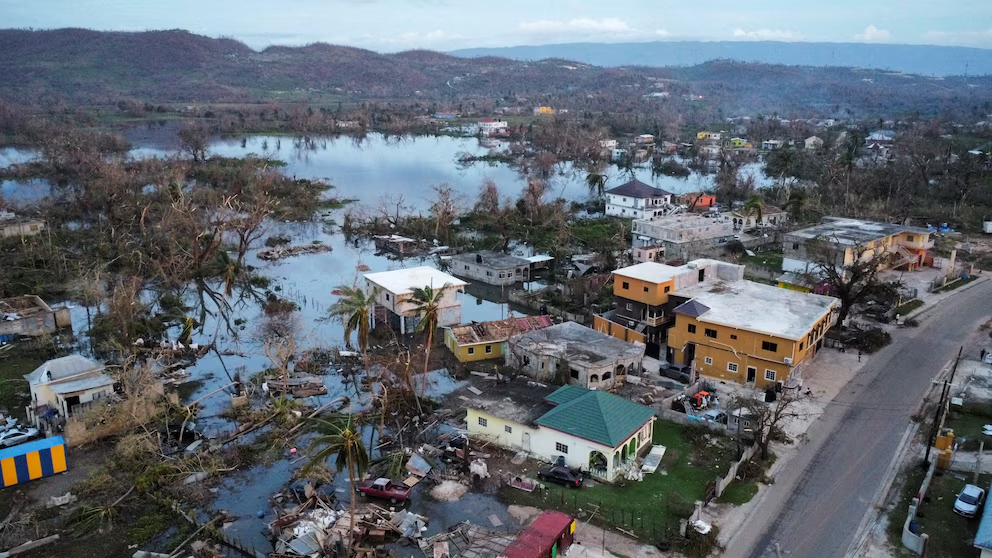
Scientists emphasized that the new approach did not replace classic physics based forecasting. Instead it complemented it. The hybrid system blended the pattern recognition capacity of machine learning with the foundational knowledge of atmospheric science. Together they created a more robust framework that reduced blind spots and improved the interpretation of complex data. This combination was particularly effective in storms that behaved unpredictably or defied historical patterns.
The technology also lowered barriers for countries with limited resources. Traditional forecasting required large supercomputers that many regions could not afford. The artificial intelligence models demonstrated that reliable predictions can be generated with far less computational power. Experts believe this advancement could transform the ability of small island nations and developing countries to prepare for extreme weather events, reducing vulnerability in some of the most affected regions of the world.
Even with these advantages, researchers urged caution. Artificial intelligence models can struggle when facing rare or unprecedented conditions. For this reason meteorologists insist on maintaining human oversight and constant evaluation. They argue that technology must be used as a tool rather than a replacement, and that transparency in the forecasting process remains essential to maintain public trust.
By the end of the season, the consensus among specialists was clear. Artificial intelligence did not merely enhance forecasting. It changed expectations about what forecasting can achieve. The success of the 2025 season suggests that future hurricane prediction will rely on a partnership between scientific tradition and technological innovation. It also signals the beginning of an era in which communities may face fewer surprises and greater preparedness as storms form and evolve across the oceans.
Phoenix24 analysis that transcends power
Phoenix24 analisis que trasciende al poder