

 Phoenix 24
Some revolutions begin not with new rules, but with the decision to reinterpret the ones already written.
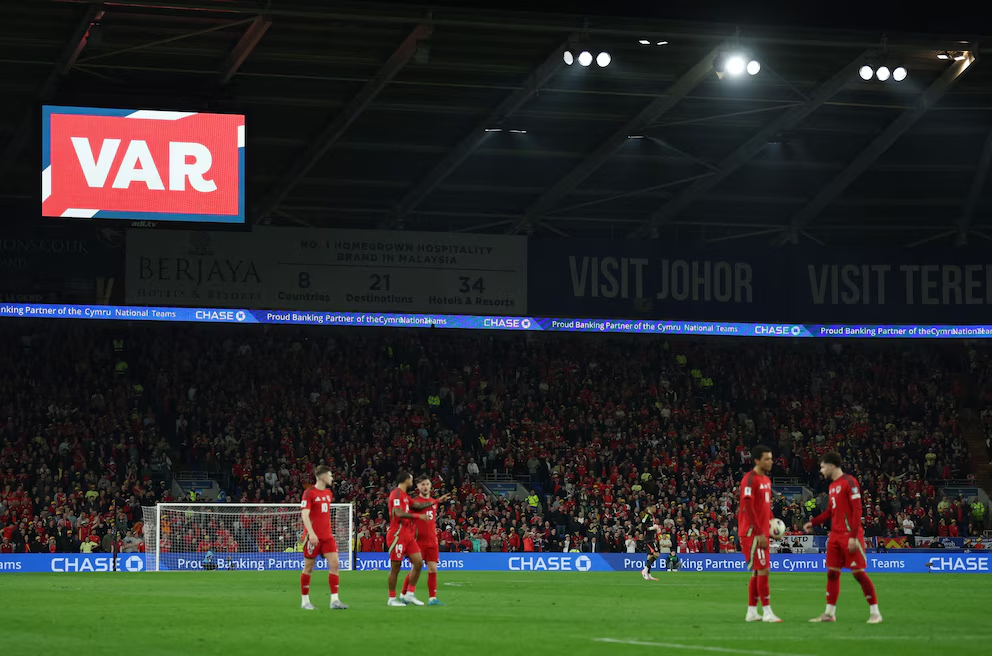
Zúrich, December 2025. Football is approaching a moment that could redefine elite officiating for an entire generation. Ahead of the 2026 World Cup, the International Football Association Board is evaluating a proposal that would grant the Video Assistant Referee unprecedented authority over two domains long considered untouchable: corner kick decisions and second yellow card incidents. The reform, still under final discussion, has already sparked intense debate across federations, training camps and analytic committees. If approved, the world’s most watched sporting event will become the first stage where this expanded version of VAR is tested in full.
At present, VAR can intervene in only four categories. These include goals, penalty situations, direct red cards and mistaken identity. Everything outside that narrow frame has remained the jurisdiction of on pitch referees. Yet over the past two years, pressure has grown from clubs, national teams and regulatory observers who argue that decisive moments often occur outside those four categories. Incorrect corner decisions have preceded goals and disallowed chances. Second yellow cards have led to expulsions that altered the trajectory of international tournaments. Analysts in Europe claim that ignoring these categories in an era of high definition review technology has become a structural inconsistency. They see the proposed change as a natural evolution of modern refereeing.
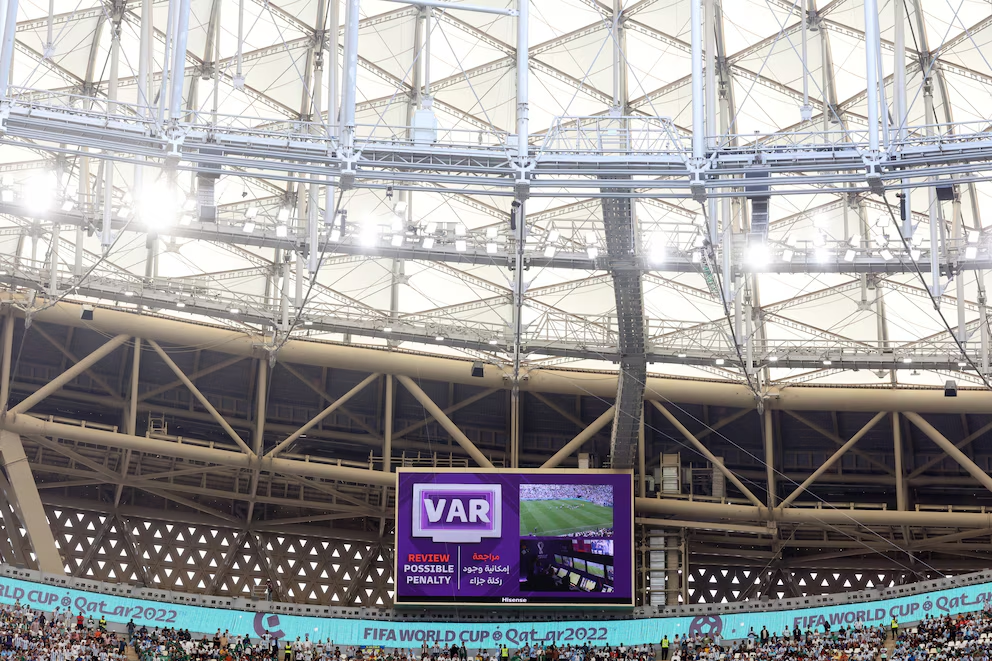
Supporters of the initiative emphasize that football already possesses the optical and analytical tools necessary to eliminate clear errors. Specialists in North America who study referee performance point out that corner kick decisions frequently involve complex deflections that the human eye struggles to identify in real time. For them, video review would bring fairness where physical limitations currently produce avoidable mistakes. Meanwhile, observers in Asia highlight that the second yellow card has long been a blind spot in VAR protocol. Because it can indirectly produce a red card, its exclusion from review has created a loophole where a match altering sanction cannot benefit from technological verification.
Still, the proposal is far from universally accepted. Critics warn that expanding VAR risks increasing interruptions and damaging the rhythm of the sport. Coaches in South America argue that the beauty of football lies partly in its continuous flow, and that excessive review could transform the game into an extended sequence of pauses. They fear that players may exploit the new system by increasing appeals or simulating minor contact in hopes of triggering a check. Referee associations across Africa caution that any expansion must be accompanied by strict time limits for review to avoid disrupting tactical momentum.
These concerns reflect deeper tensions about what football should become. For decades, the sport has balanced between tradition and modernization. The introduction of goal line technology marked one milestone. The gradual adoption of VAR marked another. Now, the possibility of reviewing corner kicks and second yellow cards signals a third stage, one where video oversight could extend into the fine stitching of match dynamics. Analysts who track governance patterns note that this debate is not merely technical; it is philosophical. It challenges the boundary between human interpretation and technological precision.
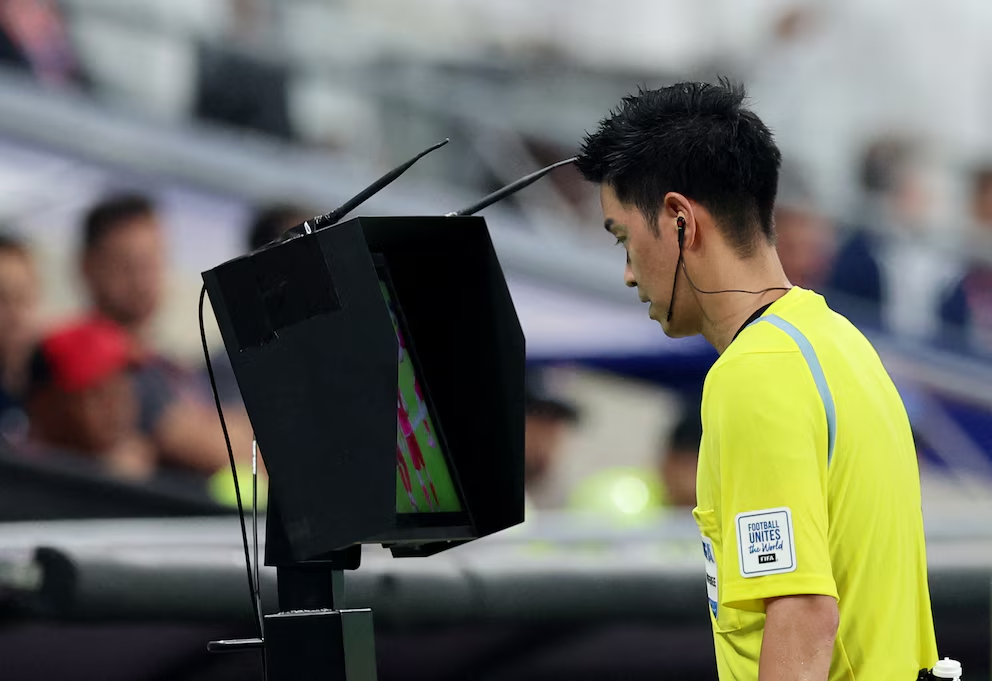
Within FIFA headquarters, the potential reform has been evaluated through simulations that combine live match data, projected review times and error reduction models. Early internal analysis suggests that corner decisions could be verified quickly using multiple synchronized angles, while second yellow card reviews may require more context but remain manageable within existing time structures. Yet even with favorable projections, officials acknowledge that the real test will come under World Cup pressure, when millions are watching and seconds feel like minutes.
National teams are already preparing for the implications. Technical staffs across Europe and the Middle East report that they are incorporating VAR protocol discussions into tactical planning. They expect players to adjust their approach to aerial duels and positional battles inside the box, knowing that actions once overlooked may be scrutinized. For defenders, this means greater caution in physical contact during corner sequences. For attackers, it creates opportunities to highlight infractions that previously slipped through unnoticed. The psychological dimension of the game could shift as athletes internalize the presence of expanded surveillance.
For referees, the reform raises both opportunities and challenges. Supervisors who train elite officials argue that broader VAR support may reduce stress and improve accuracy in complex match scenarios. However, they also warn that heavy reliance on video review could erode confidence in on field judgment if not accompanied by clear guidelines. The balance between authority and assistance forms the core of referee identity, and any reform must preserve that equilibrium to maintain credibility.
The stakes of the decision extend beyond the World Cup. Domestic leagues are closely monitoring the discussions, anticipating that whatever is tested in 2026 may influence future rule sets across continents. A successful implementation could accelerate adoption globally. A problematic rollout could ignite backlash and fuel arguments for limiting technological involvement. The World Cup, with its unmatched visibility, therefore becomes the ideal but risky environment for experimentation.
As the proposal nears its final evaluation, the sport enters a moment of reflection. Football’s laws have always evolved, slowly but decisively. Now, the question is no longer whether VAR should exist but how far its reach should extend. The answer will determine not only how matches are officiated but how players, coaches and fans perceive the essence of fairness.
For now, the world waits as Zúrich prepares to decide the future of football’s most controversial tool. Whether the expanded VAR becomes a stabilizing force or a disruptive presence will depend on decisions made in the coming months, decisions that could redefine the balance between human judgment and technological clarity in the world’s game.
Phoenix24: geopolítica, sin maquillaje. / Phoenix24: geopolitics, unmasked.