

 Phoenix 24
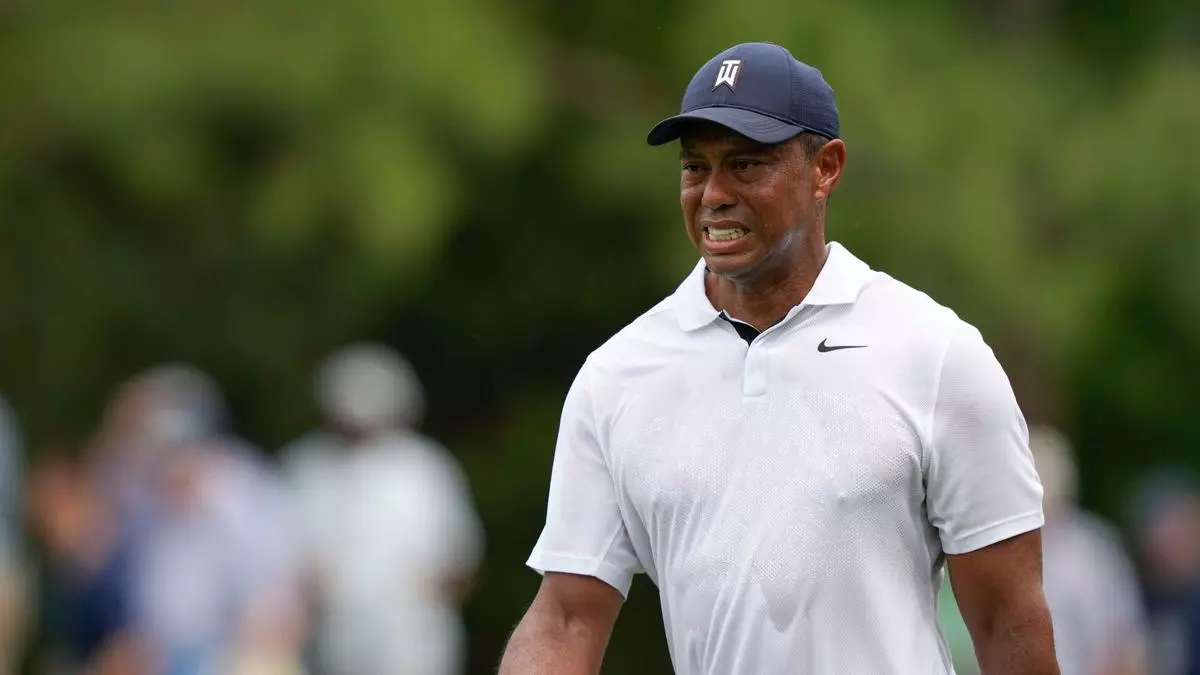
Some recoveries do not announce themselves with breakthroughs, but with the quiet return of controlled movement.
Orlando, December 2025. Tiger Woods has publicly confirmed that his latest rehabilitation cycle is advancing, offering a glimpse of possibility after months marked by uncertainty. Speaking with a calm precision that contrasts sharply with the turbulence of his medical year, the fifteen time major champion described steady but cautious improvement following significant back surgery and a long sequence of physical complications. His words were measured, yet they carried an undertone familiar to those who have followed his career: resilience remains part of his competitive DNA.
The latest update follows an operation that addressed spinal instability resulting from cumulative stress injuries. Medical professionals who observe elite athlete recovery patterns in Europe note that disc replacement procedures require long term adaptation. They highlight that progress typically comes in small increments rather than dramatic milestones. In Woods’s case, the ability to resume limited chipping and putting indicates that the early stages of muscular coordination and rotational tolerance have returned. Specialists in North America interpret such developments as positive signs, provided they are accompanied by controlled loading and strict monitoring.
Woods, now approaching fifty, has navigated a series of medical challenges that would have ended most careers a decade earlier. Analysts in Asia who study athlete longevity emphasize that his physical history reads like a catalogue of high risk injuries. Surgeries on his knee, Achilles tendon setbacks and damage accumulated from decades of powerful swings have imposed severe strain on his biomechanics. The most recent intervention was designed to preserve function rather than merely alleviate pain. As such, the recovery timeline is shaped not only by ambition but by long term considerations about mobility, stability and quality of life.
In public remarks, Woods avoided any suggestion of imminent return. He acknowledged that he remains far from walking a full competitive round and even farther from performing the explosive rotational movements required for tournament level drives. Those close to his training environment describe his sessions as short and meticulously structured. Each exercise is adjusted according to feedback from medical specialists who monitor inflammation patterns and neuromuscular response. This conservative approach appears designed to avoid the setbacks that complicated previous comebacks.
Yet the possibility of selective participation in future events has not been ruled out. Strategists in South America who analyze professional golf cycles suggest that Woods may be considering limited appearances in exhibitions, invitational events or competitions with reduced physical demands. They argue that even a partial return would have considerable impact on viewership and sponsorship dynamics. The commercial influence of Woods remains unparalleled. His presence, even outside full season play, reshapes broadcasting priorities and intensifies market attention across multiple regions.
The psychological dimension of his recovery is equally complex. Woods has long been recognized for an internal discipline that allowed him to manage pain thresholds and competitive expectations under extraordinary pressure. Sports psychologists familiar with his trajectory observe that his mindset has shifted toward sustainable goals. Rather than framing his rehabilitation as an all or nothing push toward elite competition, he appears to be embracing a more strategic, long horizon view. They point out that this philosophy mirrors trends among veteran athletes who seek balance between legacy and long term health.
Despite the uncertainty surrounding his athletic future, Woods continues to fulfill his role as a central figure in the sport. He remains active as a tournament host and mentor, offering guidance to younger professionals who view his career as a template for excellence and endurance. His presence at events throughout the year has served as a symbolic reminder that influence in golf does not depend solely on performance metrics. In many respects, his authority within the sport has only expanded as his competitive schedule has diminished.
Observers in Europe who track the evolution of professional golf note that the current season has been shaped by generational shifts, technological change and organizational realignment across tours. Within that context, Woods’s recovery carries broader significance. His potential return, however limited, would intersect with debates about athlete health management, scheduling reform and career sustainability. The sport’s governing bodies are increasingly attentive to how veterans manage recovery windows and physical reintegration. Woods’s case provides a high profile example for future policy considerations.
For now, the path ahead remains uncertain yet purposeful. Woods’s updates convey neither resignation nor overconfidence. They reflect a sober understanding of the demands that lie ahead and an appreciation for incremental progress. His supporters interpret this balance as evidence that he has not closed the door entirely on competition. His critics caution that expectations should remain tempered. The truth, as always in rehabilitation, rests somewhere between the two: improvement is real, but fragility remains.
As the year closes, Woods moves forward with patience, guided by medical expertise and shaped by experience. Whether his recovery leads to selective competition or a quieter chapter of legacy building, his influence continues to anchor global golf. The next months will reveal whether the subtle gains of today evolve into the possibility of tomorrow.
Phoenix24: beyond the news, the pattern. / Phoenix24: más allá de la noticia, el patrón.