

 Phoenix 24
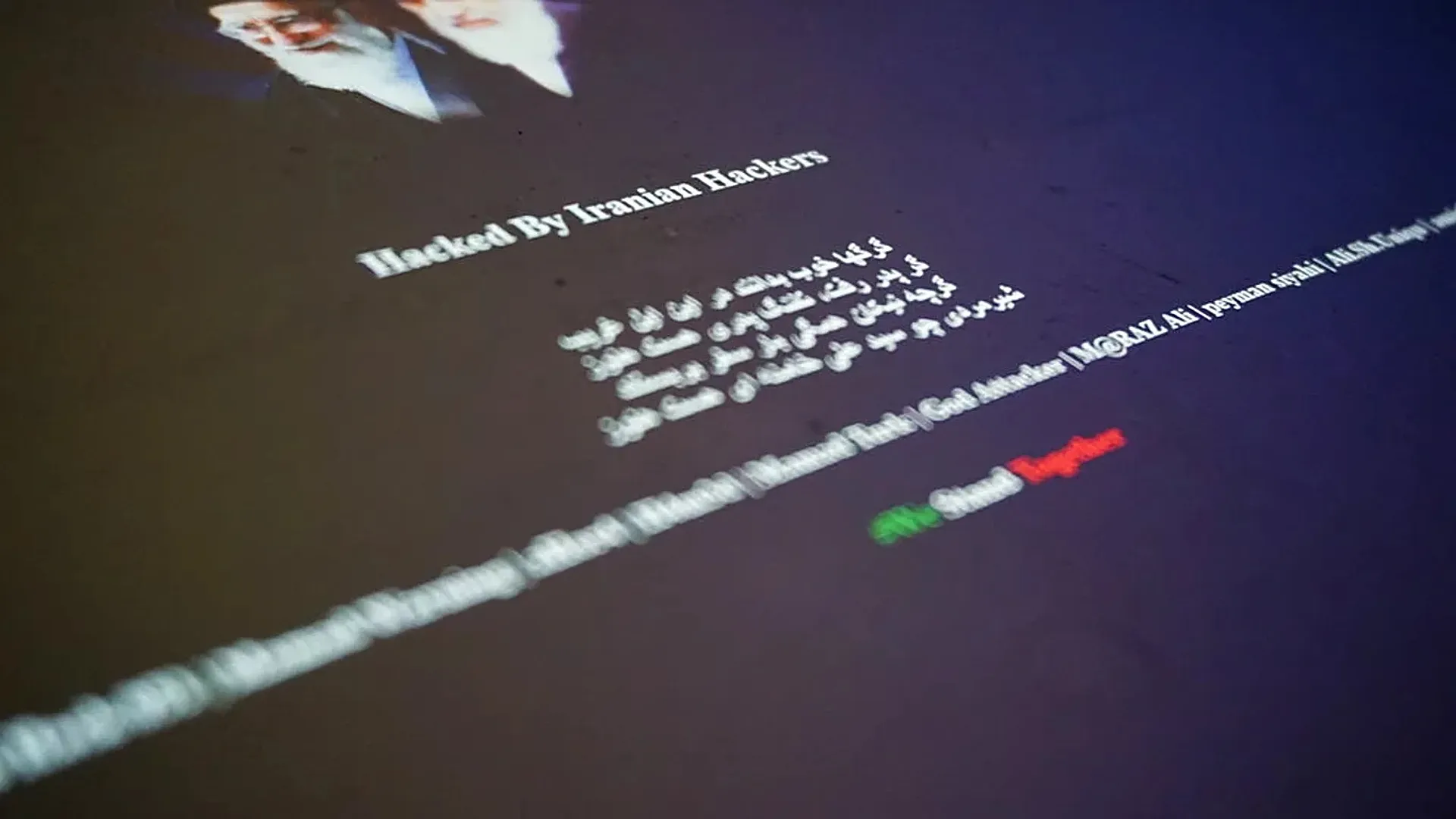
Threats usually travel through cables and screens, yet sometimes they materialize quietly beside a parked car.
Tel Aviv, December 2025. A late night video released by a self described Iranian aligned hacking collective has triggered significant alarm inside Israel’s intelligence community. According to the group’s claim, one of its operatives managed to access the personal vehicle of a senior Israeli nuclear scientist, leaving a bouquet inside as a symbolic gesture and a thinly veiled threat. The footage, recorded outside what appears to be a private residence, circulated rapidly through regional monitoring channels. Although Israeli authorities have not confirmed any details, the claim alone has unsettled analysts who track hybrid operations conducted by Iranian cyber units and affiliated organizations.
The hacking group presented the act as proof of proximity, stating that its members could enter spaces once presumed secure. They asserted that their message was directed not only at the scientist but at Israel’s broader nuclear and defense ecosystem. For specialists at independent digital security centers in Europe, the incident fits a wider pattern observed over the past year in which state linked actors move from traditional cyber intrusion to psychological intimidation. The shift underscores a growing appetite to blend technical access with symbolic gestures designed to generate doubt in personal safety, even when no physical harm is inflicted.
Intelligence researchers in the United States, familiar with Iranian cyber capabilities, noted that the strategic interest lies less in compromising a vehicle’s digital system and more in penetrating the mental space of high value targets. By publishing alleged names and contact details of individuals tied to Israeli intelligence units, the group attempted to widen the psychological perimeter of the attack. At the same time, they signaled an ability to collect or fabricate sensitive information, complicating Israel’s response because verifying authenticity becomes almost as demanding as countering the intrusion itself.
Security analysts in the Middle East pointed out that these tactics align with a broader Iranian posture that integrates cyber operations into its regional deterrence strategy. Instead of directly attacking critical infrastructure, groups associated with Tehran increasingly focus on individuals whose expertise is fundamental to national defense. This approach aims to create a cascade of anxiety among scientists, engineers and security personnel. Even if the intrusion was limited or staged, the perception of vulnerability can erode confidence in the internal security environment.
Israeli officials offered no immediate public comment, a silence that many observers interpreted as a deliberate attempt to avoid amplifying the psychological impact. Former intelligence officers, speaking anonymously to regional think tanks, suggested that any real breach of a private vehicle belonging to a sensitive figure would trigger multi agency protocols involving cyber forensics, physical security reviews and counterintelligence assessments. Yet whether or not the claim reflects an accurate intrusion, the publicity has already forced a reevaluation of existing protection measures around individuals connected to advanced scientific programs.
Analysts at the Stockholm International Peace Research Institute noted that the boundaries between espionage, sabotage and psychological coercion have become increasingly porous. Cyber intrusions that target cars, phones or private residences exist in a legal grey zone because they do not cause physical damage but may constitute acts of intimidation under international norms. They added that this ambiguity is often exploited by state actors seeking plausible deniability. A hostile government can dismiss the incident as the work of a non state group while quietly benefiting from the strategic pressure it generates.
In Asia, cybersecurity experts highlighted that such incidents tend to occur amid heightened regional tensions. They noted that Iranian aligned groups have intensified activity during periods of diplomatic strain or military escalation, often choosing moments when adversaries are preoccupied with other threats. That timing, they suggested, maximizes psychological effect. The current claim emerged during a broader cycle of confrontations involving intelligence disclosures, proxy militia activity and retaliatory cyber operations, all of which shape the environment in which both Tehran and Jerusalem operate.
European observers, especially those in Brussels monitoring hybrid conflict trends, argued that the incident is part of a global evolution in warfare where symbolic visibility matters as much as technical disruption. A bouquet placed inside a vehicle may appear trivial on its surface, yet within the logic of hybrid confrontation it becomes a narrative weapon. It implies proximity, surveillance and intent. Even if staged, the uncertainty it creates forces defensive institutions to respond, allocate resources and adjust protective measures. The real target, therefore, is institutional bandwidth as much as the individual scientist.
The psychological impact extends beyond national security circles. Civil society organizations that monitor freedom of research warn that such intimidation tactics can have long term consequences for scientific environments. When researchers perceive personal risk associated with national defense programs, recruitment becomes more difficult and the talent pipeline narrows. Several Israeli academics interviewed by regional outlets noted that younger scientists already express concern about the visibility of their work and the possibility of becoming targets for foreign actors.
While the actual details of the alleged breach may eventually be clarified, the broader strategic signal has already been delivered. Hybrid operations thrive on ambiguity, and the absence of official confirmation does not diminish their effectiveness. The claim serves to remind adversaries that conflict no longer remains confined to data centers or military installations. It travels through personal spaces, private routines and the symbols left behind in ordinary objects. In a confrontation where psychological leverage carries real value, even a silent object placed on a car seat can become a message with global resonance.
Truth is structure, not noise. / La verdad es estructura, no ruido.