

 Phoenix 24
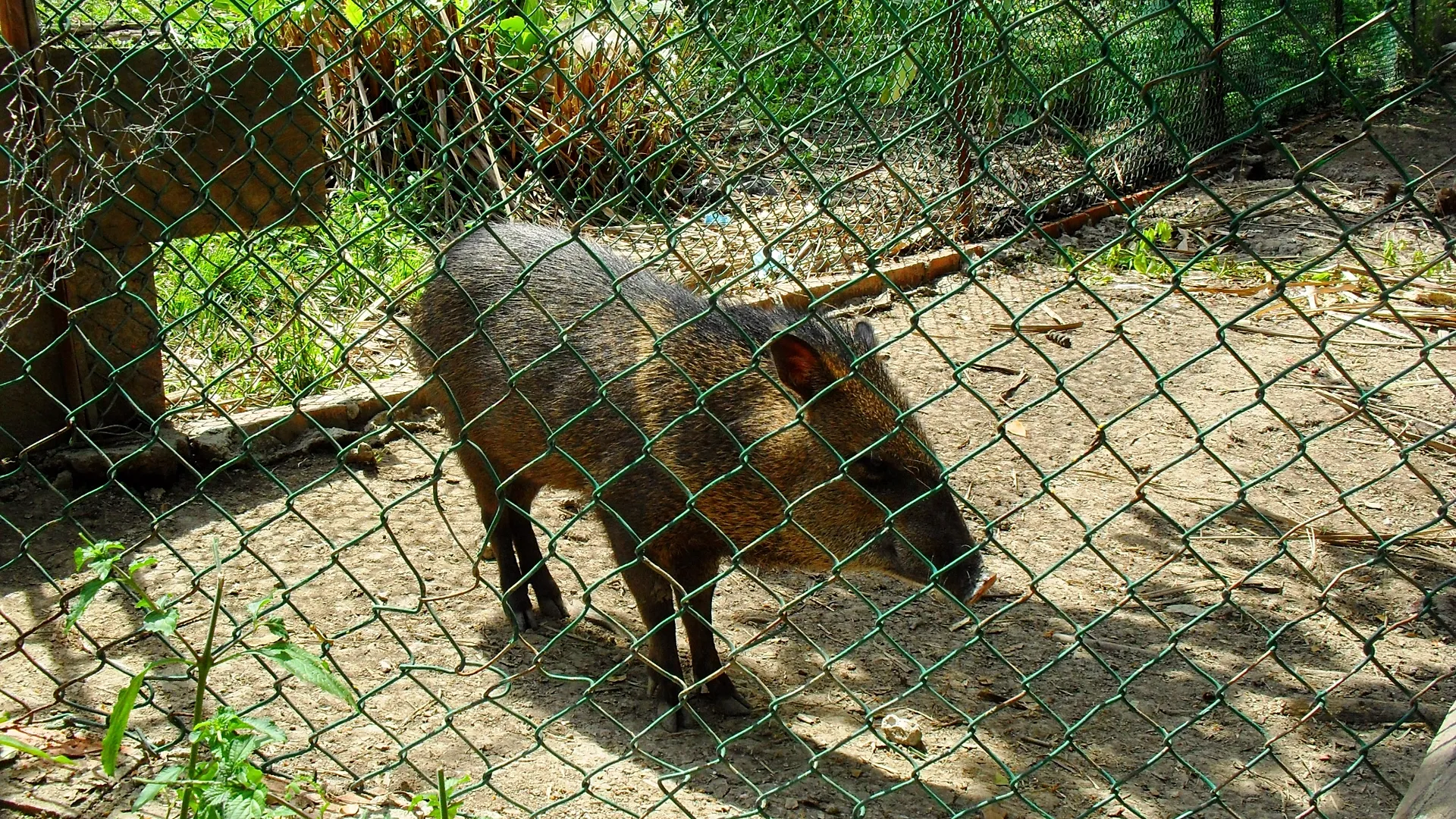
Sometimes a national crisis begins with the quiet body of an animal lying in the forest.
Barcelona, December 2025. When two wild boars were found lifeless on the wooded paths near Bellaterra, few imagined that Spain would soon confront one of its most sensitive agricultural emergencies in decades. Yet laboratory analysis confirmed that the carcasses carried African swine fever, a highly contagious viral disease that does not infect humans but devastates pigs and wild boars with ruthless efficiency. The discovery ended a sanitary stability that had lasted since the mid-1990s and forced the immediate activation of national and European containment protocols. What followed, within a matter of hours, was a multi-layered response aimed at preventing the virus from reaching commercial farms and triggering a shockwave across global food markets.
Veterinary laboratories operating under national biosecurity standards identified seven additional infected carcasses across the Collserola mountain range, bringing the total to nine. Analysts familiar with European disease surveillance frameworks explained that the location of the outbreak was particularly troubling. Collserola is not an isolated forest; it is an ecological corridor bordering Barcelona, full of hikers, cyclists, maintenance crews and transportation personnel moving through its trails every day. These intertwined movements provide numerous opportunities for viral transmission through contaminated soil, footwear or waste. The environment itself amplifies risk because African swine fever can survive for long periods on surfaces and in organic matter, even under varied temperature conditions.
Authorities responded immediately. A six-kilometer exclusion zone was declared around the outbreak’s epicenter, while a broader twenty-kilometer surveillance zone was established to monitor wildlife movement and collect additional samples. Trail access was restricted. Forest-cleaning brigades were deployed along with rural patrols and specialized emergency units. Sanitation teams disinfected key areas, and environmental officers coordinated the safe removal of carcasses to prevent scavenging and further dispersion. Although the virus poses no danger to human health, the Spanish government suspended pork exports outside the European Union to comply with international sanitary regulations. According to analysts at the Peterson Institute, this suspension, even if temporary, can significantly affect Spain’s position as one of the world’s largest pork exporters, with ripple effects on labor markets and regional economies.
Veterinary researchers repeatedly emphasized a crucial fact: African swine fever cannot infect humans through direct contact, air or food. Its threat lies in the catastrophic losses it inflicts on animal populations and the financial burden it imposes on producers. The European Food Safety Authority has long warned that the density of wild boar populations in peri-urban environments represents a structural vulnerability. In Collserola, the proximity of wildlife to residential zones increases the likelihood of accidental viral introduction, especially when outdoor visitors leave behind food residues. Scientists note that only a small piece of contaminated cured meat can introduce the pathogen into a new ecosystem.
Investigators are examining whether improperly discarded pork products, possibly from a transporter or visitor passing through the forest perimeter, may have triggered the outbreak. They describe this route as highly plausible. Incidents of similar nature have occurred in Central Europe and the Balkans, where discarded sandwiches or cured meats infected with the virus ignited widespread contagion among wild boars. The Ministry of Agriculture urged the public to avoid contact with any dead animals, report sightings immediately and refrain from leaving any food waste in natural areas.
Despite the absence of confirmed cases in pig farms, the agricultural sector remains on high alert. Producers recall devastating outbreaks in Eastern Europe, where the virus silently leaped from wild boars into industrial farms, prompting mass culling and long periods of economic recovery. Representatives of Spain’s pork industry stressed that strict biosecurity measures remain essential but acknowledged that the presence of infected wildlife nearby increases the overall probability of viral intrusion. Meanwhile, logistics associations confirmed that transport companies have reinforced sanitation routines for vehicles operating near the affected region.
International observers reacted swiftly. Experts at the Food and Agriculture Organization noted that outbreaks in high-income countries demonstrate the universal fragility of global sanitary systems. They pointed out that Spain’s situation shows how human mobility, waste management and wildlife behavior intersect to create transmission pathways that are difficult to predict. Analysts in Asia, drawing on the region’s past experience with African swine fever, indicated that new European outbreaks can influence global feed markets and reshape pricing expectations. Their assessments highlight that Spain’s containment strategy will be closely monitored because of its relevance to worldwide supply chains.
In Brussels, officials focused on communication as much as on containment. They reassured consumers that pork available in domestic markets remains safe. At the same time, they acknowledged the gravity of the outbreak and pledged to maintain full transparency. Public health specialists in Geneva emphasized that managing a wildlife-linked crisis demands precision in messaging to prevent misinformation and unnecessary alarm. Environmental authorities coordinated with municipal teams to accelerate carcass removal, while national security forces increased patrols across restricted areas to prevent unauthorized entry.
Beneath the operational urgency lies a deeper structural lesson. Barcelona’s expanding metropolitan area has created increasingly porous boundaries between human activity and surrounding natural ecosystems. Ecologists argue that this interface facilitates the circulation of pathogens that, though harmless to humans, carry the potential to disrupt entire industries. The Collserola outbreak is a vivid example: a single fragment of contaminated food can travel from a lunchbox to a forest floor and from there into the bloodstream of a wild boar, setting off a chain reaction with consequences that extend far beyond regional borders.
As investigations continue, authorities maintain cautious optimism. Spain’s veterinary and environmental agencies operate within robust European support mechanisms, which increases the probability of containing the outbreak. Even so, the reappearance of a virus eradicated more than thirty years ago stands as a clear warning. In a globalized world shaped by rapid movement, uneven waste management and expanding urban landscapes, sanitary stability is never absolute. The quiet fall of a wild boar in the woods can become an international economic signal, and Collserola has just reminded Europe of that reality.
Phoenix24: clarity in the grey zone. / Phoenix24: claridad en la zona gris.