

 Phoenix 24
It starts with a faint change in the mirror, a sense that your expression looks heavier or more tired than usual, and gradually you realize the body may be sending signals that deserve attention.
Brussels, December 2025. The expression known online as cortisol face has spread across health discussions and social networks, turning into a catchphrase that blends physiology, aesthetics and modern anxiety. Specialists stress that the term is not a medical diagnosis. Instead, it refers to a set of visible changes that some people attribute to sustained stress or altered hormonal balance. The idea resonates widely because cortisol plays a central role in how the human body responds to daily demands, and when its rhythm becomes disrupted, physical effects can appear across multiple systems.
Cortisol follows a natural cycle throughout the day. It rises in the morning to prepare the body for alertness and gradually decreases toward night, supporting rest and metabolic recovery. Under normal conditions this rhythm keeps energy, immune processes and mood relatively stable. However, when stress persists for long periods, the body may maintain higher cortisol levels than necessary. Research from Europe, North America and Asia shows that extended stress exposure can influence fat distribution, water retention, inflammation and skin quality. In certain individuals, these processes produce noticeable changes that contribute to the popular idea of cortisol face.
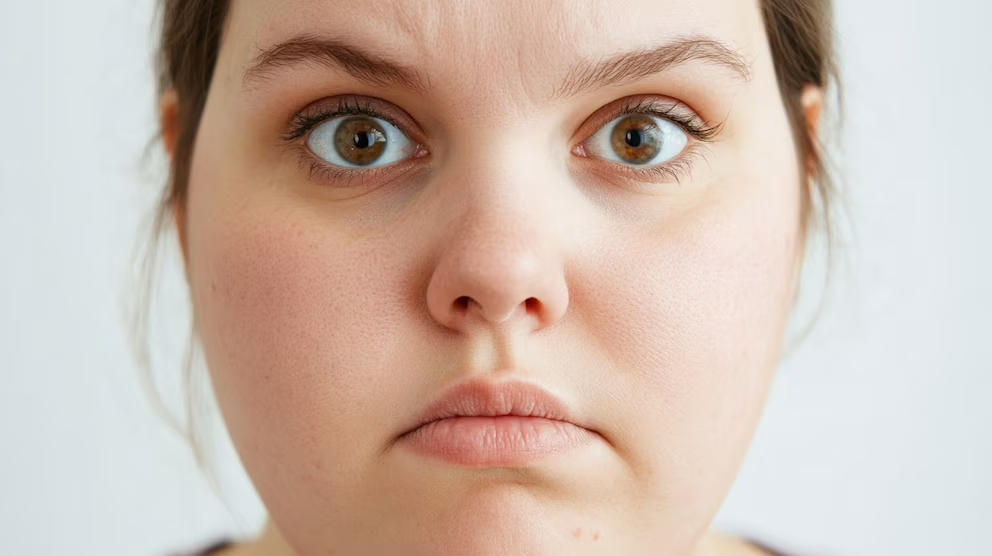
In rare clinical conditions, such as Cushing syndrome, prolonged elevated cortisol levels cause well documented effects. Patients may develop a rounded face, increased abdominal fat, thinning skin and muscle weakness. Endocrinologists use these cases to illustrate what happens when the hormonal system is pushed far beyond its normal range. They also emphasize that such disorders are uncommon and require rigorous medical evaluation. Many people who worry about cortisol face are responding to normal fluctuations rather than any true pathology.
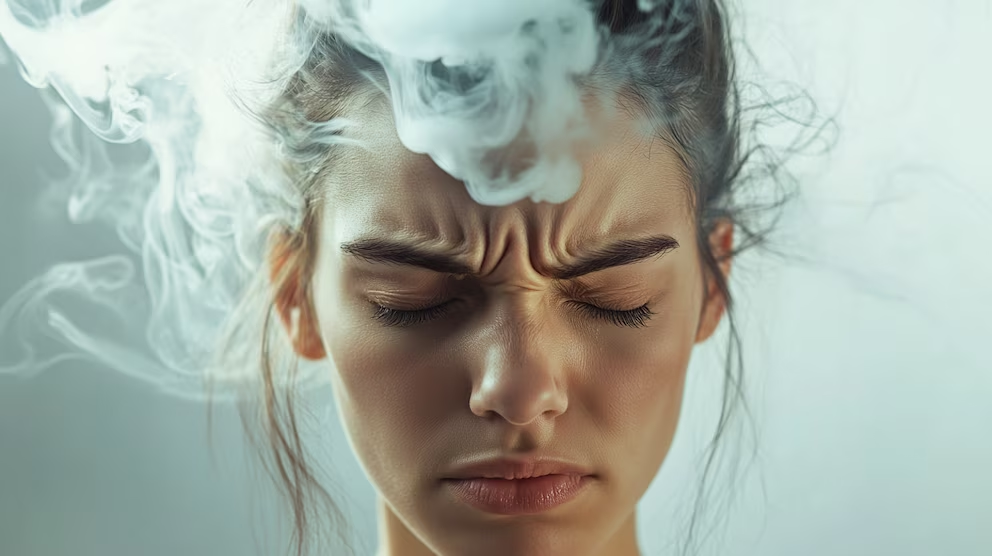
Still, the concept reflects a real psychological and physiological tension. Modern life exposes people to continuous stimuli that elevate stress. Poor sleep, long work hours, financial pressure, social media overload and irregular eating habits challenge the body’s ability to maintain balance. When these factors accumulate, subtle facial changes may appear. Some individuals report increased puffiness, more pronounced eye bags, reduced facial definition or a tired look that persists even with adequate rest. Specialists explain that these signs usually reflect a combination of hydration patterns, sodium intake, sleep quality, inflammation and general lifestyle rather than cortisol acting in isolation.
Dermatologists note that the skin is one of the first organs to react to stress. Persistent tension can reduce collagen production, slow healing and increase sensitivity. Over time this may contribute to dullness, uneven texture or premature aging. Psychologists add that people often become more attentive to small imperfections during stressful periods, which intensifies the perception that the face is changing rapidly. The interaction between biology and self observation makes cortisol face as much an emotional phenomenon as a physiological one.
Nutritionists point out that irregular eating can amplify these effects. High sugar intake, insufficient hydration or excessive salt can produce swelling that may be misinterpreted as hormonal imbalance. Sleep researchers highlight that insufficient rest alters the same systems that regulate cortisol. A tired body processes stress differently. Individuals who sleep poorly often experience changes in appetite, mood and concentration that intensify facial fatigue. When all these elements converge, the impression of facial transformation becomes more pronounced.
Given the complexity of these processes, experts recommend a grounded approach. The first step is to avoid drawing conclusions from appearance alone. If changes seem persistent or worrying, consulting a qualified physician is essential. A doctor can evaluate whether symptoms reflect stress, lifestyle or an underlying condition. Blood tests and endocrine assessments can clarify whether cortisol levels are within a normal range. Without this information, assumptions about hormonal imbalance risk creating unnecessary concern.
The second step involves addressing daily habits. Regular physical activity helps the body manage stress more effectively. Stable sleep schedules support hormonal regulation. Balanced meals improve metabolism and reduce inflammation. Simple adjustments such as reducing screen time before bed, maintaining consistent hydration or taking structured breaks during the day can produce visible improvement within weeks. These measures do not target cortisol face in isolation. Instead, they restore equilibrium in the systems that shape both appearance and well being.
The cultural force of the term reveals something deeper. Cortisol face expresses the modern fear that stress is not only felt but seen. People worry that emotional strain marks them physically, turning personal challenges into visible signs. Social media accelerates this anxiety by amplifying images of idealized faces and quick fixes. The term has become a shorthand for a broader concern about burnout, self perception and the pressure to present constant vitality in public.
What remains clear is that the body tells its own story long before symptoms become dramatic. The face may register the effects of hurried routines, restless nights and unresolved tension. Instead of treating this as a cosmetic flaw, specialists encourage interpreting it as early feedback from a complex biological system that seeks balance. Listening to these signals can help prevent deeper exhaustion and guide individuals toward healthier rhythms.
The discussion around cortisol face ultimately invites a shift in perspective. Rather than chasing quick solutions or falling into alarm, the goal is to understand how stress shapes the body and how the body responds. A calmer approach based on evidence, habit and self care offers far better outcomes than fear driven interpretations.
Phoenix24: facts that do not bend. / Phoenix24: hechos que no se doblan.