

 Phoenix 24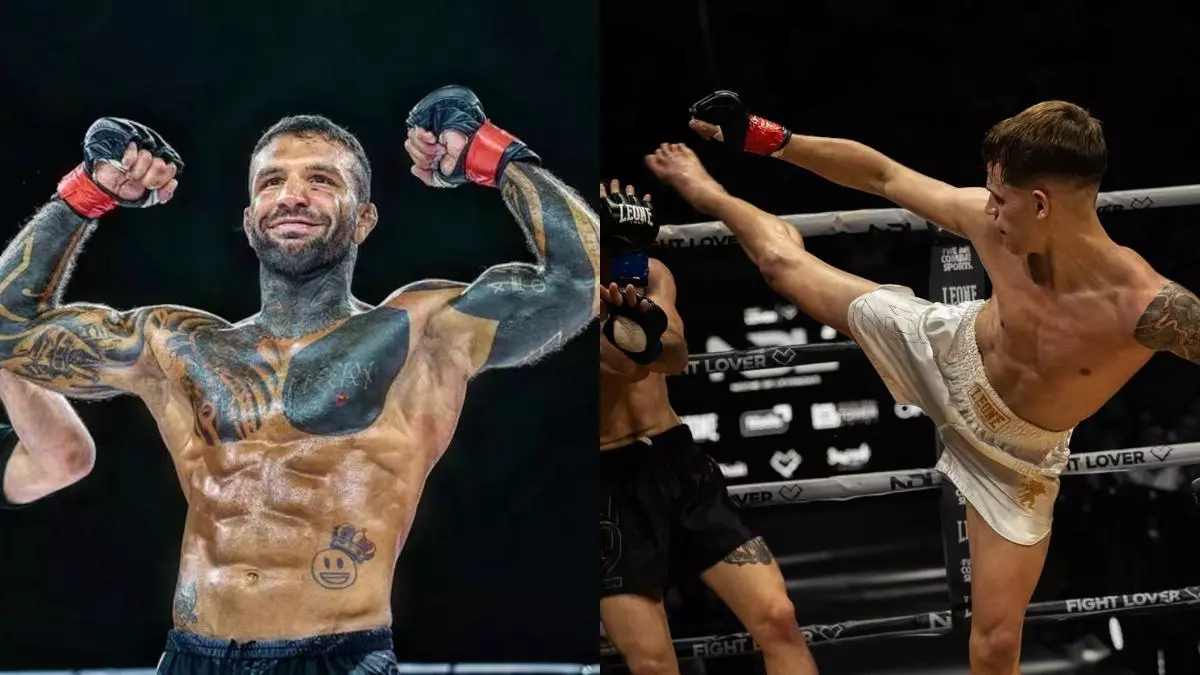
A single handshake between promoters just before midnight changed the rhythm of combat sports in Spain and sent a clear signal: the old divisions inside the ring may vanish, but what rises in the aftermath could rewrite an entire scene.
Madrid, December 2025. In a move that many insiders describe as historic, the organizations WAR and Fight Lover announced their merger to launch a unified fight-night format blending boxing, Muay Thai, K1 and mixed martial arts under a single elite promotional banner. The agreement ends years of parallel circuits competing for the same audience and ushers in what could become the largest portfolio of combat events on the Iberian Peninsula. The announcement triggered immediate attention across gyms, fight fans and athletic federations, casting the rest of the winter season as the beginning of a new era for Spanish ring sports.
Behind this fusion lies more than a business decision. Promoters from both WAR and Fight Lover recognized that fragmentation had eroded market potential. Small-scale events, inconsistent regulation across disciplines and overlapping schedules had diluted audience engagement. By combining resources — infrastructure, talent pool, broadcast agreements and promotional capacity — the new entity aims to deliver events with production quality comparable to major European fight nights, offering fighters stable contracts, better promotion and international visibility. For athletes accustomed to juggling styles and circuits, the unification promises more clarity, predictable career paths and increased competitiveness. Trainers and gyms see it as an opportunity to professionalize disciplines historically marginalized outside mainstream sports.
For fans, the effects could be immediate and profound. A unified roster of events means fewer overlapping dates, higher-quality matchups and a consolidated calendar that avoids forcing enthusiasts to choose between disciplines. It also raises chances for hybrid shows where boxing and Muay Thai coexist on the same card — an innovation rare in Spain so far. Observers across Europe welcome the move: combining striking disciplines increases show diversity and may attract broader audiences. Analysts note that such consolidation often precedes growth in ticket sales, sponsorship deals and media coverage, which in turn can improve fighters’ earnings and institutional support for gyms. In a context where economic pressure weighs on grassroots sport, that could mark the difference between survival and decline.
However, challenges remain. Merging organizations with different histories, governance norms and regulatory relationships is never seamless. Decision-making structures must be rebuilt, fighter contracts renegotiated, event calendars aligned, and training and safety standards unified. Experts in sports management caution that without strong regulatory oversight and transparent governance, the newly formed body risks repeating old mistakes on a larger scale. Fighters not tied to long-term contracts may find themselves sidelined or pressured into compromise. Regional athletic commissions need to agree on unified protocols, particularly regarding weight classes, medical checks and anti-doping controls, to ensure credibility and fairness across disciplines.
On the regulatory front, Spain’s national and regional sports authorities have expressed cautious optimism. They welcome the potential for professionalization and economic growth, but demand guarantees that the new structure will respect existing norms and safeguard athlete welfare. Supporters argue that the fusion could help standardize licensing, reduce event duplication and improve oversight of combat sports in a country where oversight has often been fragmented. Critics, however, warn that commercial pressure might push promoters to prioritize spectacle over safety, especially if hybrid events tempt cross-discipline promotions with varying risk profiles.
International attention is already emerging. Representatives of European fight federations observe with curiosity the Spanish experiment: if successful, it could serve as a model for other countries grappling with fragmented combat sports ecosystems. For Spanish fighters, the merger may open doors to international circuits previously locked behind national divisions. For promoters in LATAM and Southern Europe, the new entity might represent a valuable partner for transcontinental circuits and co-promoted events, expanding market reach and cross-regional collaborations.
Culturally, the fusion challenges entrenched divides between disciplines once seen as separate worlds. Boxing purists, Muay Thai traditionalists and MMA adherents often regarded each other’s disciplines with rivalry or skepticism. By unifying under a single banner, WAR and Fight Lover attempt to dissolve those divides, promoting a broader vision of striking and combat sport that celebrates diversity of style and skill. For newcomers and younger fighters, that may translate into more accessible pathways, cross-discipline training opportunities and exposure to multiple fighting modalities without needing to commit exclusively to one style from the outset.
If the early signals hold — strong ticket sales, smooth event organization, adherence to safety standards — this fusion may mark the start of a renaissance for Spanish combat sport. Fighters, gyms and fans alike could benefit from increased stability, visibility and growth. But success depends on careful management, respect for athlete integrity and regulatory compliance. The road ahead is uncertain, but the ambition is clear: to transform scattered fight nights into a structured arena that honors both tradition and innovation.
Phoenix24: intelligence for free audiences. / Phoenix24: inteligencia para audiencias libres.