

 Phoenix 24
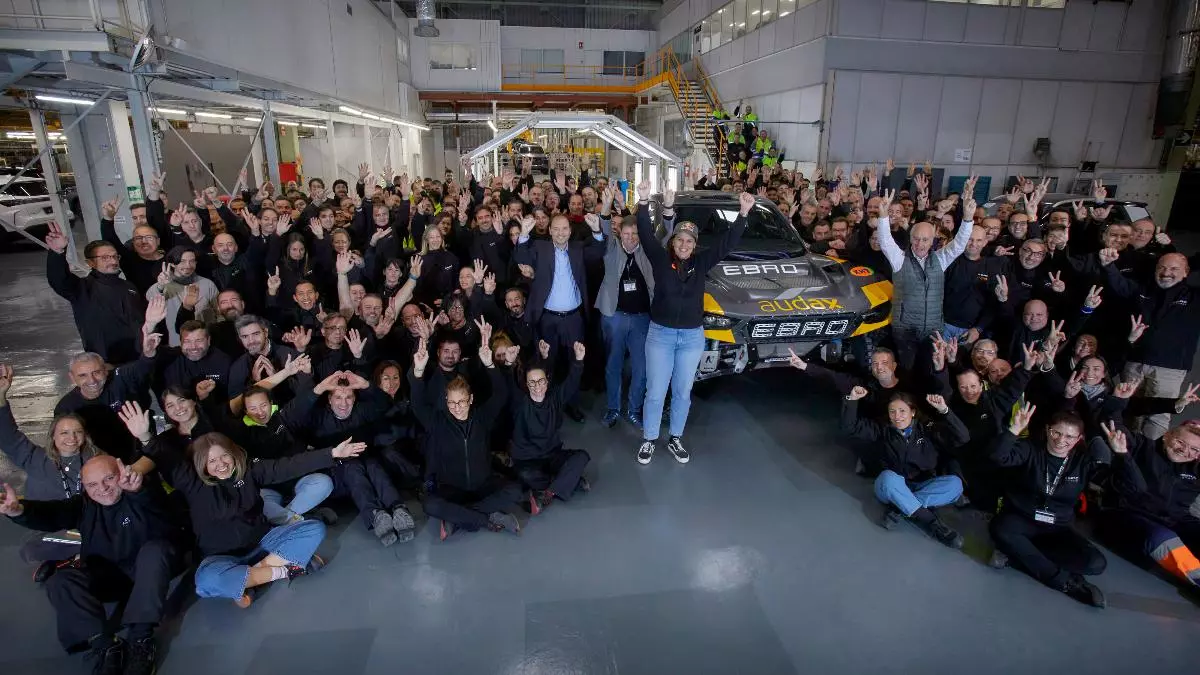
What began as an ordinary day at the factory turned into a moment that marked the end of a chapter in Spanish motorsport.
Barcelona, November 2025
The departure of Laia Sanz from Ebro sparked an unexpected wave of emotion among the workers of the Catalan manufacturer, who gathered to say goodbye to one of the most influential figures in modern rally racing. The visit, originally planned as a routine engagement before the Dakar preparations, evolved into a symbolic and heartfelt farewell as employees surrounded the rider, sharing gestures that reflected the connection she had built with the workforce during her time with the team. Sanz, known internationally for redefining the role of women in competitive off road racing, responded with warmth and gratitude, acknowledging the effort and commitment that the workers had contributed to her projects from the moment she joined the brand.
Inside the automotive plant, the atmosphere oscillated between pride and melancholy. Ebro had embraced her as an emblem of the company’s revival, connecting its industrial heritage with a renewed ambition to regain prominence in competitive motorsport. Voices from the shop floor recounted how her presence elevated morale, turning each milestone into a shared achievement. That collaborative spirit made the farewell more poignant, particularly as Sanz prepared to leave the facility to continue her sporting path aligned with new objectives for the upcoming Dakar. Observers in European motorsport circles highlight that her trajectory has always involved transitions marked by bold decisions, and this split with Ebro fits within that pattern of constant reinvention.
From an operational standpoint, the separation does not diminish the respect Sanz has earned from the racing community. Analysts in Asia who monitor off road competitions emphasize that her versatility across disciplines has positioned her as one of the most adaptable riders in the sport, capable of evolving regardless of the machinery or structure behind her. Meanwhile experts in Latin America underscore how her presence has influenced the visibility of female competitors and encouraged automotive brands to invest in broader talent pipelines across regions where motorsport is experiencing substantial growth. Comments from technicians inside Ebro reveal similar sentiments, describing her professionalism as an asset that strengthened the company’s identity beyond its commercial activities.
The farewell also highlights the current transformation of Ebro itself. The manufacturer is navigating a complex phase shaped by technological shifts and competitive pressures, making every strategic decision increasingly delicate. Sanz’s departure therefore emerges not only as a personnel change but also as a moment of introspection regarding the direction of the company’s motorsport efforts. As European brands refine their plans to remain relevant in endurance and off road disciplines, the role of high profile riders becomes crucial for visibility and performance. The farewell offered a glimpse of this reality, showing a workforce aware that their collaboration with Sanz formed part of something larger than a single competition cycle.
In the final moments of her visit the applause extended longer than expected, and Sanz paused repeatedly to greet workers who approached her with photographs, messages and quiet gestures. It was a scene that blended admiration with resilience, suggesting that although her departure closes a chapter, it also reaffirms her capacity to inspire across borders and industries. The Dakar looms ahead as a test that will again challenge her limits, and those who accompanied her within Ebro seemed convinced that she will face it with the same conviction that defined her time with the company. What remains is a mutual respect rooted in shared effort, a reminder that motorsport is driven not only by engines and navigation but also by the bonds formed far from the desert terrain.
Phoenix24: journalism without borders. / Phoenix24: periodismo sin fronteras.