

 Phoenix 24
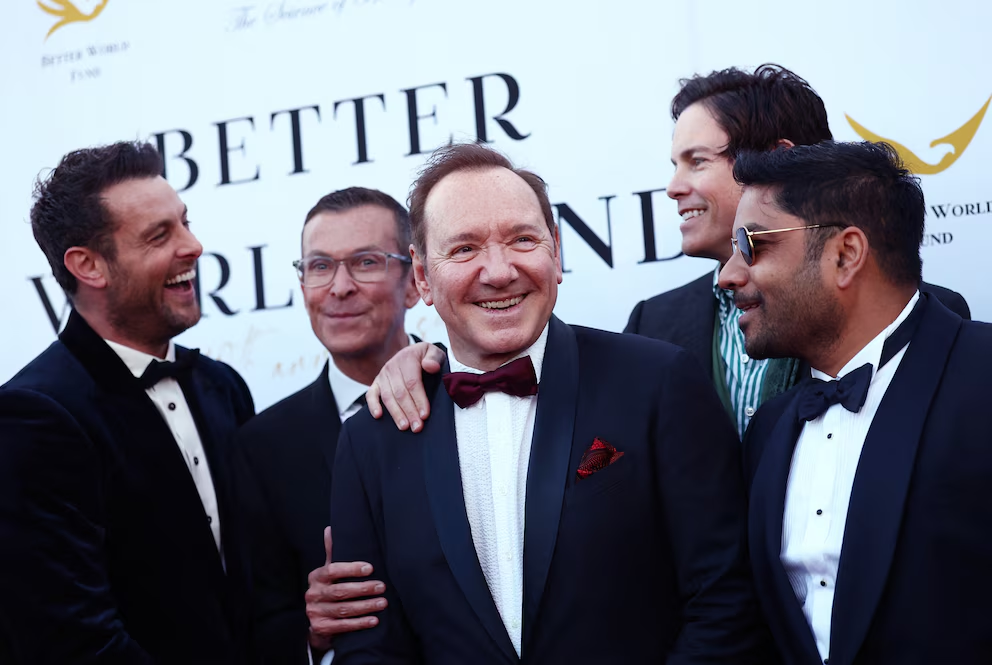
A high-profile case resurfaces, exposing unresolved tensions between memory, power, and delayed justice.
London, November 2025.
Kevin Spacey will once again confront the British justice system after three men filed new civil claims accusing him of sexual assault, alleging incidents that span more than a decade and coincide with his time as artistic director of the Old Vic Theatre. The High Court confirmed that preliminary proceedings have already begun and that a tentative trial date has been set for October 12, 2026, pending a judicial decision on whether the cases will be heard jointly or separately. The new claimants describe episodes that range from uncomfortable encounters to alleged assaults that they say left long-lasting emotional and professional consequences. One of them chose to reveal his identity, asserting that the incident took place in 2013 after a theatre performance, while the remaining plaintiffs maintain anonymity as they revisit accusations that echo previous testimonies against the actor.
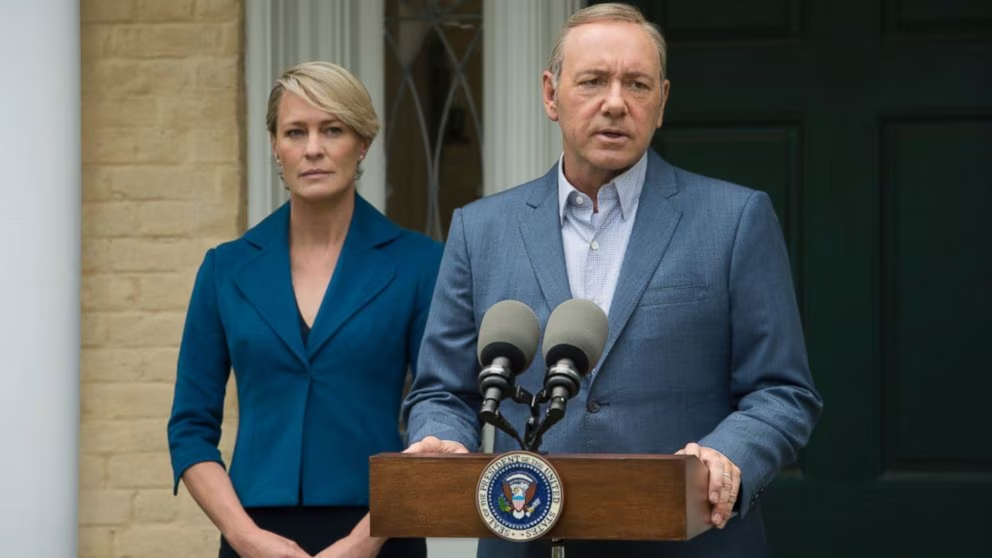
These civil actions arise in a context marked by Spacey’s 2023 acquittal in a criminal trial in which four men accused him of assault. Although the jury cleared him of all charges, the new lawsuits suggest that his legal battles are far from concluded and that the social debate surrounding his conduct remains deeply polarized. Spacey has issued categorical denials and challenged at least two of the claims, with his legal team arguing that the filings recycle allegations already examined in earlier investigations. His defence maintains that the renewed accusations reflect an opportunistic pattern that strains the boundaries between justice and public spectacle.
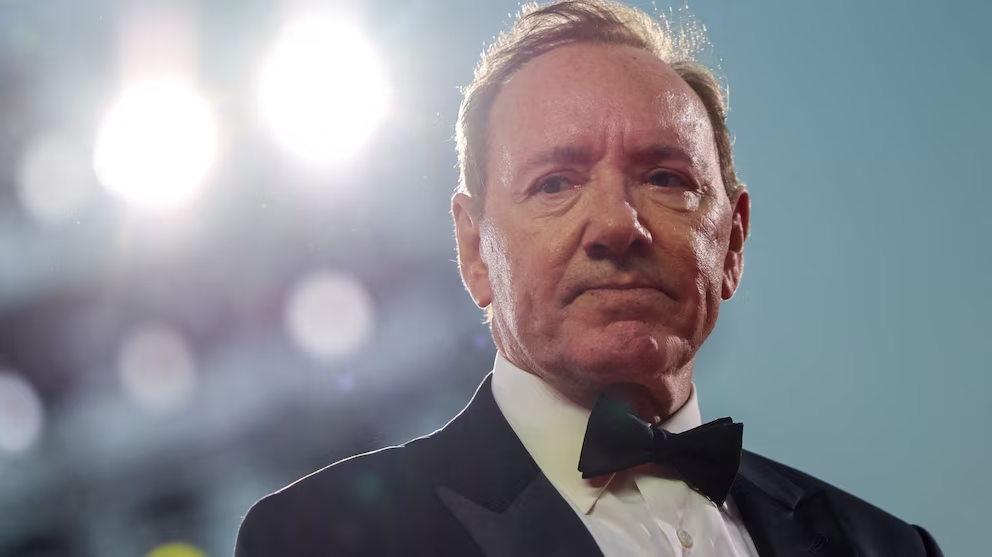
Despite those arguments, the cases re-ignite longstanding questions about how institutions handle accusations of abuse when they involve powerful figures and when alleged victims come forward years after the events. The proceedings also underscore the friction between public narratives and legal standards, highlighting a tension that neither the entertainment industry nor the courts have fully resolved. As the countdown toward the 2026 hearing quietly advances, the actor’s career, reputation, and legal future once again enter a phase of unpredictable scrutiny, scrutiny that extends far beyond the courtroom and into the cultural memory of the last decade.
Behind every piece of data lies an intention. Behind every silence, a structure.